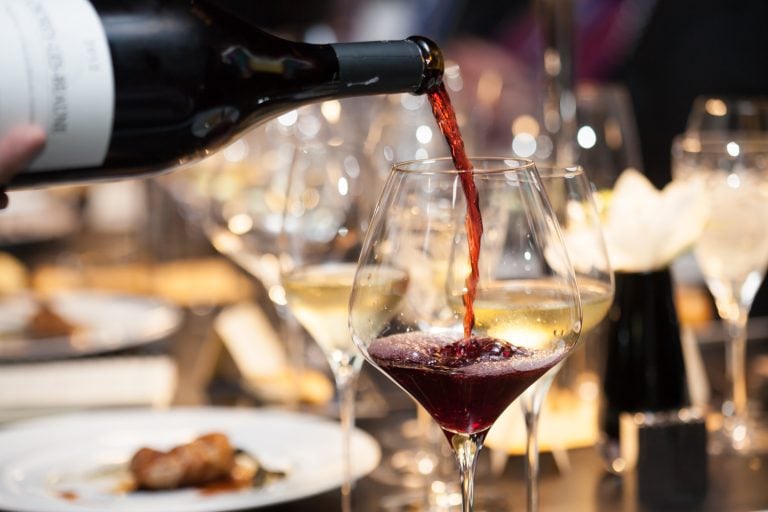
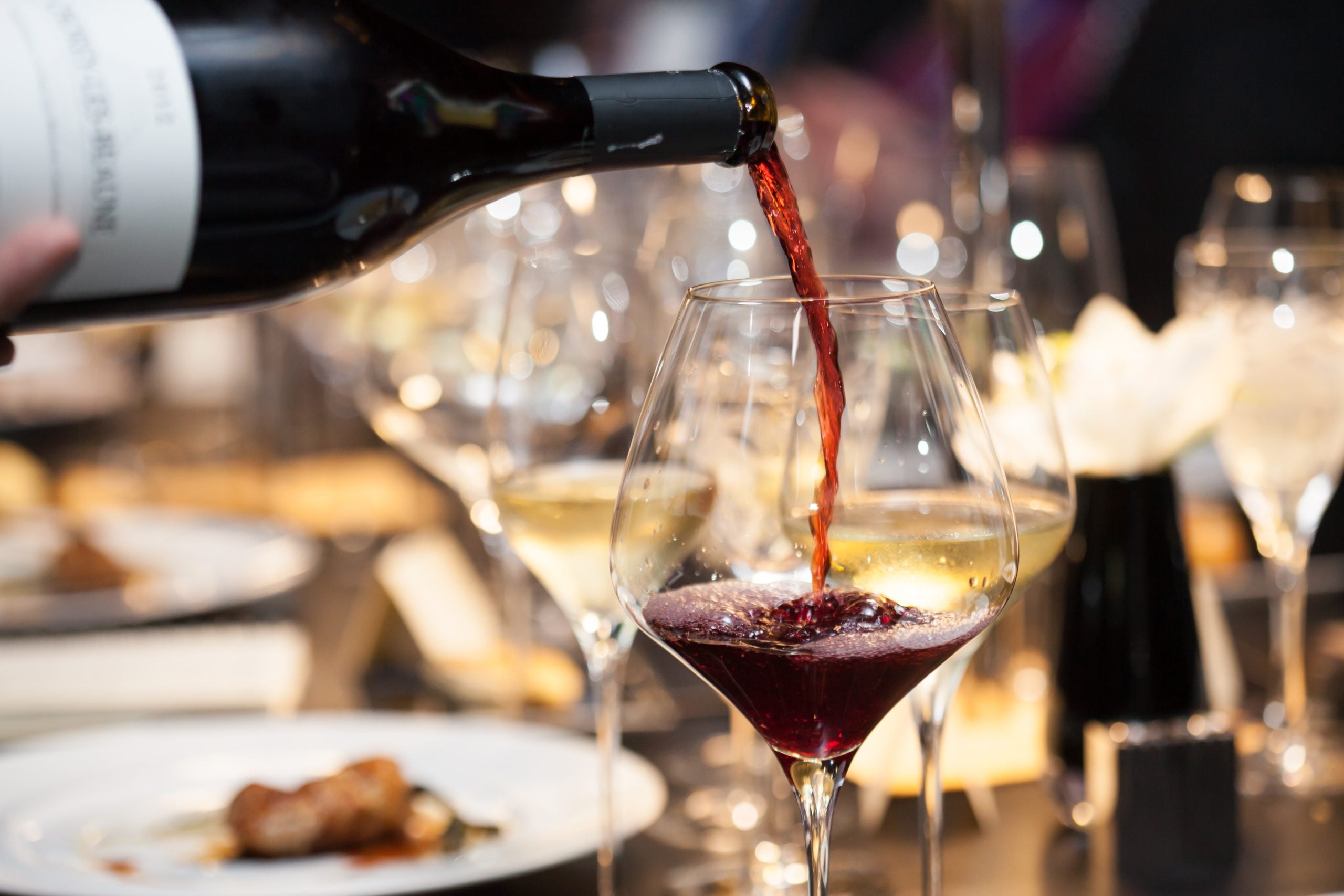
The bottle of wine has disappeared from the table. The old habit has been lost, when a daily glass of wine was seen as a refreshing addition to one’s diet. In short, the era of the glass of red wine that our parents, grandparents and great-grandparents always enjoyed with their meals is over. But the truth is that people are drinking less in general, beyond the domestic sphere. The decline in consumption is widespread. It is affecting every branch of the sector, sparing no part of the catering industry, whatever its price range. And it seems difficult to pinpoint a single, clear-cut cause for this downward trend. Price remains the prime suspect, as do cultural shifts and recent public awareness campaigns, which have highlighted the health risks and the penalties associated with breathalyser checks – factors sufficient to have at least a deterrent effect, even on those who had never before turned down a glass of wine in the company of friends.
However, some restaurateurs have found a stopgap solution to the "wine crisis" by lowering their mark-up, reducing the distributor’s margin, or putting together an attractive by-the-glass offering. These business measures and sales strategies can result in a wine list offering surprising value for money, more relevant than ever to the current situation and therefore worthy of mention, wherever it is found, from the north to the south of Italy.
In pursuit of an explanation
If figures for the wine sector are on the decline, is it down to prices or to contemporary culture, which is reshaping consumer habits? On this point, with studies and statistics constantly contradicting one another, there is disagreement, even amongst experts. Certainly, in Italy, income growth rates are struggling to keep pace with what has become perpetual inflation, not to mention the speculative nature of the wine sector, given that certain labels impose genuine price barriers that end up excluding many enthusiasts. Indeed, as financial analyst Marco Baccaglio writes in Intravino, whilst, for example, the price of a mid-range bottle of Barbaresco has risen by 36% over the last twenty years, wages have grown by a mere 4%. It is clear, therefore, that it is now difficult to afford various selections, including those we could have afforded in the past.
These figures would also explain the success of the world of cheaper natural wines, available at affordable prices. «Those wines», says Andrea Gori, founder of the aforementioned wine blog, «even if they are the most fashionable productions, cost little, less than “conventional” labels. For €15 you can take home a pet-nat (sparkling wine produced using the ancestral method), whereas for the same price you’d be tasting perfectly ordinary conventional wines, not particularly interesting or enjoyable, which won’t make your evening». And among industry insiders, he wouldn’t be the only one to think so, according to Alessandro Pipero, owner of the eponymous Roman fine-dining restaurant, who, when pressed on the subject, replied bluntly: «In your opinion, have natural wines become so widespread because they’re good, or because they cost 50% less than non-natural ones? If they cost as much as certain fine Sangiovese wines, nobody would order them. Let’s be clear: wines of the calibre of Le Pergole Torte or Monfortino aren’t drunk regularly simply because of their high price tag, given that their quality is beyond question».
A balance between convenience and well-being
Those who do not "fall back" on the more convenient, natural choice – which inspires the offerings of many city wine bars – turn to mixology, sometimes an even more accessible option, so as not to miss out on alcoholic drinks. But according to the experts themselves, in such cases it is not merely a question of cost, but also of taste and cultural – and other – choices that go beyond strictly economic considerations. Pipero doesn’t beat about the bush, taking a hard line with those who consume without full awareness: «Perhaps they do without wine, but they drink more spirits. If a spritz costs between 8 and 15 euros, can we really say that within the same price range you could get a nice glass of wine? So it’s not necessarily the case that a cocktail is a money-saving option, nor is it necessarily a healthy one. There is a lack of general knowledge. Ultimately, compared to the spritz, the wine the farmers used to drink—the sort our grandparents drank—was healthier».
As Pascal Tinari, maître D’ and sommelier at the Villa Maiella restaurant, points out, the growing focus on wellbeing and the obsessive, contemporary attention to the body are fuelling another trend, running parallel to the alcoholic one: the no-low alcohol formula. A growing market, among young people and non-drinkers, as well as among those who do not intend to drink for fear of exceeding the limits permitted by the driving laws. An offering which, at a time of business difficulty, whilst the industry is on the hunt for unsaturated markets, is causing a little concern for all parties involved. At present, however, although it has caught the eye of various wine giants, it is not yet a genuine alternative capable of cannibalising the beverage sector, given that sales figures remain low in relation to overall market flows.
The mark-up rule
For many restaurateurs, the profit margin generally comes from wine sales. This is partly because food sales barely manage to break even. Wine lists and by-the-glass options are therefore designed to generate as much revenue as possible. The problem is that in recent years, the mark-up on each bottle has increased rather than decreased. And sometimes the mark-up on certain à la carte bottles is so prohibitive that it ends up discouraging the customer, who instead chooses to drink by the glass or as part of the set pairing menu, solutions that are currently more advantageous. Among the guidelines that guide the business owner, one principle reigns supreme: the higher the purchase price, the lower the mark-up percentage. That said, each establishment sets its own pricing policy, which in any case must include 22% VAT. The level of mark-ups therefore varies from place to place, with some establishments marking up excessively and others not; mark-ups range from 30% to 100%. Mind you, marking up the purchase price is perfectly legitimate. However, it must always be justified by a service at the table that is up to standard; in the words of IT sommelier Gori: «the right glass, for a wine poured at the correct temperature, by qualified staff».
Distributors as creditors?
Clearly, it is not only the owner of the catering business who profits from each bottle; it is everyone involved in the "supply chain", from the moment the wine is produced to the moment it is served to the customer. The distributor must also make a profit, and their share of the revenue is reflected in the final bill: «‘In Italy», continues Gori, «the distribution chain really does drive up the price. It usually happens that the distributor asks the producer for a 30% discount on the selection to be distributed, with the aim of generating their own “margin” on the quantity distributed by imposing the same percentage on the restaurateur. A significant intermediary role that allows the distribution sector to survive by protecting itself from insolvent or late-paying restaurateurs, but one that the industry is struggling to sustain». At the same time, the distributor’s role as a link between viticulture and the restaurant industry is crucial for the system to keep running: «Distribution is also fundamental because it often acts as a bank, guaranteeing the producer immediate payment for the bottles, which the restaurateur will only pay for months later». From this perspective, the intermediary cushions payment delays that would risk further paralysing the market. Nor should we overlook the situation where a restaurant owner approaches the distributor with the aim of having their wine list built from scratch. This is a common scenario in our country, bearing in mind that in recent years people from outside the wine industry have invested in it, attracted primarily by its speculative potential. Andrea Gori himself makes no secret of this: «The average consumer’s knowledge of wine has increased, and at times they know more than the professional. In such cases, it is the distributors who handle both the supply and the consultancy, guiding restaurateurs in their choice of wines to serve and thereby compensating for their lack of expertise and creativity. When this happens, it is not uncommon for them to want to include wines they distribute on the list».
No middleman
In Italy, some establishments manage to offer a range of options where customers do not perceive the mark-up as excessive. Among these is Venti Vino, a wine bar in Perugia that serves glasses from €4 upwards, featuring local, Piedmontese and French wines, particularly from the natural and more "artisanal" sectors. How is this possible? At the helm, Sara Boriosi and Giovanni Corazzol keep purchase prices down by working directly with the wineries, thanks to the ongoing research carried out together with their partners, who travel around the country tasting wines tirelessly. So, no agents, sales representatives or distributors applying their own commission fees. Here, then, is where you can drink on a budget and enjoy cicchetti as if you were in a Venetian bacaro.
“Aggressive” marketing
As well as being a journalist and sommelier, Gori is also a restaurateur. And a shrewd one at that. Together with his brother Paolo, he has turned the family trattoria, Da Burde, into a cornerstone of Italian gastronomy. Above all, it is a temple of wine that draws visitors from far and wide. Anyone who steps through the door of this Florentine establishment, surrounded by shelves full of labels, is won over by the myriad of wine pairings—whether by the glass or the bottle—that find their way to the table even before they’ve sat down. As a result, you practically feel guilty for not ordering wine. An enticing, almost aggressive marketing strategy, which has become the most effective remedy against the current downturn.
Managers have had to come up with this approach to encourage alcohol consumption at lunch, a meal at which people are now more reluctant to have a drink. «Anyone who comes in with the idea of not having even a single glass», says Andrea, «eventually gives in, subjected to a sort of psychological pressure, starting with the fact that you have to explicitly tell the staff whether or not you intend to drink the bottle we place on the tables. With blackboards and sheets of paper lying about, and the selection available at the bar (including old vintages of red), priced at wine shop rates, I’ve come up with all sorts of ideas to make the sales. Having the freedom of an owner in running the business, I make decisions that, from the outside, seem unwise from a business perspective. Something that, for now, has allowed us to avoid any decline in consumption».
Subtle price markups on high-profile labels
Oscar Mazzoleni’s secret, on the other hand, is to focus on “quantity” without being influenced by the market value of the wine – one of the reasons why certain bottles might remain in the cellar for a long time. In Bergamo, the owner of Al Carroponte rotates his 3,300 wines – predominantly from France and Piedmont, with a focus on Champagne, Burgundy and Barolo — through an appealing by-the-glass and à la carte selection, sourcing both from national distributors and directly from winegrowers, prioritising purchase price even in the case of fine wines that would otherwise risk gathering dust as unsold stock: «Many restaurateurs operate with mark-ups of 300%, which aren’t even seen in the hotel industry. It’s difficult to open a bottle worth 50 or 100 and charge 400 for it. Whereas I sell it for 180. Even when serving by the glass, smart pricing means offering a selection of glasses at 10 euros each for wines bought at 30 euros, rather than 13 euros each. Lower mark-ups encourage the customer to spend more money, as they might decide to have two glasses instead of one. This allows us, within a higher price bracket, to make a profit».
The customer comes first
Like others, Mitja Sirk, a Friuli winemaker and sommelier at his family’s restaurant La Subida, prefers to bear the cost of transporting the wine himself, bypassing any middlemen, in order to foster personal relationships with individual producers and ensure that diners enjoy drinks at "reasonable" prices. The only way to keep the final bill low and «maintain value for money». Having grown up keeping the empty bottles of his most satisfied customers and making wine in the amphorae gifted to him by Josko Gravner, he always puts the customer’s needs first, even if it means serving wines that don’t pair particularly well with the dishes. Again, to meet demand, he has devised a six-course wine pairing for €55, reflecting the diverse facets of the local geology and microclimate, ranging from the freshest wine, through to the macerated variety, right up to the age-worthy label. And to think that, if it were up to him, he would offer guests only the wine list, convinced that food pairing is overrated and, in many establishments, determined by choices that ensure the highest profit margin; conversely, the evolution in the glass of the bottle ordered throughout the meal would have a different charm. But as he repeatedly emphasises, «who are we to tell the customer what to drink?»
 Wine is changing its place at the table
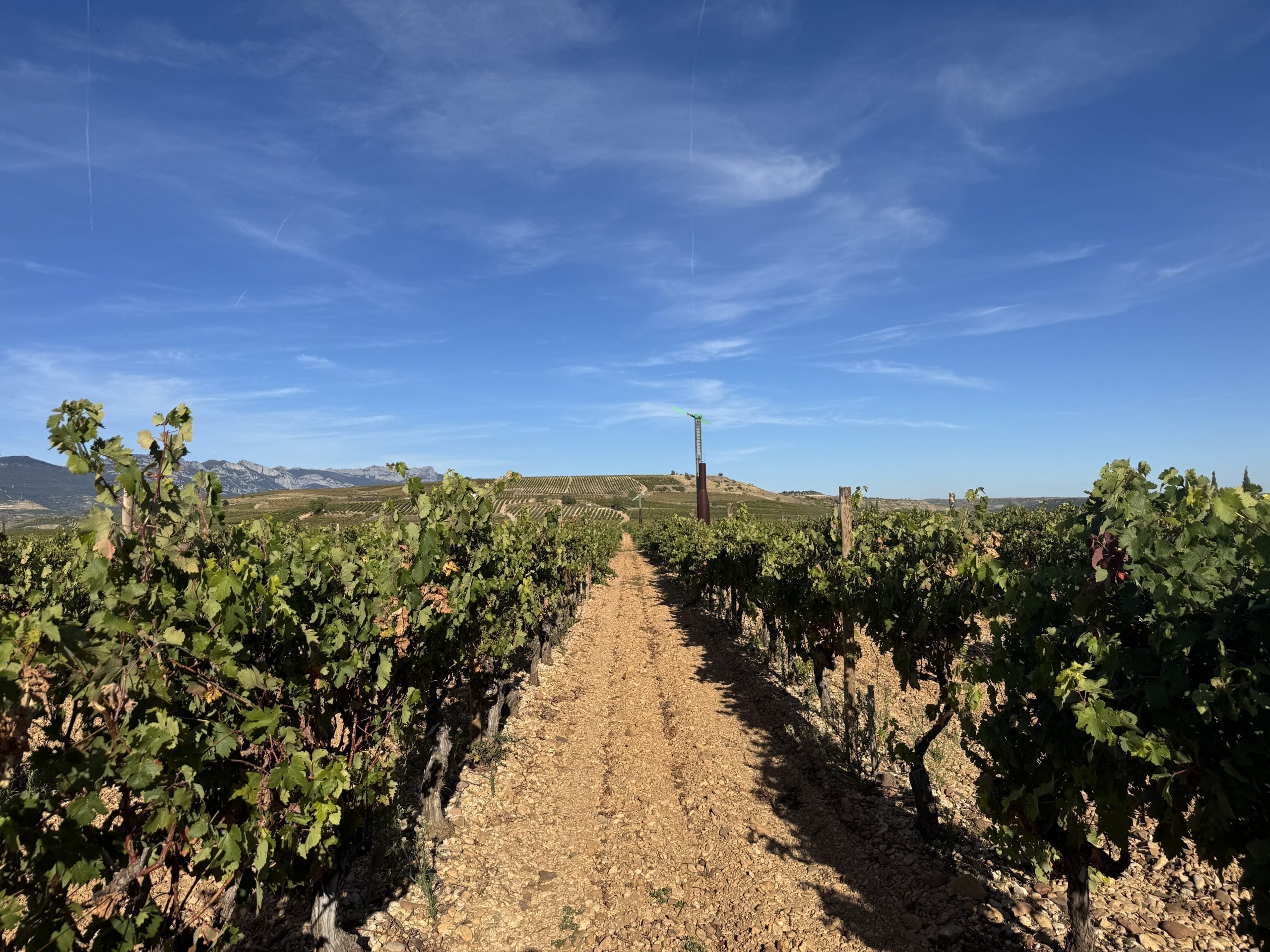 The Rioja you don’t expect: whites that keep pace with the reds
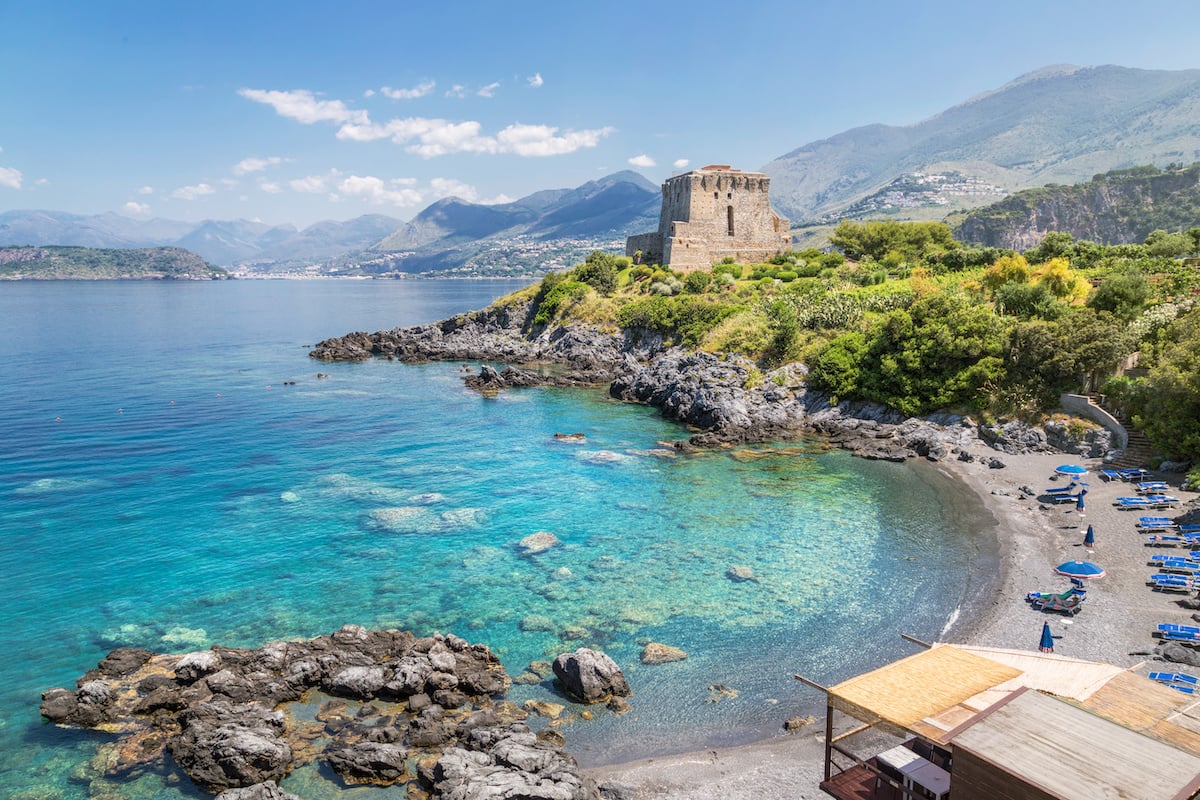 The soul of Maratea amid crystal clear sea, monuments and breathtaking views
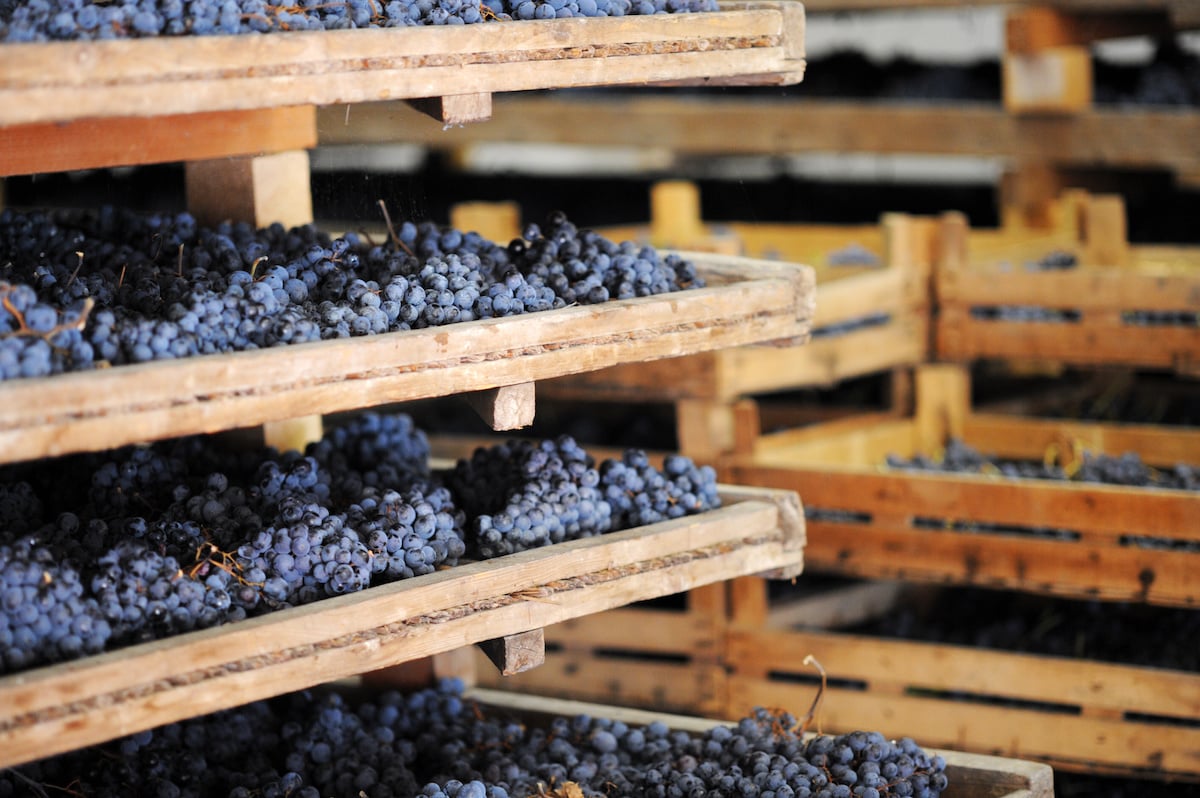 How Amarone changes its skin
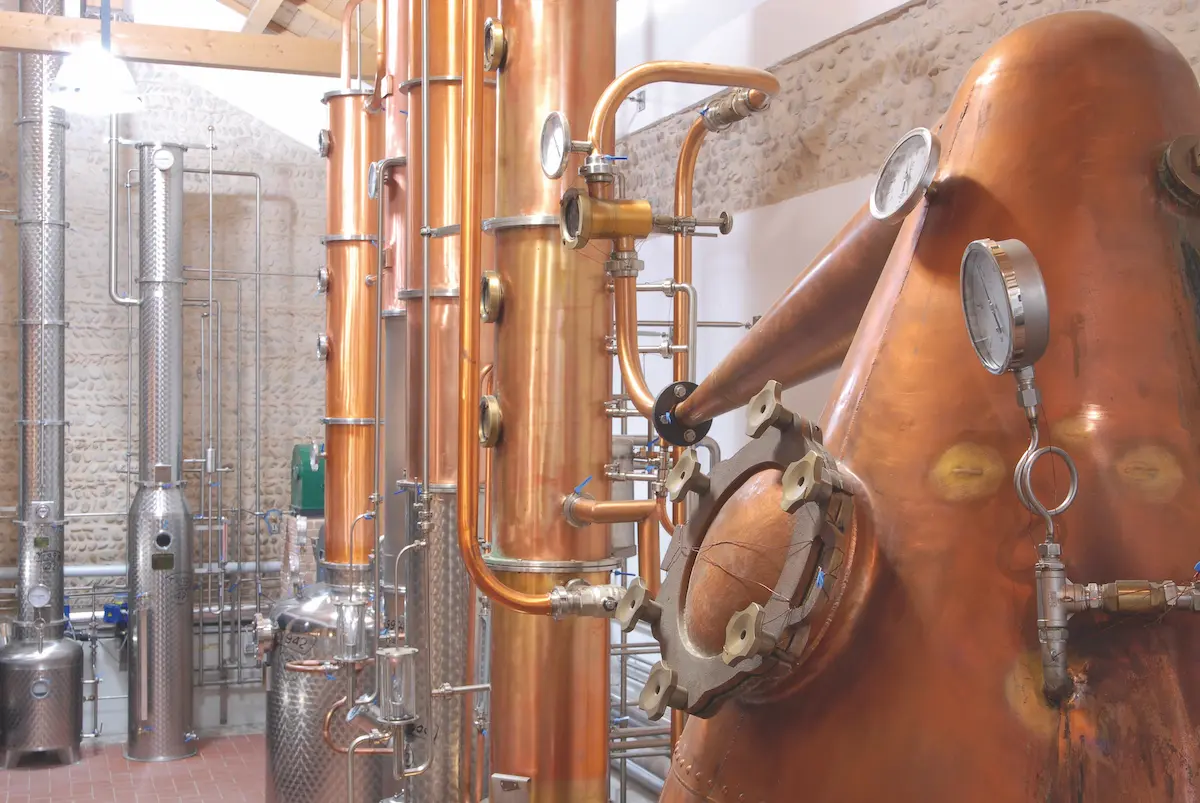 From the distillery to the global market: the numbers and identity of an Italian brand