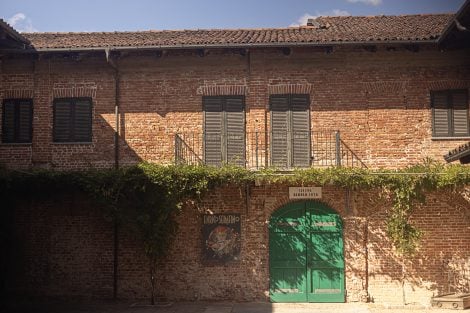
It is in the Natisone valleys, in the Udine area, that the gubana (gubanca in Slovenian, gubane in Friulian) was born. The regional treat par excellence, it is prepared on special occasions such as Christmas, Easter, weddings or country festivals. The dessert consists of a sweet, long-leavened dough filled with walnuts, raisins, pine nuts, sugar, grappa and lemon peel, with a characteristic snail shell-shape (the name derives from the Slovenian word guba that means ‘fold’). The recipe’s first evidence dates back to 1409, when it was served during a banquet prepared for the visiting Pope Gregory XII in Cividale del Friuli, but it was only in 1990 that the consortium for the gubana brand protection came to life. Its aim is to protect local producers by imposing specific rules and parameters to be followed in the production. A closer relative of this dessert is the smaller gubanetta, with a 7 cm diameter, as well as the Triestine presnitz, a puff pastry shell filled with the same ingredients but shaped into horseshoes.
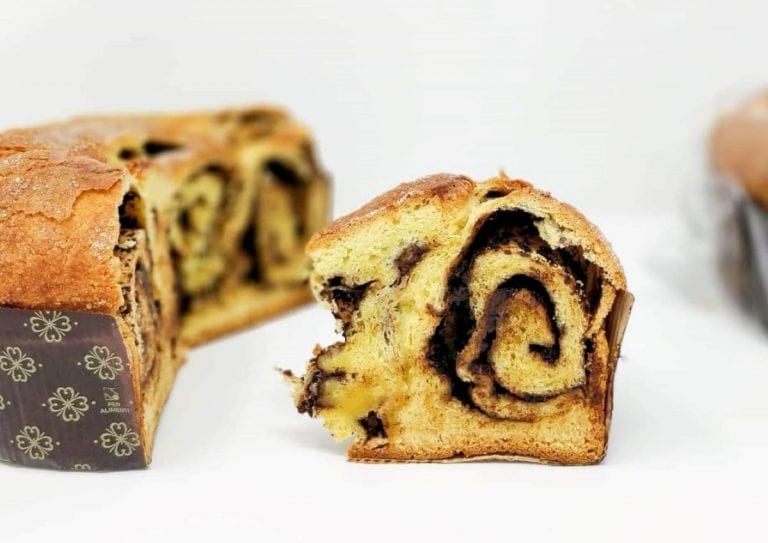
With a peculiar shape and delicious filling, here is the history of the traditional holiday treat from the very north-eastern corner of Italy.
 Wine is changing its place at the table
 The Rioja you don’t expect: whites that keep pace with the reds
 The soul of Maratea amid crystal clear sea, monuments and breathtaking views
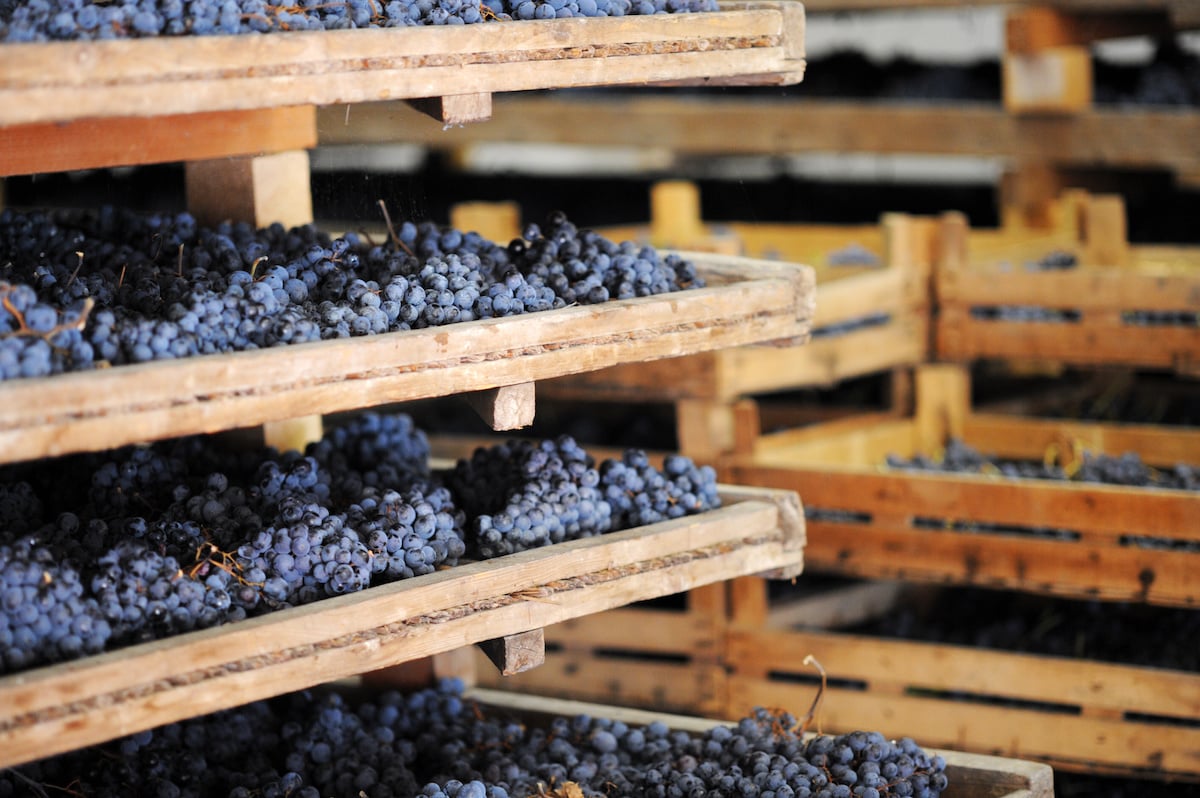 How Amarone changes its skin
 From the distillery to the global market: the numbers and identity of an Italian brand