

"A Italian granita, only for adults." That's how the New York Times titled it a few years ago to introduce the sgroppino, a kind of rather creamy and alcoholic lemon sorbet, traditionally served between courses - especially between fish and meat dishes - or at the end of the meal to cleanse the palate and aid digestion. In Italy today, it is mainly found at long wedding lunches, in rustic trattorias, and in bourgeois restaurants, and it is one of those somewhat faded things that, we bet, will soon become vintage and rediscovered in a few seasons, while on the other side of the ocean it seems to be gaining more and more ground. Indeed, it's the New York Times again bringing up the topic, perhaps due to the upcoming nice weather, by launching its recipe for this preparation that seems to have made its appearance on the aristocratic tables of Venice in the sixteenth century. The American newspaper proposes it as a digestif, dessert, but also as a cocktail. Immediate reactions from readers, especially on social media: some can't wait to try it, while those who have already tried it praise it, some are upset about its improper use as a cocktail, while others wonder about the correct pronunciation.
Long live the sgroppino
Originally known as sgropìn, to denote its Venetian origin, and Italianized over time as sgroppino, it is an alcoholic variation of lemon sorbet, with chilled vodka and prosecco, to which milk or cream is now added to make it softer on the palate, or lemon ice cream is used instead of sorbet. The New York Times recipe is: 3 ounces of good quality sorbet (about 85 grams), half an ounce of vodka, half an ounce of limoncello, 2 ounces of prosecco or sparkling wine, lemon zest to finish. Simply mix the ingredients, optionally with a mixer, and pour them into glasses; to follow the Italian tradition, choose a narrow cup, like a flute, with a straw (perhaps not plastic...). The variations are as many as the imagination offers: you can add a mint leaf as aromatic garnish, change citrus or spirits, or choose different fruits, as in the Bellini Sgroppino that was popular a couple of years ago in New York, made with peach. The common denominator for all is the characteristic consistency. And of course, the obligation to drink it quickly, before it melts and the alcohol separates from the sorbet.
 Wine is changing its place at the table
 The Rioja you don’t expect: whites that keep pace with the reds
 The soul of Maratea amid crystal clear sea, monuments and breathtaking views
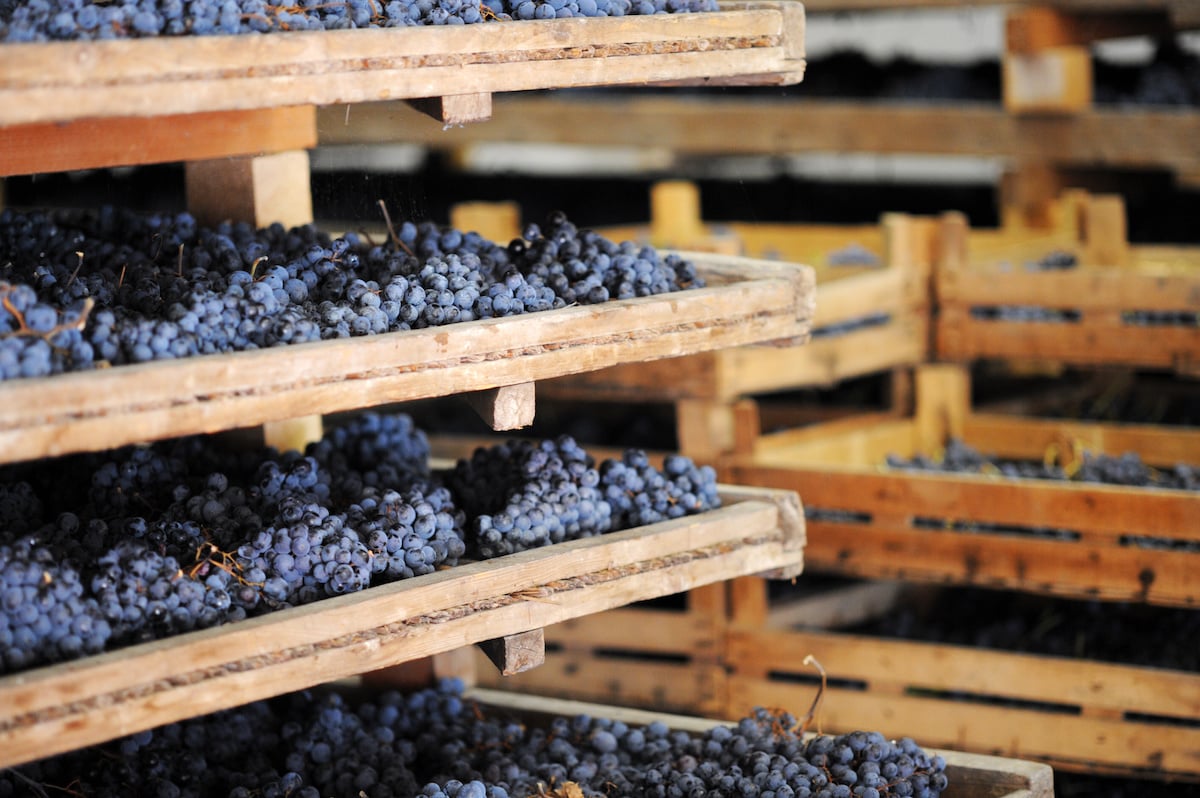 How Amarone changes its skin
 From the distillery to the global market: the numbers and identity of an Italian brand