Origins of Irish Coffee
During the late 1930s and early 1940s, land-based planes lacked sufficient flying range for Atlantic crossings. Foynes, located on the Shannon estuary, was the last port of call on its eastern shore for seaplanes. As a result, Foynes would become one of the biggest civilian airports in Europe during World War II. It was transformed briefly after in the Shannon Airport. Services to New York, Southampton, Montreal, Poole and Lisbon followed, the first non-stop New York service operating on June 22, 1942 in 25 hours 40 minutes. The first Duty-Free shop in the world was opened there in the terminal building, where there was also a restaurant and a coffee shop.
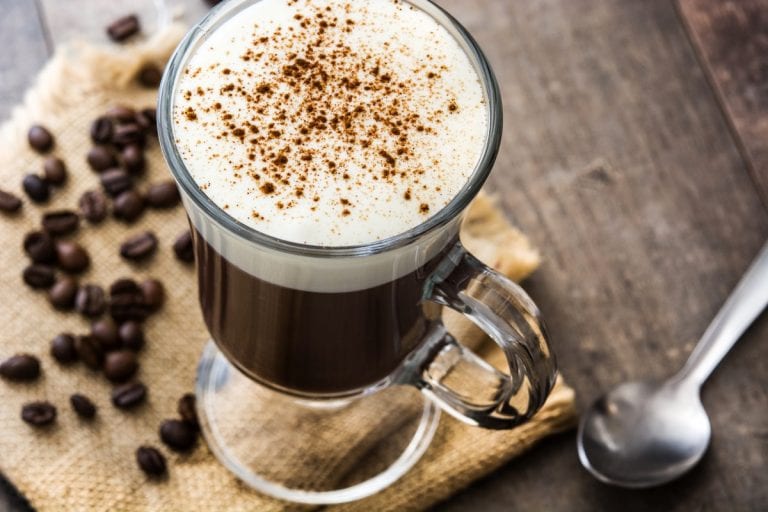
One night in the winter of 1943 one flight had to come back in the middle of the night due to severe weather conditions which made impossible the Atlantic crossing. The chef of the restaurant, Joe Sheridan, was asked to prepare something to warm up the returning weary passengers. He added some good Irish Whiskey to the hot coffee, with some cream on top instead of milk. One of the passengers asked: “Is it Brazilian?” and Joe replied “No, it’s Irish Coffee”… And that’s how the drink was born and found his name.
The recipe
Warm up an Irish Coffee goblet
Pour two ounces of Irish Whiskey and mix with a hot coffee sweetened with Demerara sugar.
Using the back of a teaspoon float some mildly shaken cold fresh cream on top, and garnish with some grated nutmeg. “Slainte agus tainte!”
 From the distillery to the global market: the numbers and identity of an Italian brand
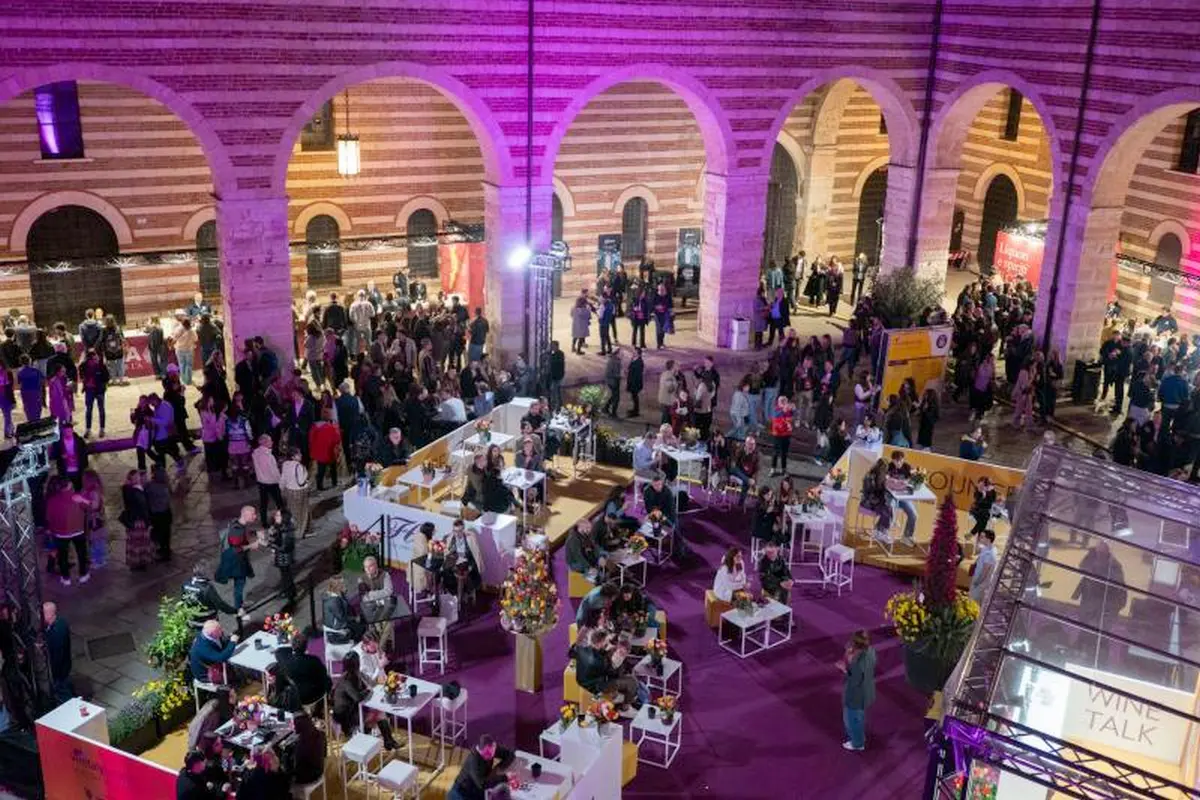 Introducing the Vinitaly and the City 2026 programme. This year, the fringe event will also take place at the Arena di Verona
 Vinitaly 2026: the future of Italian wine is already being showcased at the trade fair. Here are the highlights of the latest edition
 Gaja unveils 2023 vintage of Camarcanda
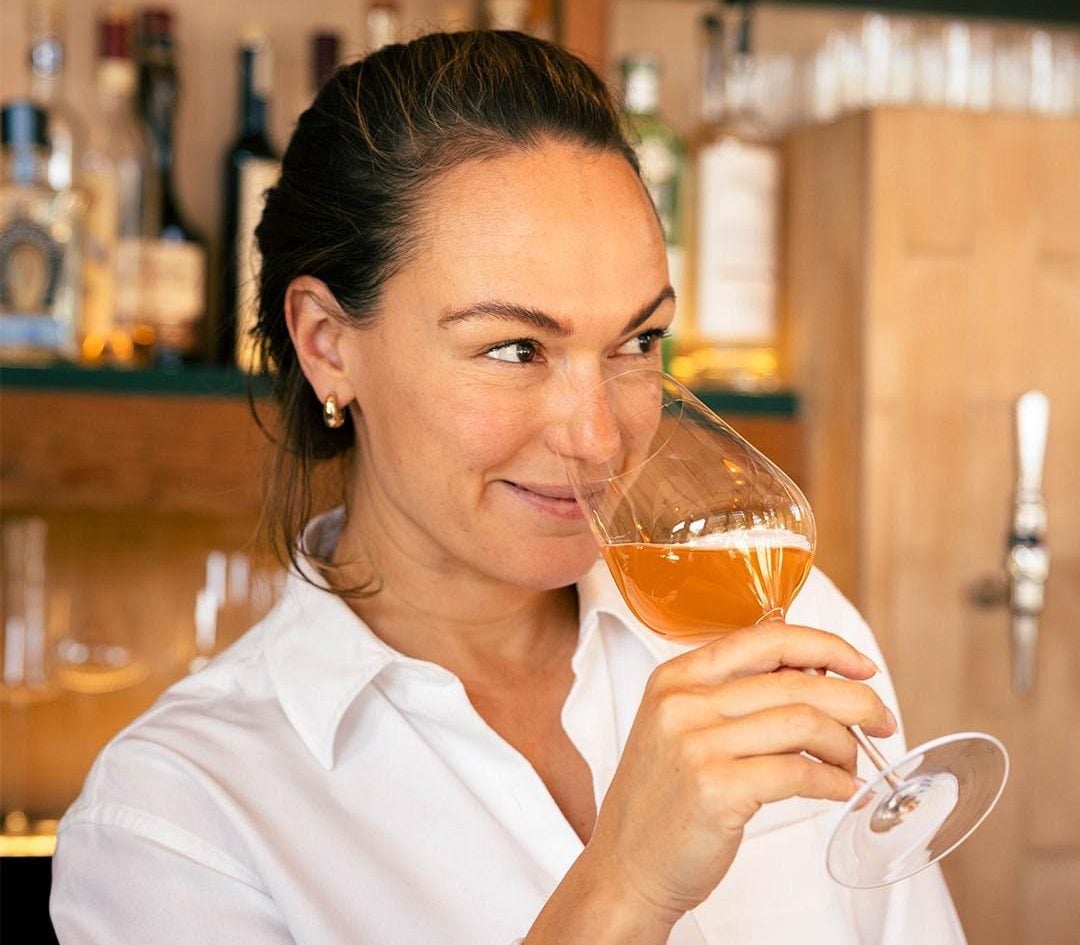 'It’s not about pushing your own agenda and your own taste'