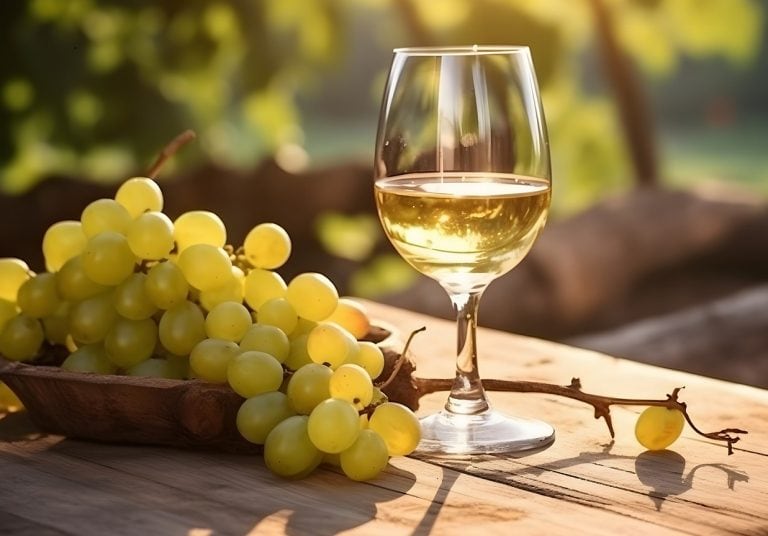
In the green Umbria, the vineyard area covers approximately 13 thousand hectares, less than 2% of the entire national heritage. However, when considering grape varieties, designations, the presence of lakes, flat and hilly areas, viticultural richness extends well beyond the mentioned numbers. Some areas have now become prestigious production areas and serve as real examples for neighboring and not only neighboring locations.
Here, we focus on the DOC Orvieto and its white wine, one of the most famous in the region. Its production, allowed in the provinces of Terni and Viterbo, is regulated by specifications that require procanico (the local name for trebbiano) and grechetto grapes to constitute a minimum of 60%, and other white grape varieties for the remaining 40% (verdello, drupeggio, malvasia, or international varieties). The wine is elegant, fresh, mineral, and produced – both in dry and sweet versions for dessert pairing – by historical cooperative entities or family-run enterprises. Orvieto represents about 50% of Umbrian wine.
Tre Bicchieri 2024: The best Orvieto wines
Here are the 3 Orvieto wines that we have awarded in the Gambero Rosso Vini d'Italia 2024 guide
 Wine is changing its place at the table
 The Rioja you don’t expect: whites that keep pace with the reds
 The soul of Maratea amid crystal clear sea, monuments and breathtaking views
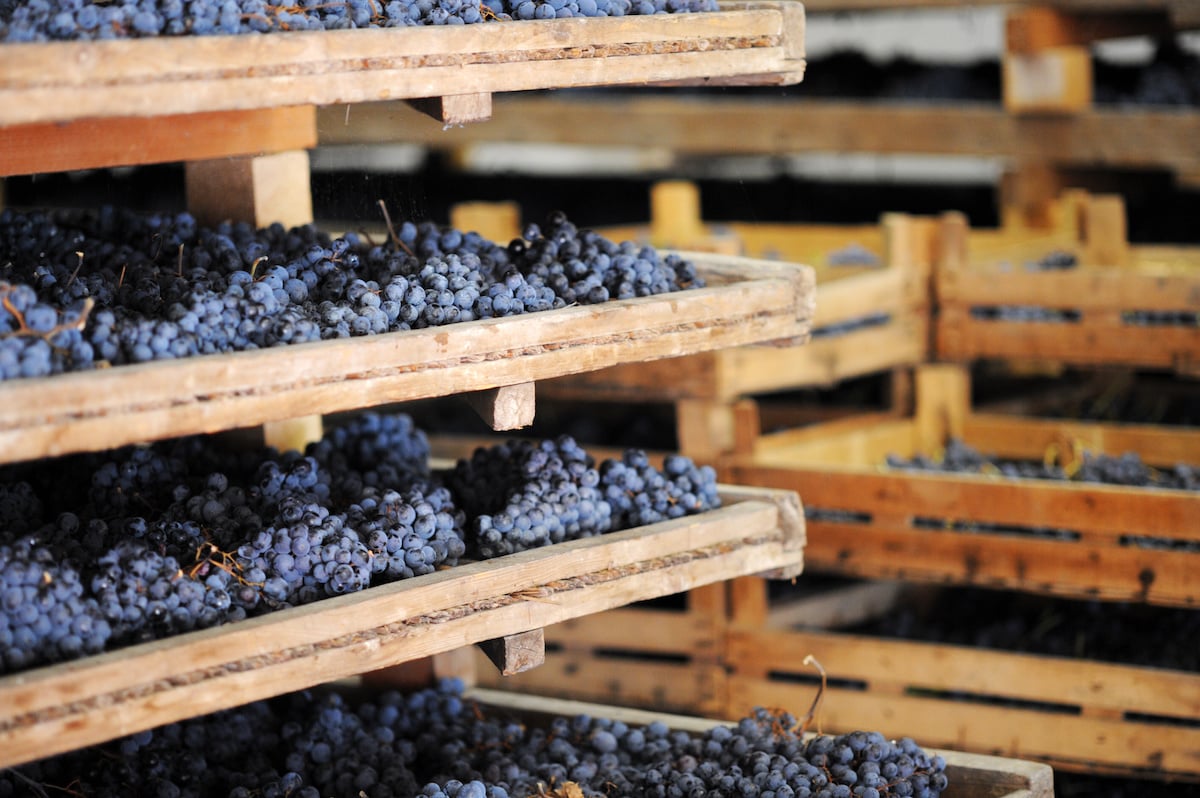 How Amarone changes its skin
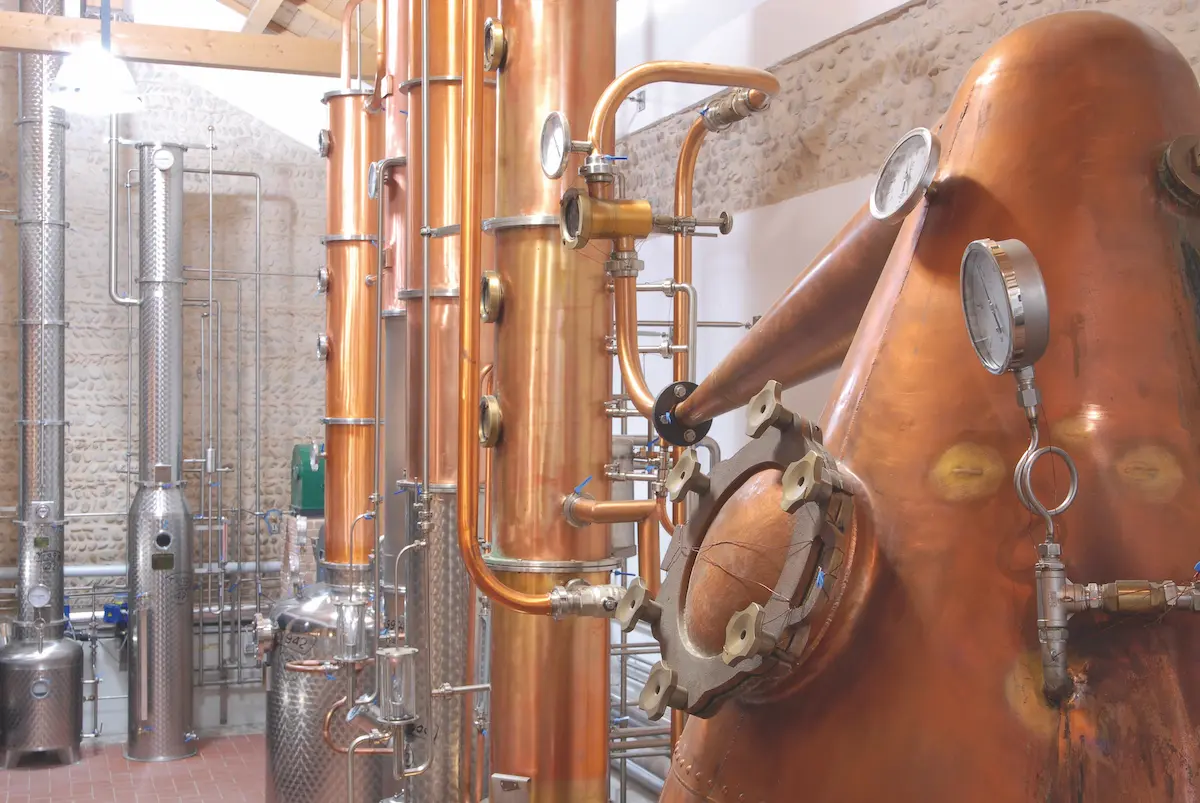 From the distillery to the global market: the numbers and identity of an Italian brand