
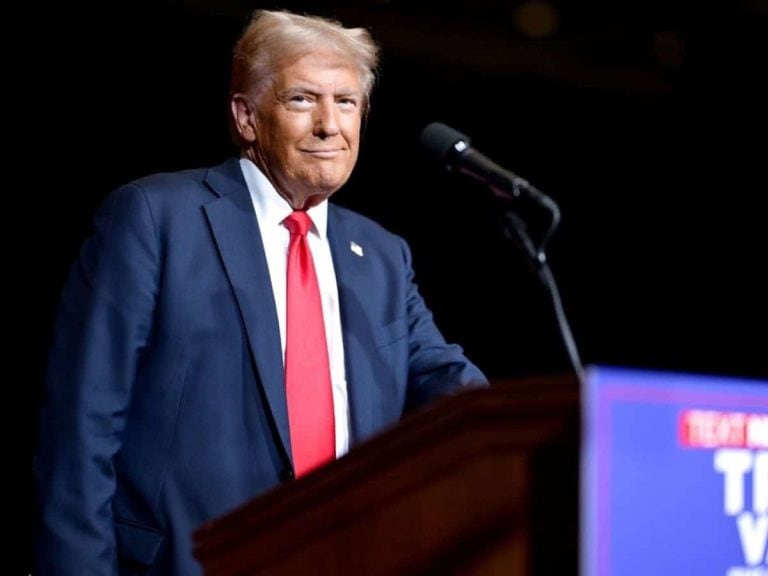
Following the recently announced deal with Japan, a similar agreement with Europe is reportedly imminent. According to the Financial Times, Brussels may accept the so-called “reciprocal tariffs” at 15% to avoid US President Donald Trump’s threat to raise them to 30% by 1 August. However, Trump’s official approval is still pending. According to AGI, discussions are also underway on “most favoured nation” status, with some possible exemptions still being defined. In practice, both sides would agree to waive tariffs on selected products, potentially including alcoholic beverages, but this remains to be confirmed.
EU counter-tariff list in case of no agreement
If the agreement falls through, the European Commission has stated it will present a list of products to target with counter-tariffs, amounting to a total value of €93 billion. These could rise to 30% if a deal isn’t reached by 1 August. The European countermeasures would not take effect before 7 August.
A change of pace
This marks a significant shift from just two weeks ago, when Trump announced – via letter – additional tariffs at 30%, far higher than expected. It’s worth recalling that, since last April, products from Europe have already been subject to 10% tariffs. This situation has already begun to impact exports in the agri-food sector, particularly wine. According to the Italian Wine Union’s Observatory, in April alone (the first month affected by the tariffs), Italian wine exports to the United States saw a drop of 7.5% in volume and 9.2% in value (to just under €154 million), with an average price decrease of 2%.
 Wine is changing its place at the table
 The Rioja you don’t expect: whites that keep pace with the reds
 The soul of Maratea amid crystal clear sea, monuments and breathtaking views
 How Amarone changes its skin
 From the distillery to the global market: the numbers and identity of an Italian brand