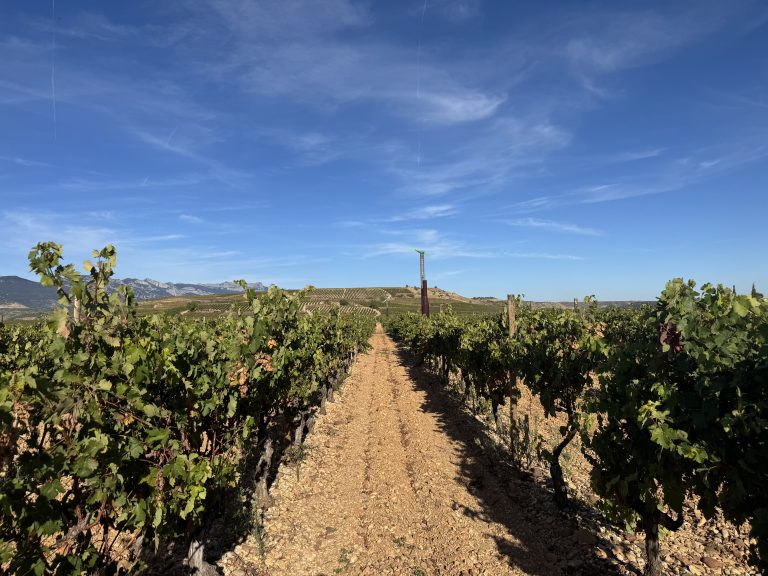
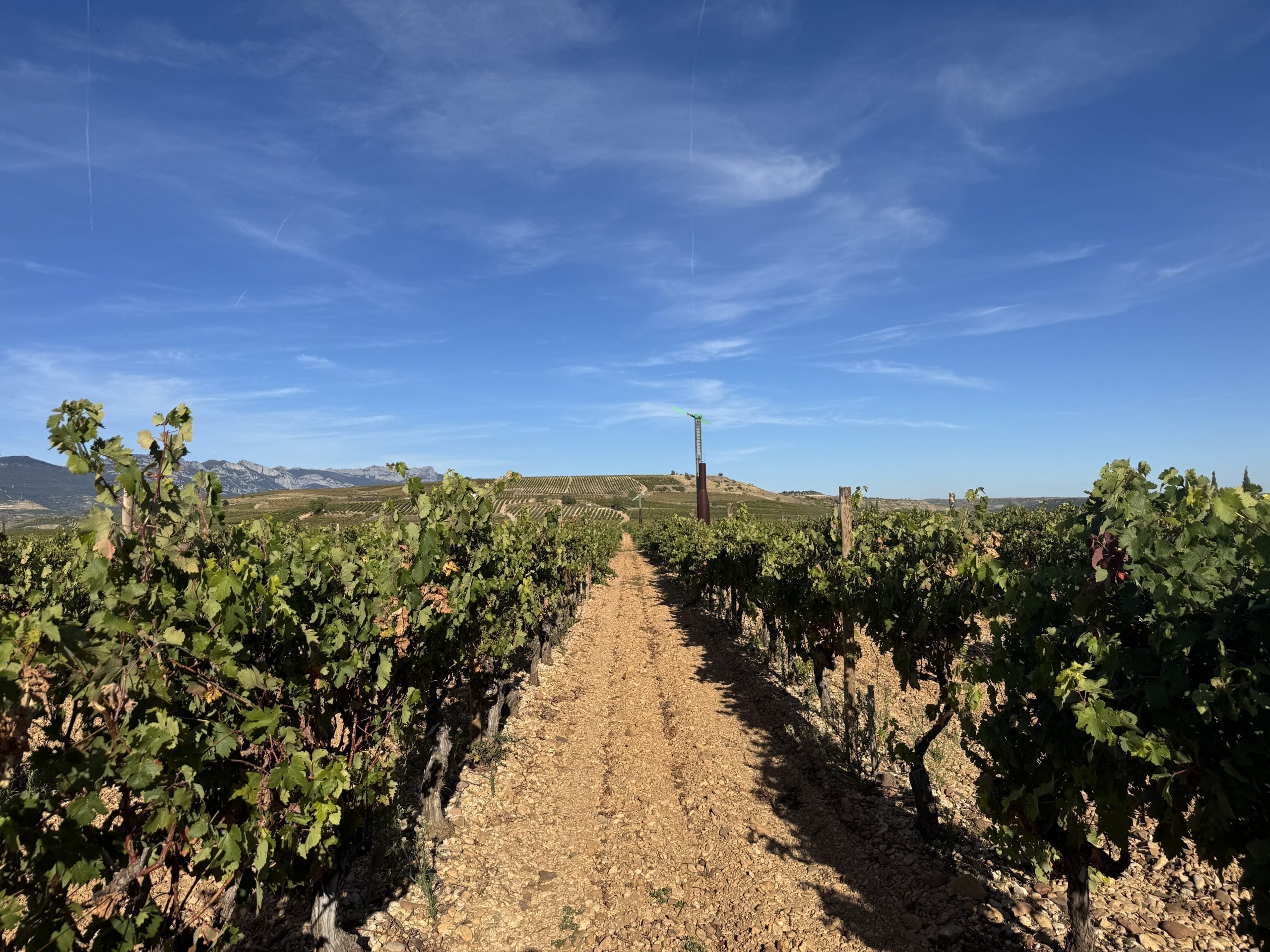
Outside the car, the air is fresh. The vineyards begin just a few kilometres from the cities and seem endless: orderly rows climbing and descending among Romanesque churches and narrow roads. In restaurants, hotels, even corridors, magnum and jeroboam bottles remind you where you are.
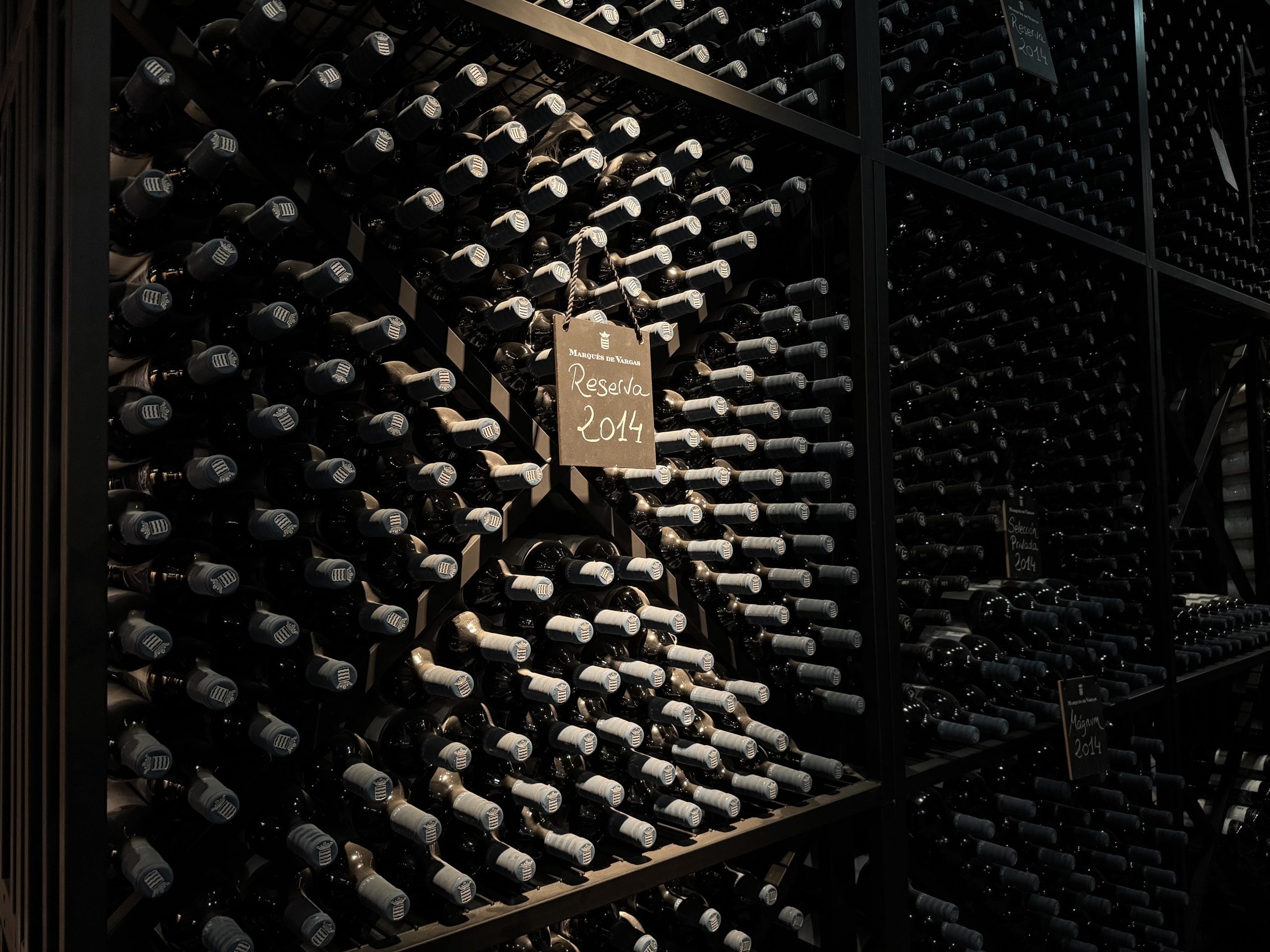
The first useful stop for understanding what is happening in Rioja is Bodegas Marqués de Vargas. It starts in the vineyard: selected parcels, restrained yields, a clear idea of place. The winery remains tied to the great tradition of red wines, but its approach says something more general: Rioja is no longer being described through broad categories, but through specific places, internal differences and more subtle identities. It is the same shift in scale that is making work on white wines more interesting today.
Because whites, for decades treated as second-tier wines, have become a serious field of research. There are nine authorised varieties: Viura, Garnacha Blanca, Malvasía, Tempranillo Blanco, Maturana Blanca, Turruntés, Verdejo, Chardonnay and Sauvignon Blanc. Two cases neatly express the dual nature of this heritage: Tempranillo Blanco comes from a natural genetic mutation identified in 1988; Maturana Blanca, by contrast, is the region’s oldest grape variety, documented as early as 1622. Travelling through Rioja from west to east means watching this transformation as it happens.
Oak, Structure, Lightness
For decades, oak stood at the centre of the Rioja model, especially for reds. In whites it does not disappear, but its role changes: from a dominant element, it becomes a tool to be calibrated.
Vivanco’s Colección 4 Varietales Blanco de Guarda is a good example: the barrel is there, but it does not build the wine; it accompanies it. Controlled density, with saline notes and fruit that do not overlap.
Viura, a grape long considered neutral, is undergoing a clear reassessment. Bodegas Beronia’s Viura Barrel Fermented works in a register different from what one might expect: it does not aim for aromatic intensity, but for dynamics. Citrus, texture, length. A white that does not feel heavy, but occupies space.
Bodegas Montecillo offers the direct comparison: Viña Monty 2018 moves along lines of freshness and verticality, while the red Barricas remains anchored to the opposite logic — depth, layering, warmth. It is not a question of quality. They are two different languages.
Room for Experimentation
Ramón Bilbao’s Límite Norte is an interesting case: less volume, more energy. A white that changes in the glass and resists immediate definition. Marqués de Cáceres’ Los Altares, meanwhile, shifts the discussion towards time: a white to wait for, not one to be consumed within the year.
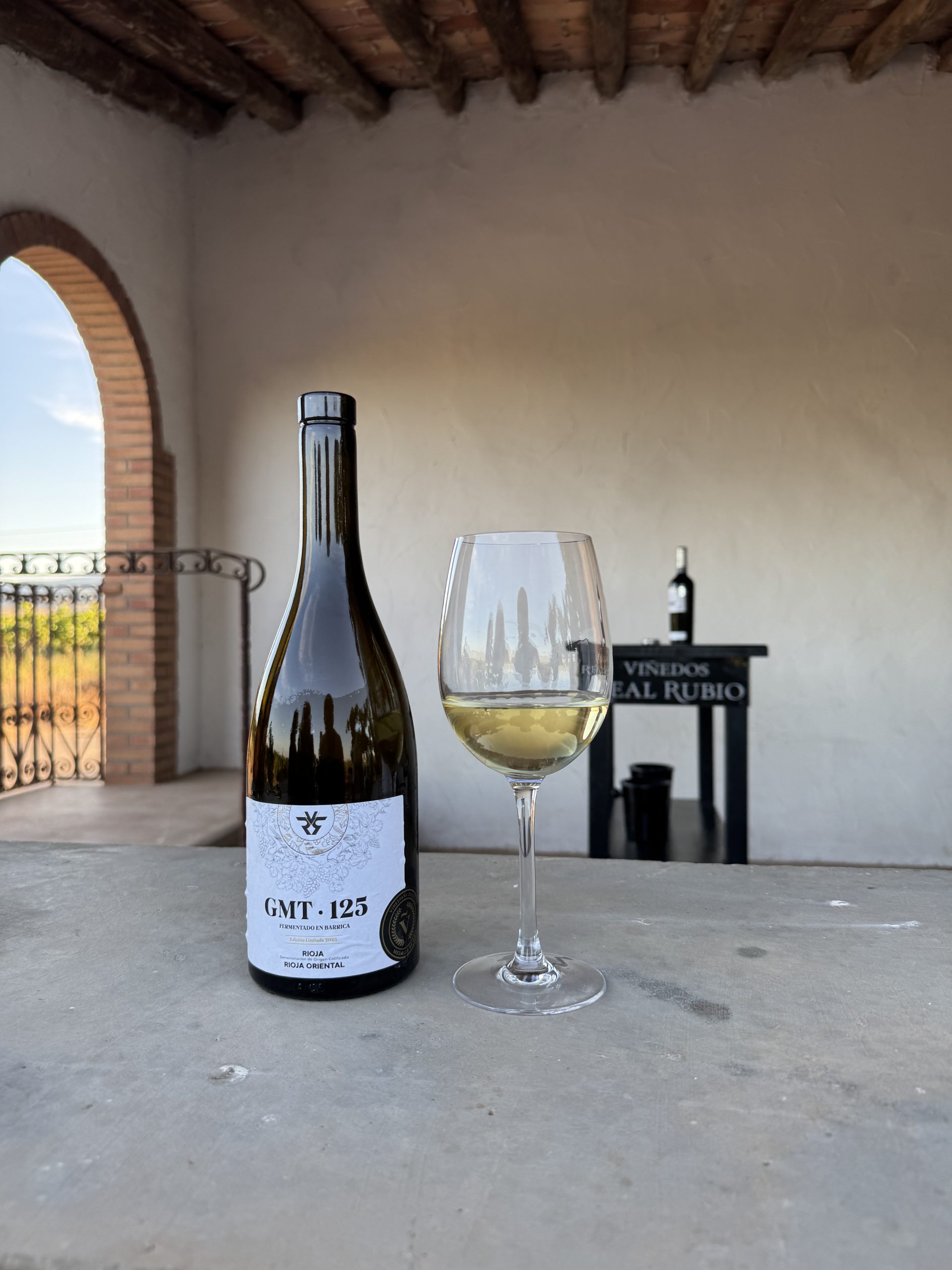
Moving towards Bodegas Real Rubio’s GMT 125 finds a balance between creaminess and tension without either prevailing. Alongside it, Incitador opens another front: sparkling wine as an extension of the territory, not as a stylistic exercise.
The Remaining Challenge
The question is no longer whether Rioja knows how to produce great whites. It does, and in different ways. The problem lies elsewhere: as prices go down, this clarity is lost. Lower-end whites do not yet have the same coherence as their red equivalents. That is where the real game will be played: making this new identity accessible without watering it down.
 Wine is changing its place at the table
 The Rioja you don’t expect: whites that keep pace with the reds
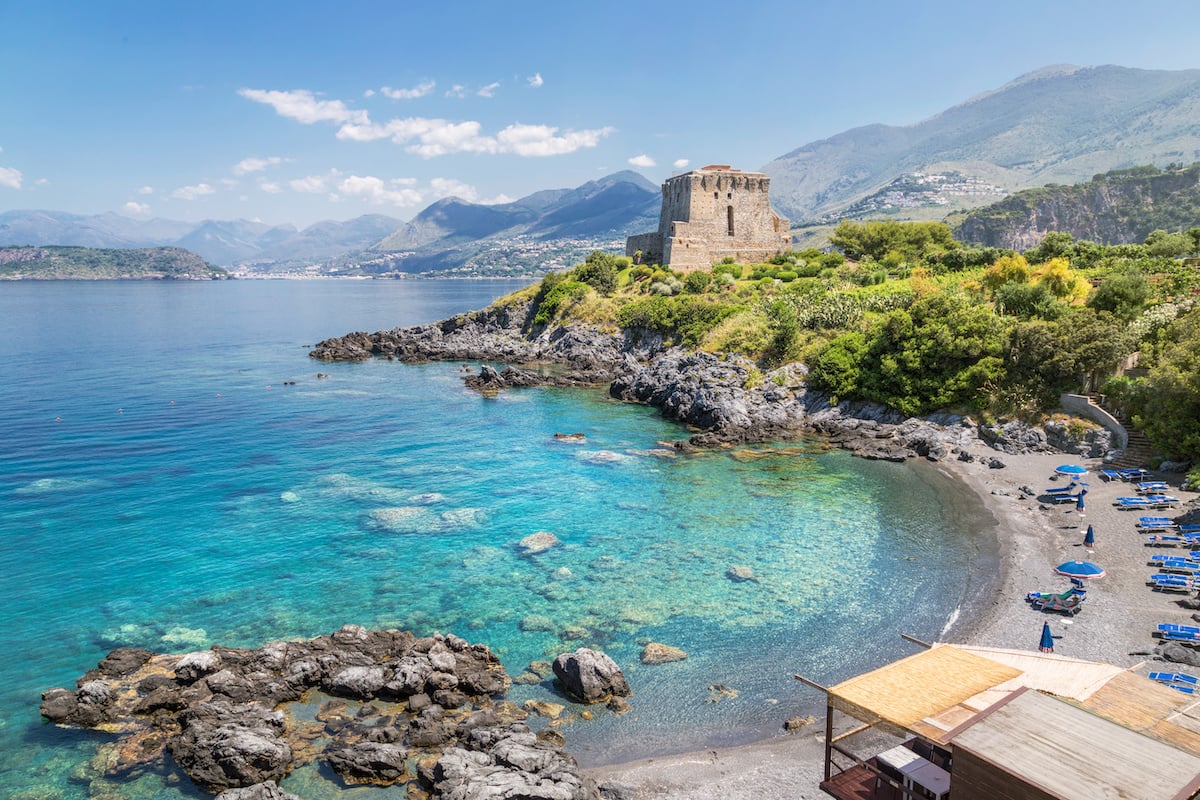 The soul of Maratea amid crystal clear sea, monuments and breathtaking views
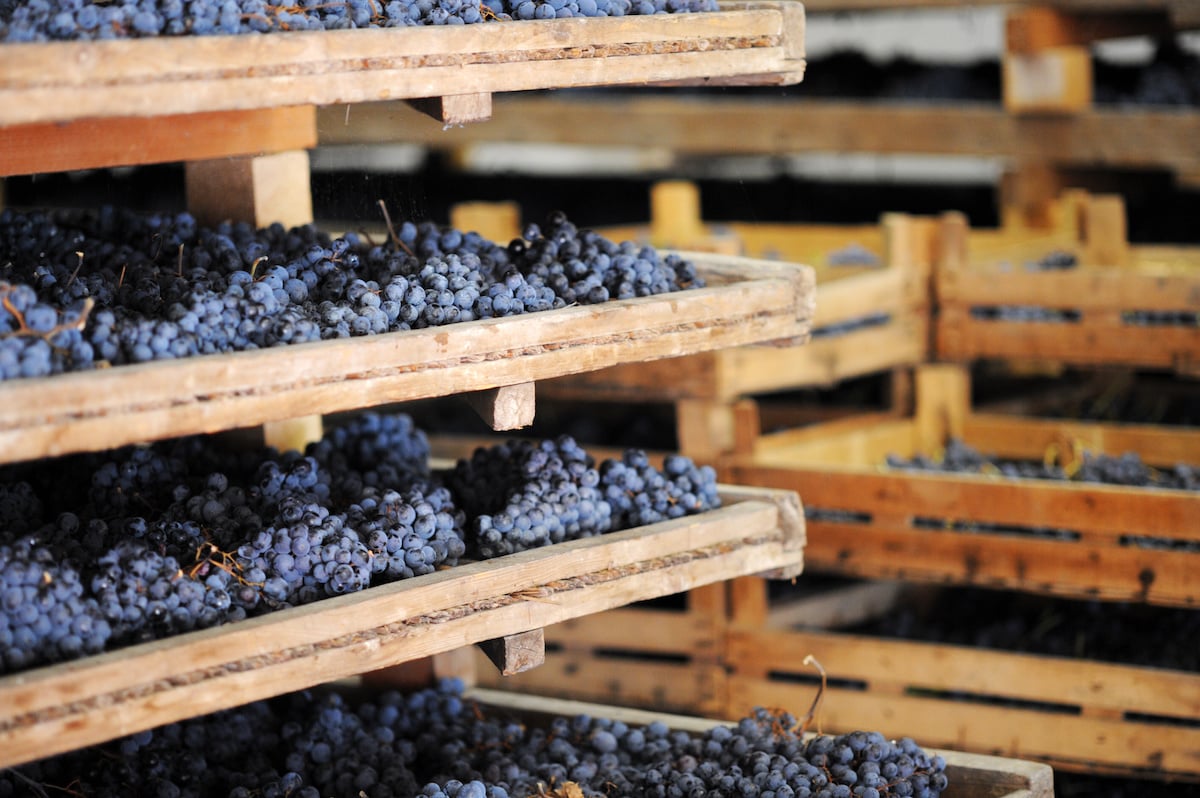 How Amarone changes its skin
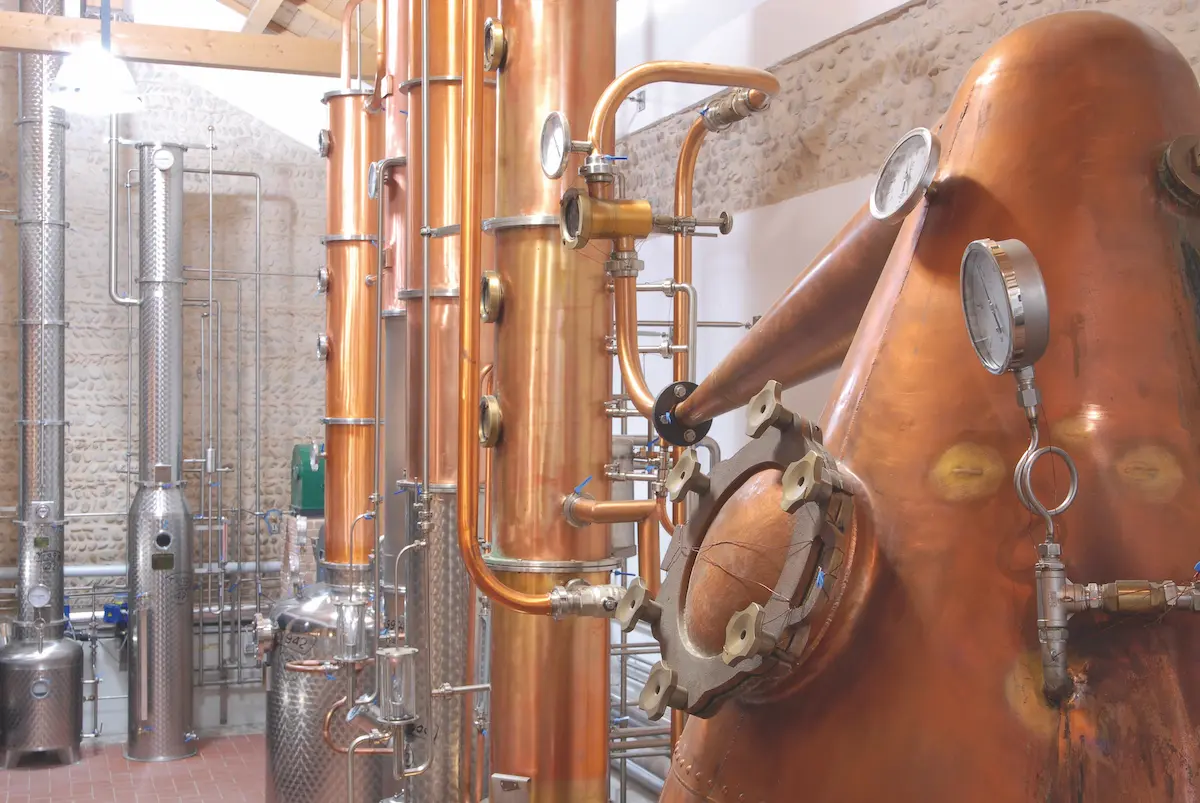 From the distillery to the global market: the numbers and identity of an Italian brand