History of vignarola
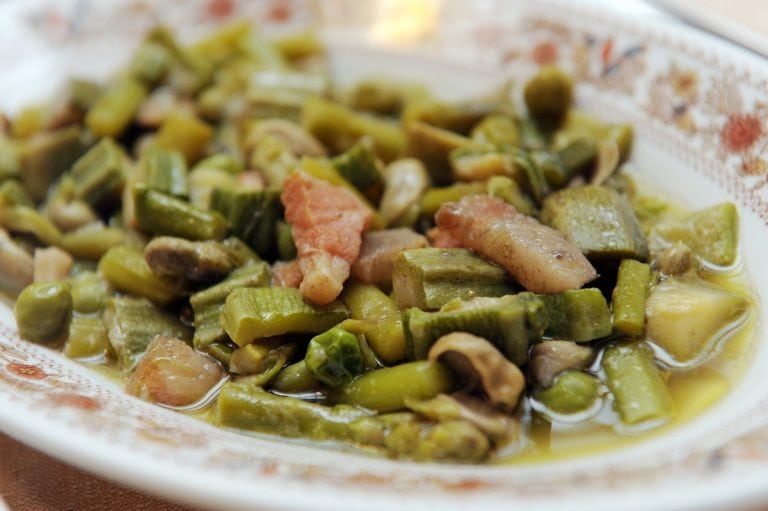
A side dish, but also a condiment for a first course, available only during spring: vignarola – a mix of broad beans, peas, artichokes and lettuce – was born as a poor dish in the Roman countryside, where vegetables abounded. A verified theory surrounding the birth of the recipe maintains that it all started in Velletri, a town in the province of Rome where winemakers began to prepare this dish on their return from the vineyards (in italian, vigne), using freshly picked vegetables. In fact, it was once common to plant certain vegetables along the rows, including broad beans and peas. Another theory believes that this is a recovery recipe, created to avoid wasting the leftovers of daily sales in fruit shops (the term "vignarolo" in Roman dialect means, in fact, vegetable seller). It is often served with the addition of crispy pork belly, but you can also make a vegan version.
Recipe for vignarola
Ingredients
2 artichokes
600 g peas
600 g broad beans
1 head of lettuce
1 lemon
2 spring onions
3 tablespoons of extra virgin olive oil
50 g pork belly (optional)
Salt
Pepper
Clean and cut the artichokes, then wash peas and broad beans, and chop the lettuce. Chop the spring onions and stir-fry them in a pan with some olive oil and the pork belly, diced. After 10 minutes, add artichokes, peas, broad beans and season to taste. Let the vegetables cook for 10 minutes then add lettuce and cook for 15 minutes. Serve the vignarola hot or warm.
 Wine is changing its place at the table
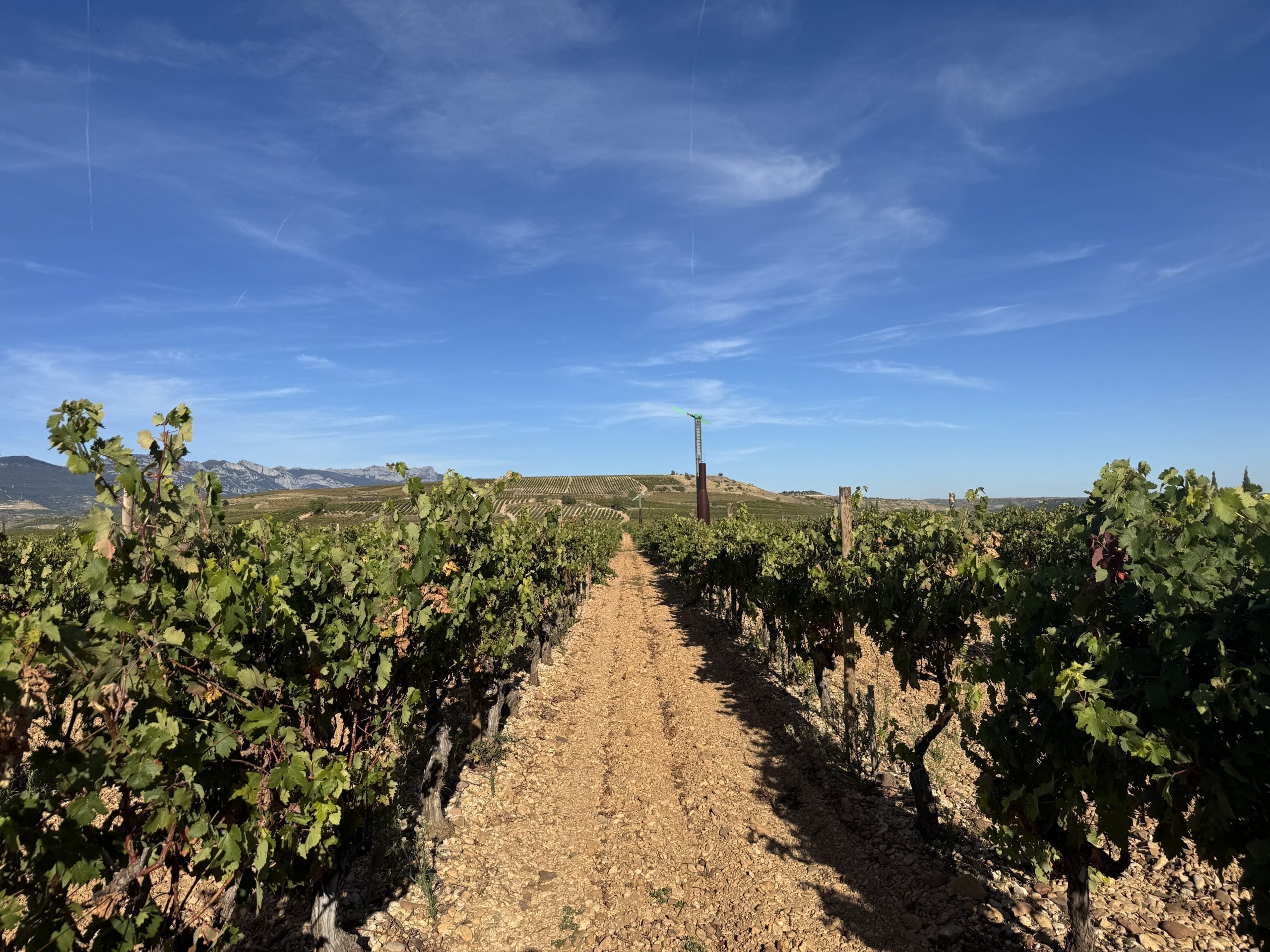 The Rioja you don’t expect: whites that keep pace with the reds
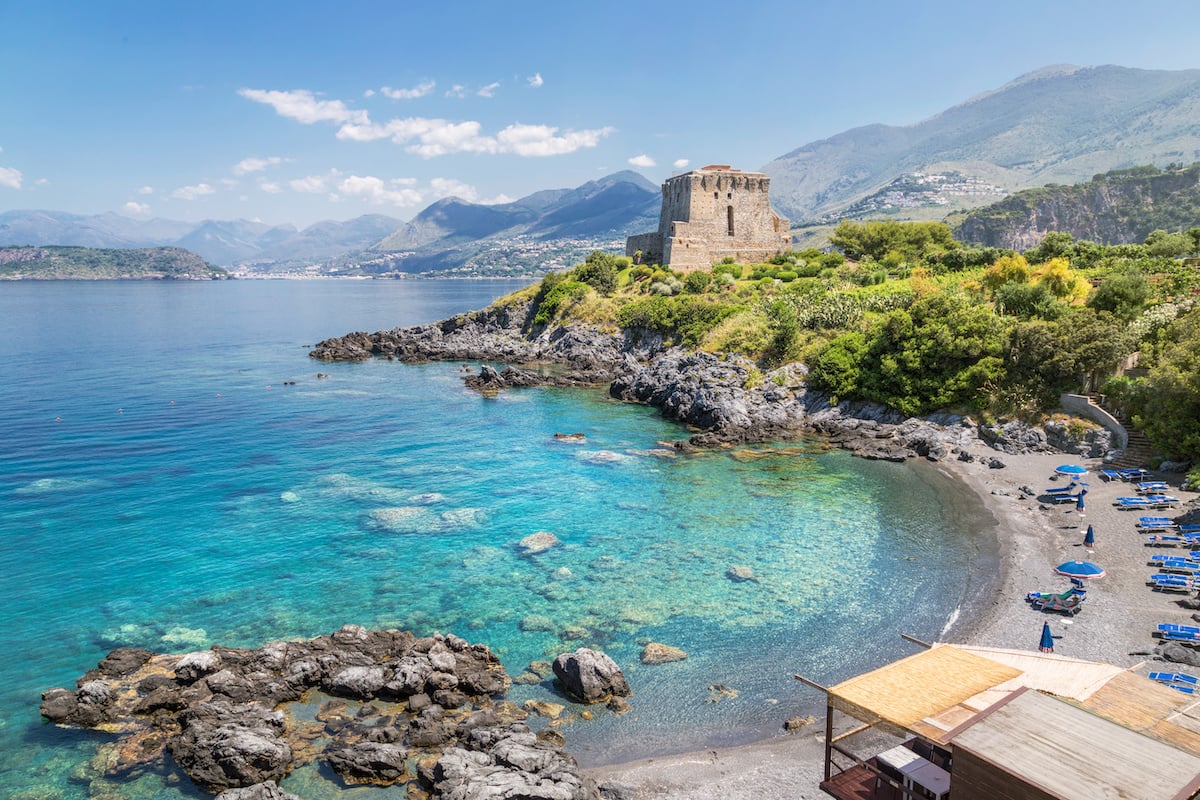 The soul of Maratea amid crystal clear sea, monuments and breathtaking views
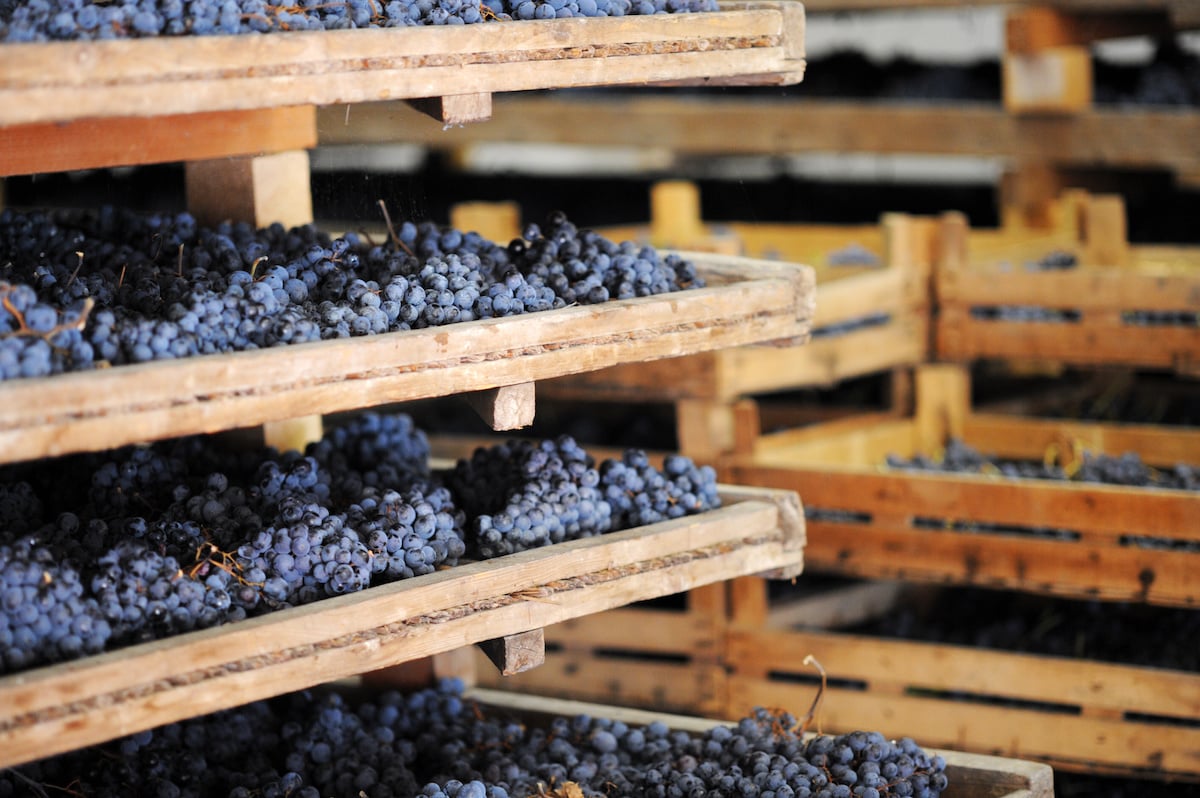 How Amarone changes its skin
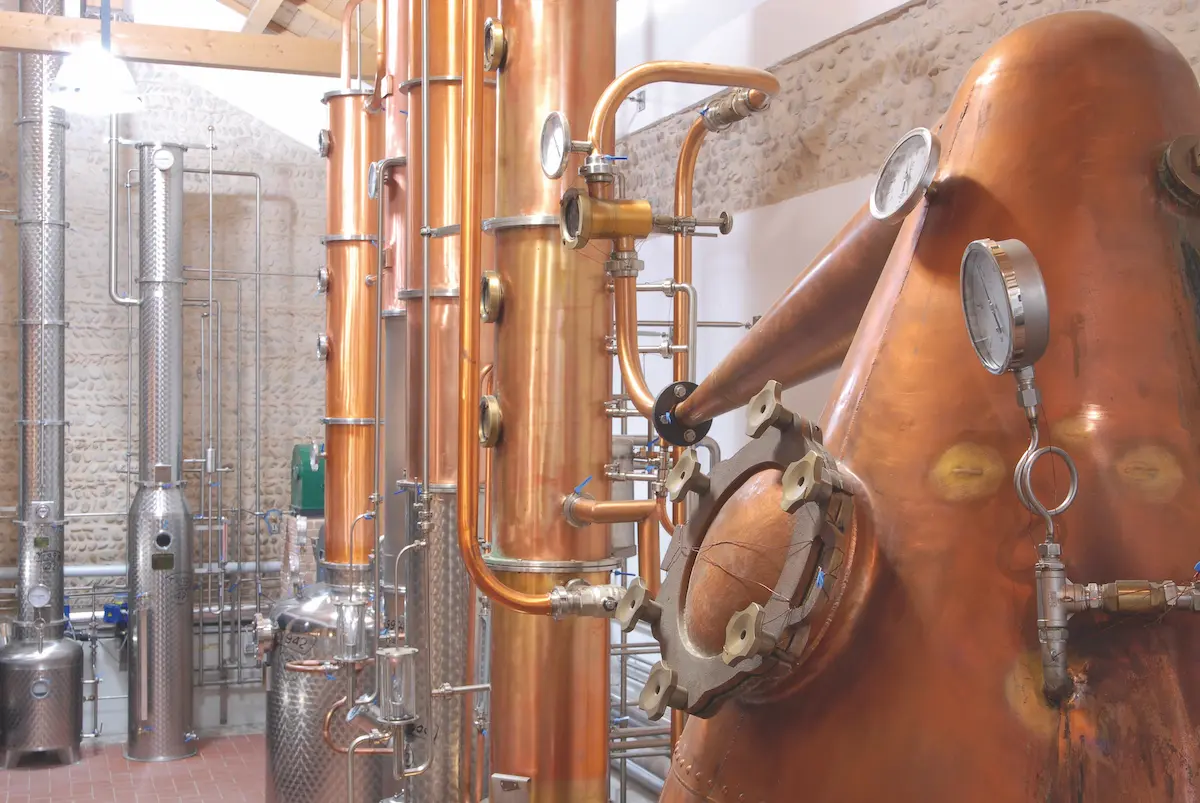 From the distillery to the global market: the numbers and identity of an Italian brand