Dear customer, admit it, at least once you've found yourself swirling a glass of bubbles before putting your sense of smell to the test. It doesn't matter if this happened not at a restaurant but in your room away from judgmental eyes. If your answer is yes – and you won't be asked for the reason – you are in the right place to redeem yourself.
Sparkling wines should not be disturbed
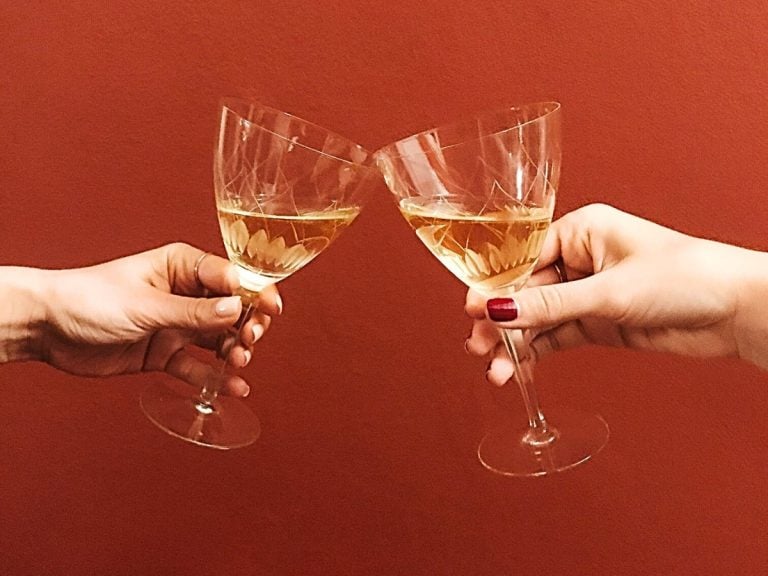
Unlike still wines, a glass containing bubbles (whatever they may be) should never, never, never be swirled.
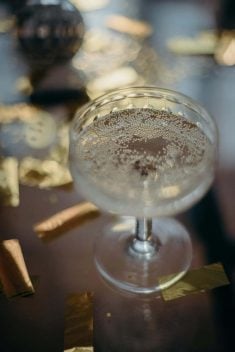
The swirling motion causes a rapid dispersion of carbon dioxide and, consequently, a significant loss of effervescence. Not only that: the macromolecules of aromas and flavors brought to the surface after pouring (called "Archimedes' Push") risk "precipitating" into the liquid solution, compromising the entire olfactory, retro-olfactory, and, above all, gustatory experience.
The bubble works autonomously: it is born, grows (but not too much), accelerates in a controlled manner using "small elevators," lives a long time (if it's of quality), and explodes, maximizing sensory perceptions during tasting.
So, dear customer, leave it alone. The world is already shaken enough.
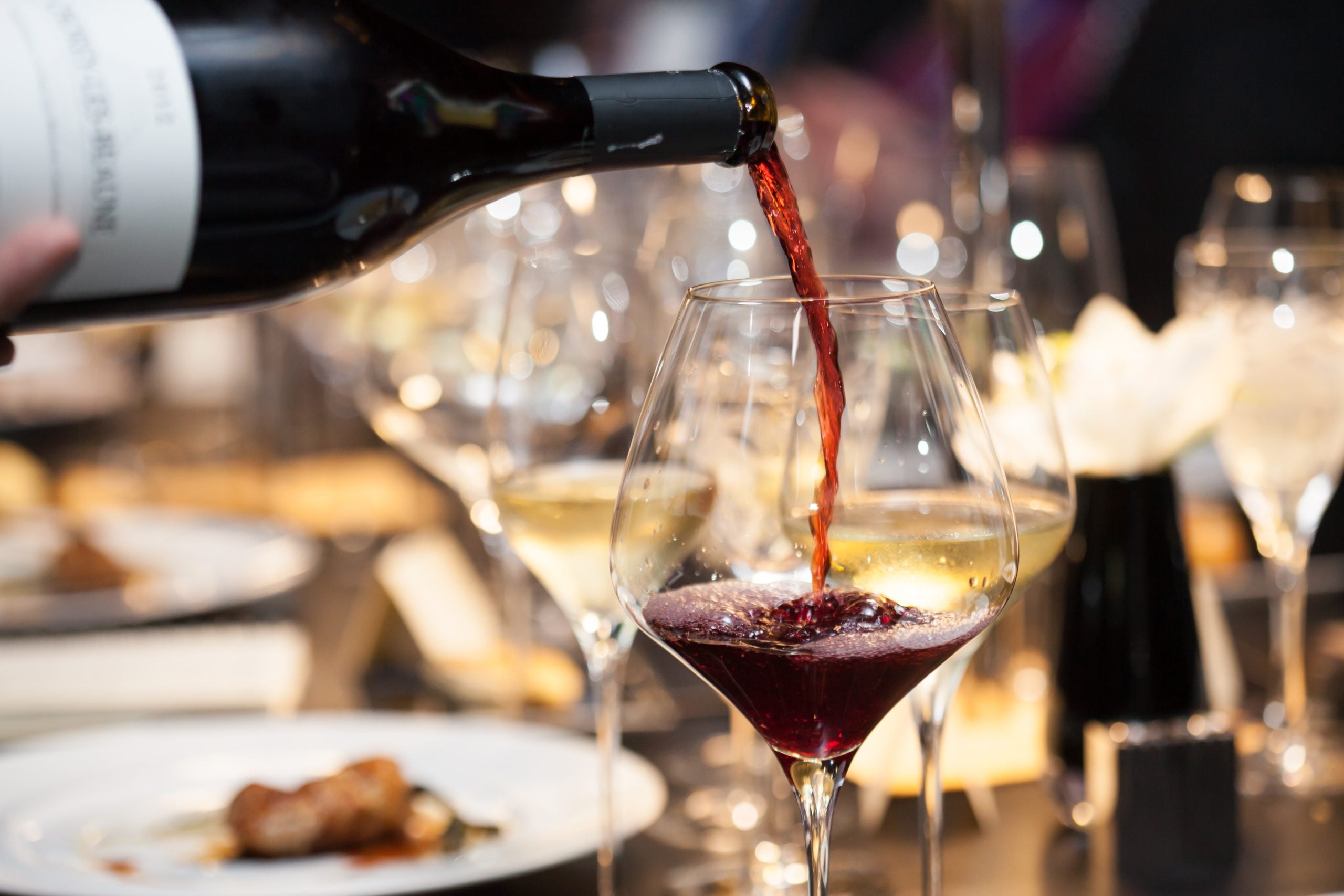 Wine is changing its place at the table
 The Rioja you don’t expect: whites that keep pace with the reds
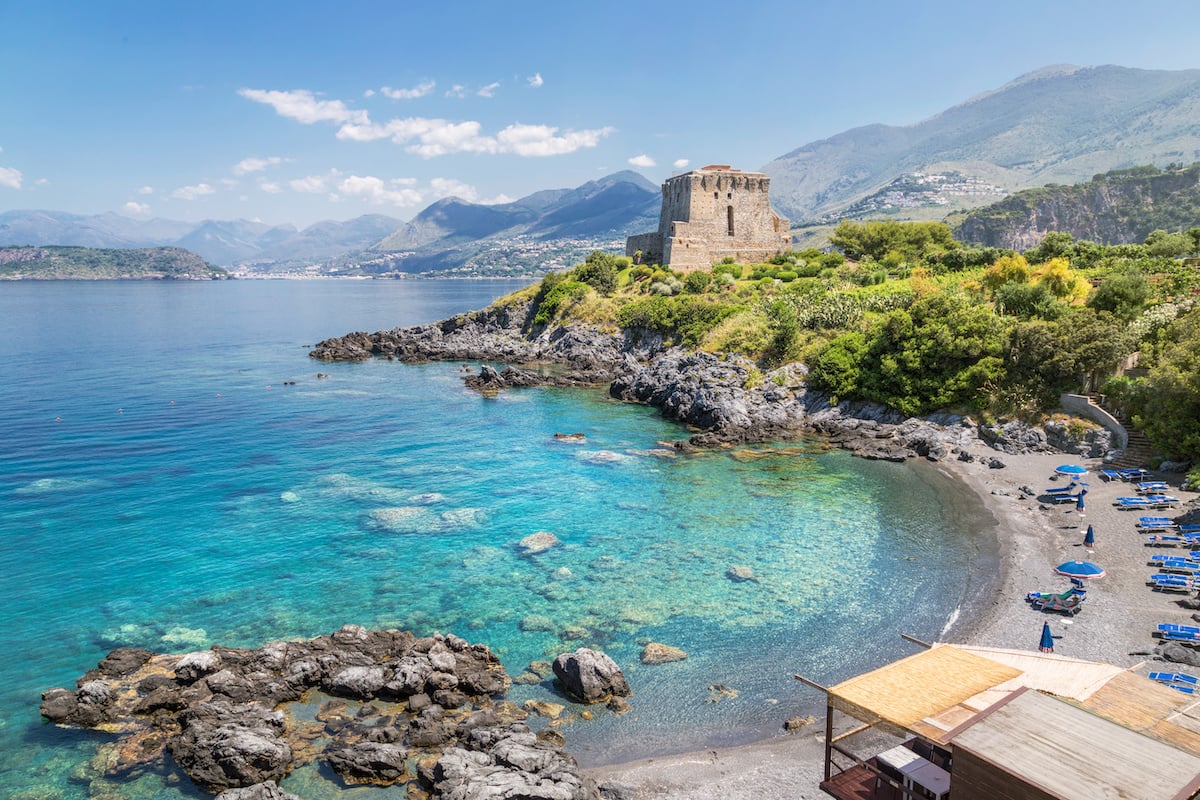 The soul of Maratea amid crystal clear sea, monuments and breathtaking views
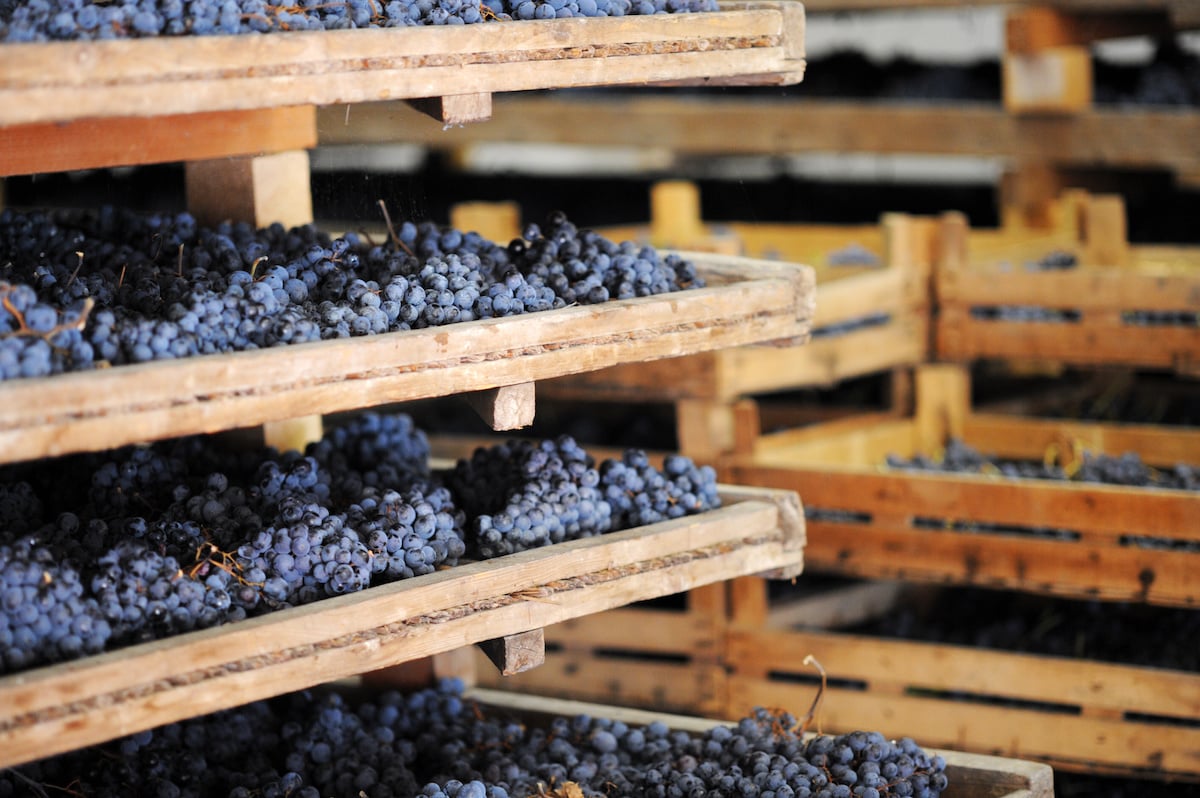 How Amarone changes its skin
 From the distillery to the global market: the numbers and identity of an Italian brand