Italian cuisine is “a cultural and social blend of culinary traditions,” “a way of taking care of oneself and of others, expressing love and rediscovering one’s cultural roots, offering communities an outlet to share their history and describe the world around them.” With these motivations, the Intergovernmental Committee of UNESCO, meeting in New Delhi, has declared Italian cuisine an Intangible Cultural Heritage of Humanity.
And it is the first cuisine in the world to be recognised in its entirety. Welcoming the verdict were Maddalena Fossati, President of the Promoting Committee and editor-in-chief of La Cucina Italiana, together with the Foreign Minister, Antonio Tajani. An undeniable success, even if some critical viewpoints remain about the deeper meaning of this recognition. It is definitely a success for our agricultural heritage, which is both environmental and cultural.
Promoting Italian products abroad
“This recognition is a source of pride but also of awareness of the increased value that our products, our territories, and our supply chains will enjoy. It will also be an additional tool to counter those who try to take advantage of the value that the whole world attributes to the Made in Italy brand, and it will create new opportunities for jobs, for wealth in the territories, and for continuing along the path of this tradition that UNESCO has recognised as a heritage of humanity,” commented Agriculture Minister Francesco Lollobrigida.

Lollobrigida
The value of social inclusion and sharing
The news was greeted by a long round of applause in the hall in New Delhi. Italy’s dossier was among 60 under evaluation, coming from 56 countries. UNESCO emphasises how Italian-style cooking “promotes social inclusion, fostering well-being and offering a channel for ongoing intergenerational learning, strengthening bonds, encouraging sharing and promoting a sense of belonging.” Cooking, UNESCO states, is for Italians “a communal activity that emphasises intimacy with food, respect for ingredients and moments shared around the table. The practice is rooted in anti-waste recipes and in the transmission of flavours, skills and memories through generations. As a multigenerational practice, with perfectly interchangeable roles, cooking plays an inclusive role, allowing everyone to enjoy an individual and collective experience and a continuous exchange, overcoming all intercultural and intergenerational barriers.”
“It is a celebration of families who pass down ancient flavours, of farmers who care for the land, of producers who work with passion, of restaurateurs who bring the authentic value of Italy to the world. To them, and to all those who worked with dedication on this candidacy, goes my deepest gratitude. This recognition is a source of pride but also an awareness of the added value our products, territories and supply chains will enjoy. It will also be an additional tool to counter those who attempt to exploit the value the world attributes to the Made in Italy brand, and will represent new opportunities to create jobs, wealth in the territories, and continue along the path of this tradition that UNESCO has recognised as a heritage of humanity,” the Minister concluded.
Giorgia Meloni: an important tool
“We are the first in the world to obtain this recognition, which honours who we are and our identity. Because for us Italians, cuisine is not just food or a set of recipes. It is much more: it is culture, tradition, work, wealth,” said Prime Minister Giorgia Meloni in a video message expressing her enthusiasm for the UNESCO recognition. “It is a record that fills us with pride – and it gives us a formidable tool to further enhance our products and protect them more effectively from imitations and unfair competition. We already export 70 billion euros of agri-food products, and we are the leading agricultural economy in Europe by added value. This recognition will give the Italian System a decisive boost to reach new goals.”

Another record in agri-food heritage
UNESCO’s decision also highlights how the candidature file, prepared by jurist Pier Luigi Petrillo, demonstrates “the significant efforts made by communities over the past sixty years, particularly by key representative bodies such as the magazine La Cucina Italiana, the Accademia Italiana della Cucina, and the Casa Artusi Foundation.”
With the inscription of Italian cuisine as UNESCO heritage, Italy also claims the world record for agri-food-related recognitions in proportion to the total number received. Of the 21 traditions entered in the Intangible Cultural Heritage List, nine are linked to agriculture or gastronomy: Italian cuisine, the art of Neapolitan pizzaiuoli, transhumance, the construction of dry-stone walls in agriculture, the bush-trained vine cultivation of Zibibbo grapes in Pantelleria, the Mediterranean diet, truffle hunting, traditional irrigation systems, and the breeding of Lipizzaner horses.
 'You have to let British people fall in love with Italy'
 Why ABFV Italy chose a quarry for its new Bolgheri winery
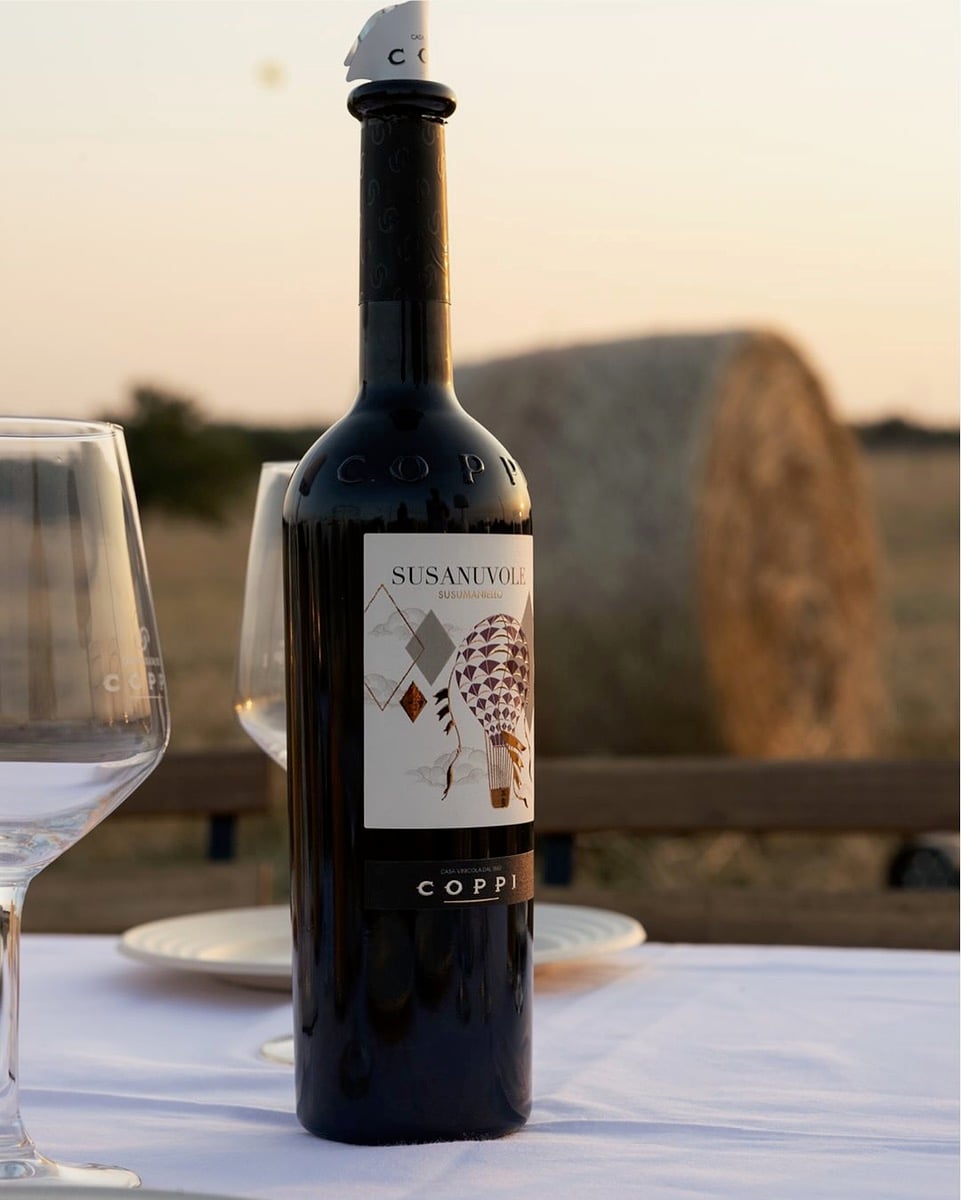 Casa Vinicola Coppi pays tribute to its founder with forgotten grape variety
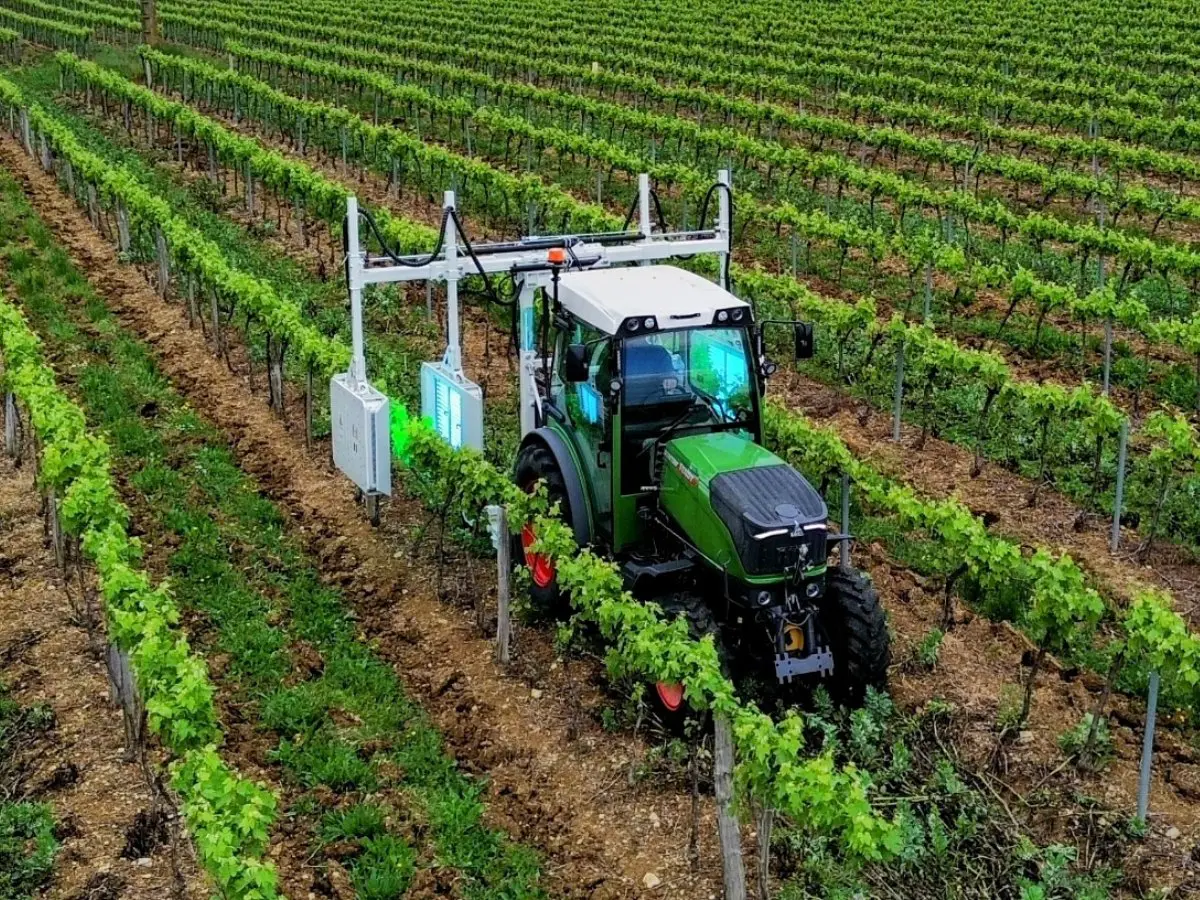 How ultraviolet rays can improve wine
 What is Ormeasco?