

“I like wine; otherwise I go for my favourite drink: wine with Sprite,” Lionel Messi told the Argentine broadcaster Luzu TV. The footballer’s admission — Messi being not only a football legend but also a wine producer — has certainly made purists of “neat” wine raise an eyebrow, yet in reality it says far more than it might seem at first glance.
Because beyond the lifted eyebrows and headlines branding it a “bizarre” drink, there is nothing truly new about the beverage Messi chooses to unwind. Mixing wine is neither a modern heresy nor a concession to easy taste: it is an ancient, popular practice, deeply rooted in the history of European drinking culture.
Ancient precedents: why wine was mixed
As early as ancient Greece and Rome, wine was routinely diluted with water. This was not merely for economic reasons, but to manage alcohol, extend consumption over time, and preserve freshness and drinkability during meals or long days outdoors. The goal was balance: pleasure without excess. From here one can begin to understand the appeal of “popular” wine-based drinks—not codified cocktails, but tools of conviviality.
Abruzzo and the drink of the countryside
In Italy, one of the most emblematic expressions of this culture is Abruzzo’s champagnino: wine (often a local white such as Trebbiano) mixed with gassosa, also known as sciampagnino, lampadina, mezz’e mezz or bicicletta.
A rural tradition born in the countryside as a small reward after working in the fields: refreshing, light, meant to be shared. Its name playfully alludes to Champagne—not to imitate it, but to evoke the idea of an accessible celebration, without pretension.
A Spanish summer in a glass
Move to Spain and the same principle takes shape in tinto de verano: red wine, soda (or gaseosa), ice, and often a slice of lemon. Born in the early decades of the twentieth century, it is the popular response to Mediterranean heat, served in bars, village festivals and sun-drenched afternoons. A daily, informal alternative to sangria—more immediate and less ritualised.
Calimocho: wine and cola
Still in Spain, but further north, we find calimocho (or kalimotxo): red wine and cola in equal parts, served ice-cold. Born—according to the most widely accepted account—almost by accident at a festival, by mixing inexpensive wine with soft drinks, it has become a symbol of youthful, street-level conviviality and large collective drinking occasions, free of labels and formality.
From rural Abruzzo to Spanish beaches, and on to crowded squares after a match, these drinks all share the same philosophy: simple ingredients, an accessible gesture, and the centrality of conviviality over technique. They offer a fresh, light way of drinking wine, especially when the context—climatic or social—calls for less concentration and more sharing. It is therefore hardly surprising that even a global icon like Messi finds comfort in his own personal version of “lightened” wine. In the era of low alcohol, it is, in many ways, a return to origins.
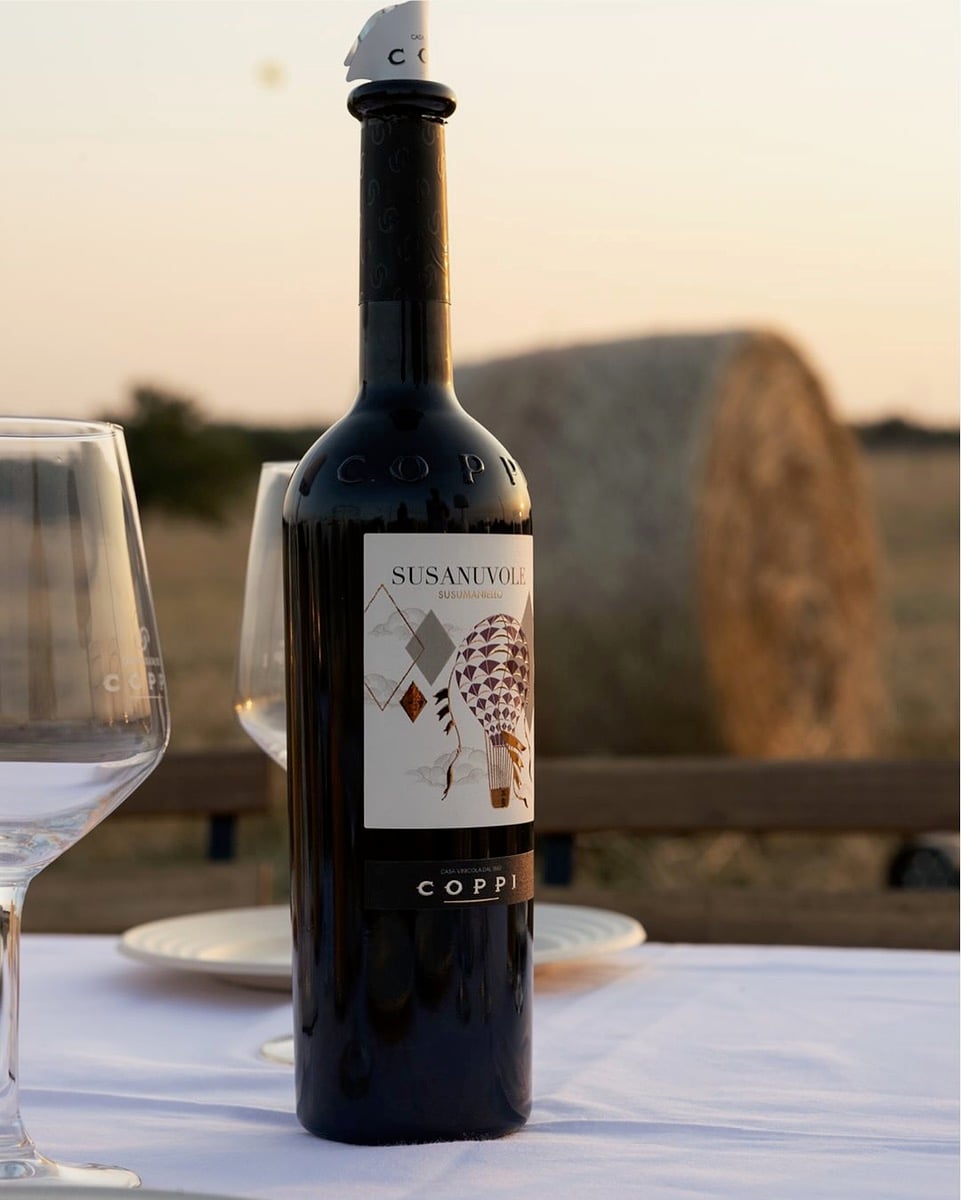 Casa Vinicola Coppi pays tribute to its founder with forgotten grape variety
 How ultraviolet rays can improve wine
 What is Ormeasco?
 The role mapping played in the creation of one of Alto Adige's best Sauvignon Blancs
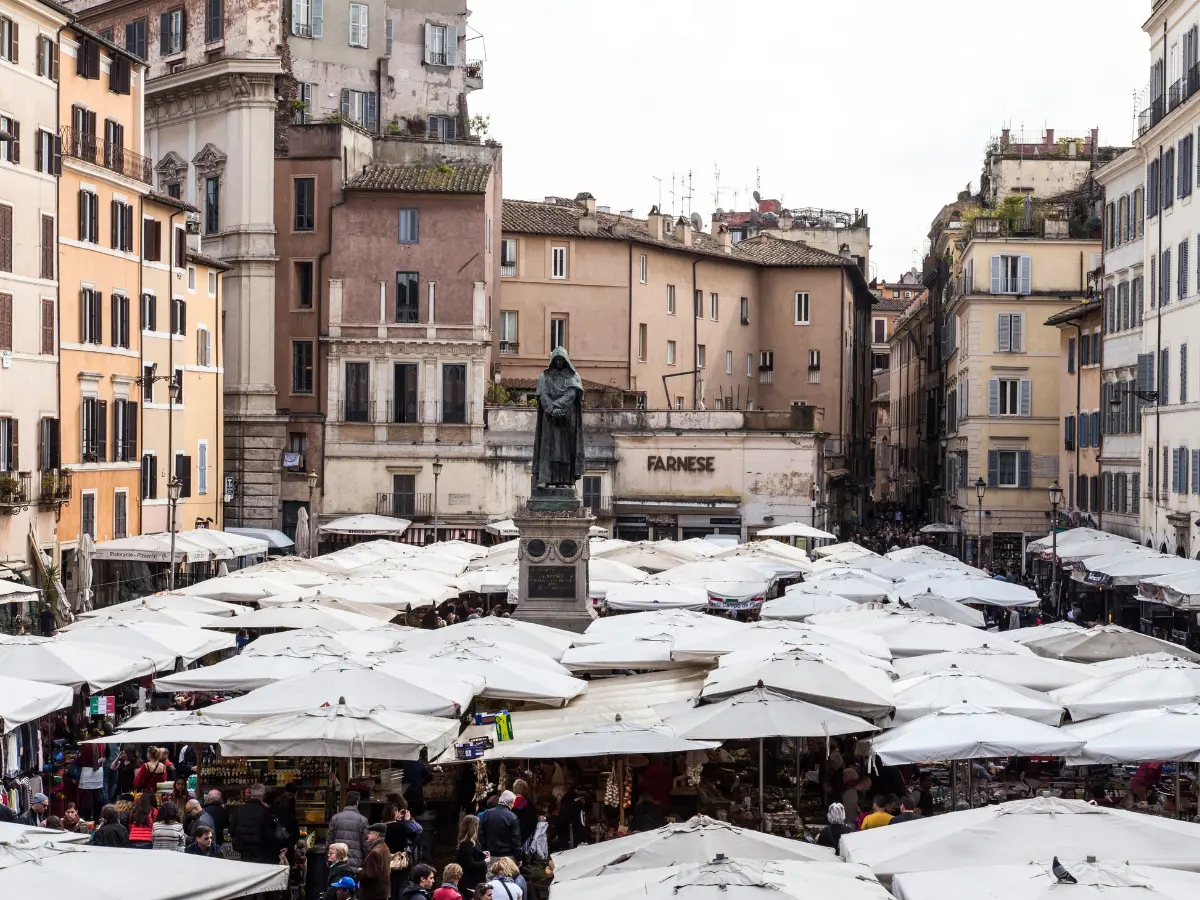 'Campo de’ Fiori is no longer a market': The transformation that no one talks about