
It is in the Natisone valleys, in the Udine area, that the gubana (gubanca in Slovenian, gubane in Friulian) was born. The regional treat par excellence, it is prepared on special occasions such as Christmas, Easter, weddings or country festivals. The dessert consists of a sweet, long-leavened dough filled with walnuts, raisins, pine nuts, sugar, grappa and lemon peel, with a characteristic snail shell-shape (the name derives from the Slovenian word guba that means ‘fold’). The recipe’s first evidence dates back to 1409, when it was served during a banquet prepared for the visiting Pope Gregory XII in Cividale del Friuli, but it was only in 1990 that the consortium for the gubana brand protection came to life. Its aim is to protect local producers by imposing specific rules and parameters to be followed in the production. A closer relative of this dessert is the smaller gubanetta, with a 7 cm diameter, as well as the Triestine presnitz, a puff pastry shell filled with the same ingredients but shaped into horseshoes.
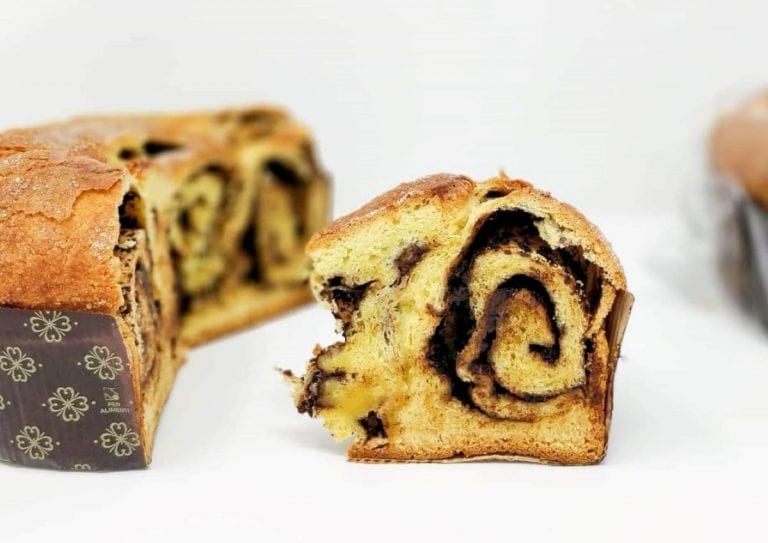
With a peculiar shape and delicious filling, here is the history of the traditional holiday treat from the very north-eastern corner of Italy.
 'Excellent products will remain excellent' – but does Old World wine have to adapt to survive?
 Why 'the rules are still being written' for non-alcoholic drinks
 'Why are we doing the same things again and again if they are not working?'
 'You cannot imagine how magnetic Etna is!'
 'To be the global platform, we must take everyone and everything into account'


More from Gambero Rosso






I authorize the processing of my personal data for the sending of commercial communications by the Joint Controller companies indicated in the privacy policy, whether part or not of Class Editori, through the use of traditional (telephone with operator, paper communications) and automated (e-mail, sms, mms, fax, telephone without operator, posts on social network accounts means including any participation in surveys and/or market analyses.
I authorize the processing of my personal data for the sending by the Joint Controller companies indicated in the privacy information, whether part or not of Class Editori, of commercial communications from third parties, belonging to the following product sectors: agriculture, insurance, banks, commerce, education, finance, industry, tourism, fashion, IT, legal/administrative, marketing, media and communication, public administration, real estate, healthcare, through the use of traditional (telephone with operator, paper communications) and automated (and -mail, sms, mms, fax, telephone without operator, posts on social network accounts) means.
Profiling also takes place through tracking technologies such as first and/or third party cookies and other tools made available by third parties, such as, for example, social networks (e.g. Meta) or third party advertising service providers (e.g. Google) possibly associating these data with those acquired as a result of my registration to the services and/or subscriptions available on the Site or on the sites of the Joint Controllers.