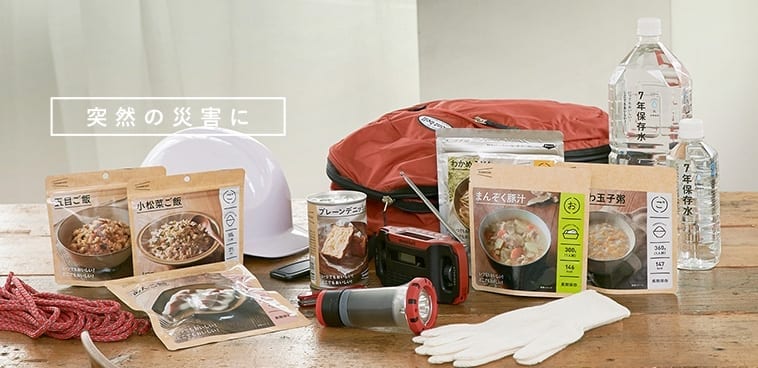

The Japanese have a single word–izameshi–for food for emergencies. But the added idea of Sugita Ace company–a manufacturer of building materials– was developing a line of tasty food for all palates respectful of an essential prerogative: a very long shelf life, for the benefit of unpredictable and/or destructive situations, with the thought association, in the specific case of Japan, immediately goes to frequent and violent earthquakes that can hit the country.
So, how do you face the end of the world in the kitchen, provided you can keep your appetite? Distributing in supermarkets products that comply with guidelines for a balanced and varied diet, but also suitable for everyday habits, in single-serving portions ready to be consumed, which draw on recipes of the Japanese home tradition.
The objective is encouraging consumers to familiarize with this kind of product, to demonstrate that even food for emergencies can be delicious, from chicken curry to Japanese stew to mention a few (there are 40 different types on the market). Without forgetting the food's functionality: subjected to innovative production and preservation methods, Sugita Ace izameshican be stored for up to 3 years.
 Why not every trattoria should be written about
 Brigitte Bardot’s final rosé: the wine that marks the end of an icon
 What you need to know about Italy's new decree on dealcoholised wine
 Why Arillo in Terrabianca's organic approach is paying off