by Beppe Monelli
Take notice, if you enter one of the many natural wine shops that have sprung up in recent months between Rome and Milan. Take a look at the shelves. Beautiful labels, with modern, innovative graphics, often in a comic book style. Imaginative names abound, like Scapigliato, Akkanna, Sbarbatello. Many lesser-known grape varieties, such as Durello, Aleatico, Chenin Blanc.
Few DOC and DOCG, which in the natural wine world are seen as an unnecessary cage, controlled by the wardens of the tasting commissions.
What's missing? The great wines.
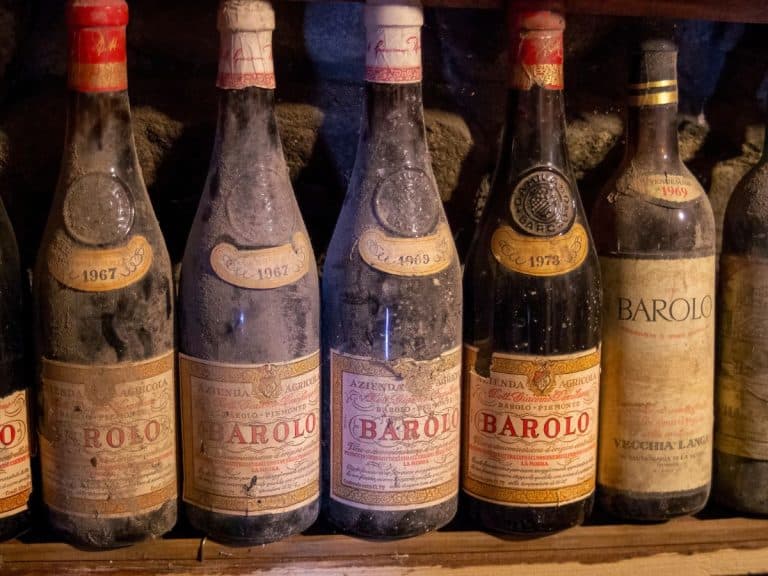
Barolo, Barbaresco, Amarone.
What happened to them?
They cost too much, and that's well known. Moreover, new consumers prefer wines with low alcohol content, little structure, low tannins, easy to drink. And to worsen the situation, natural Barolos can be counted on the fingers of one hand. At Vinnatur, the fair in Cerea, Marta Rinaldi, daughter of the legendary Citrico (Beppe), explains: "There will be at most ten producers who work naturally like us." Why? Because tradition weighs heavily. And the Langhe are expensive. Young natural producers certainly cannot start from here. And speculation is not lacking. Millions of euros have passed through since Carlìn Petrini, in 1981, launched the slogan: "Barolo is democratic, or at least it can become so!" He didn't succeed. But it has become even better, although many young people risk not knowing it. They prefer Pampanuto and Pignoletto (excellent, to be sure) and don't know what they're missing.
 Wine is changing its place at the table
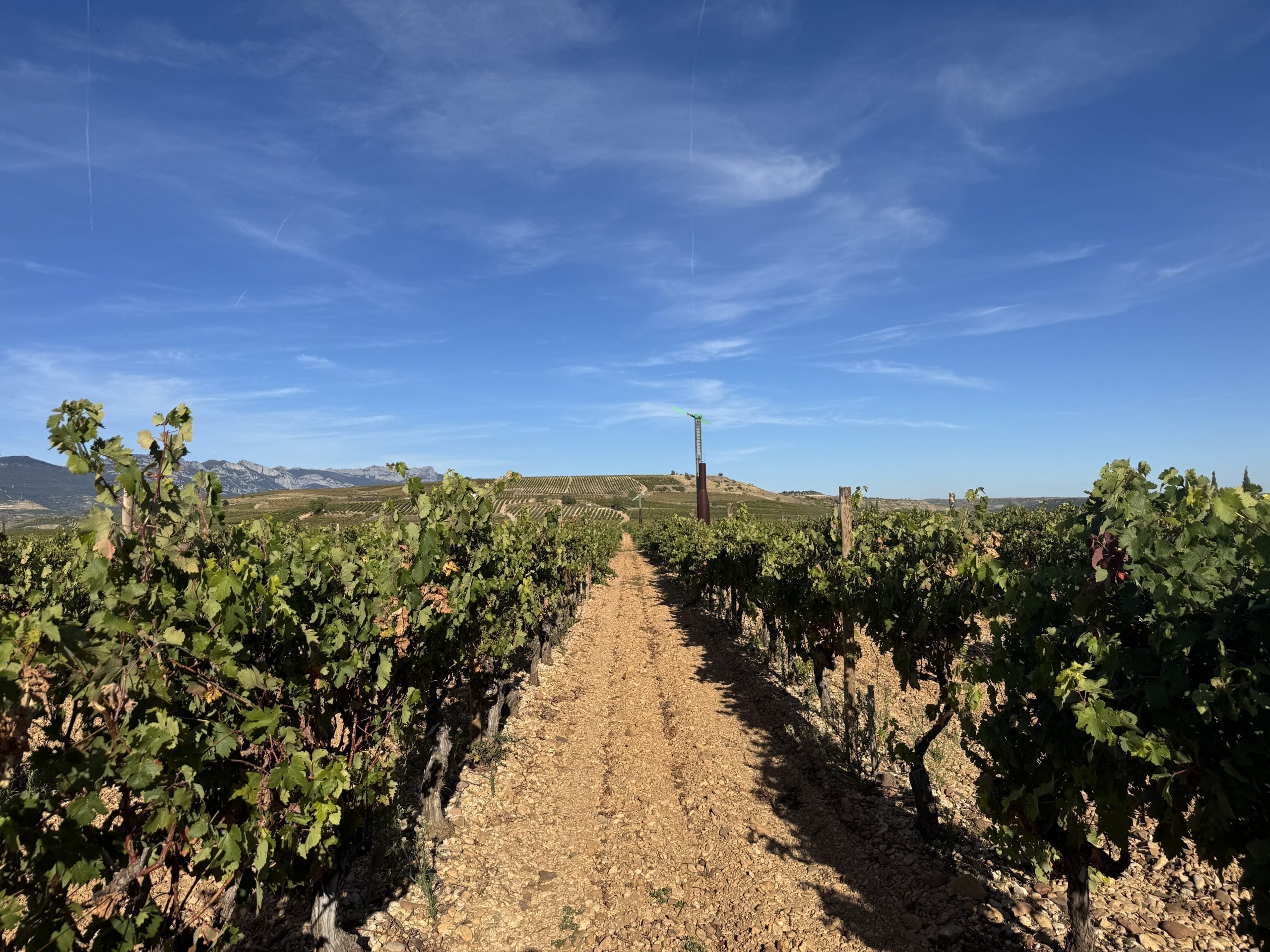 The Rioja you don’t expect: whites that keep pace with the reds
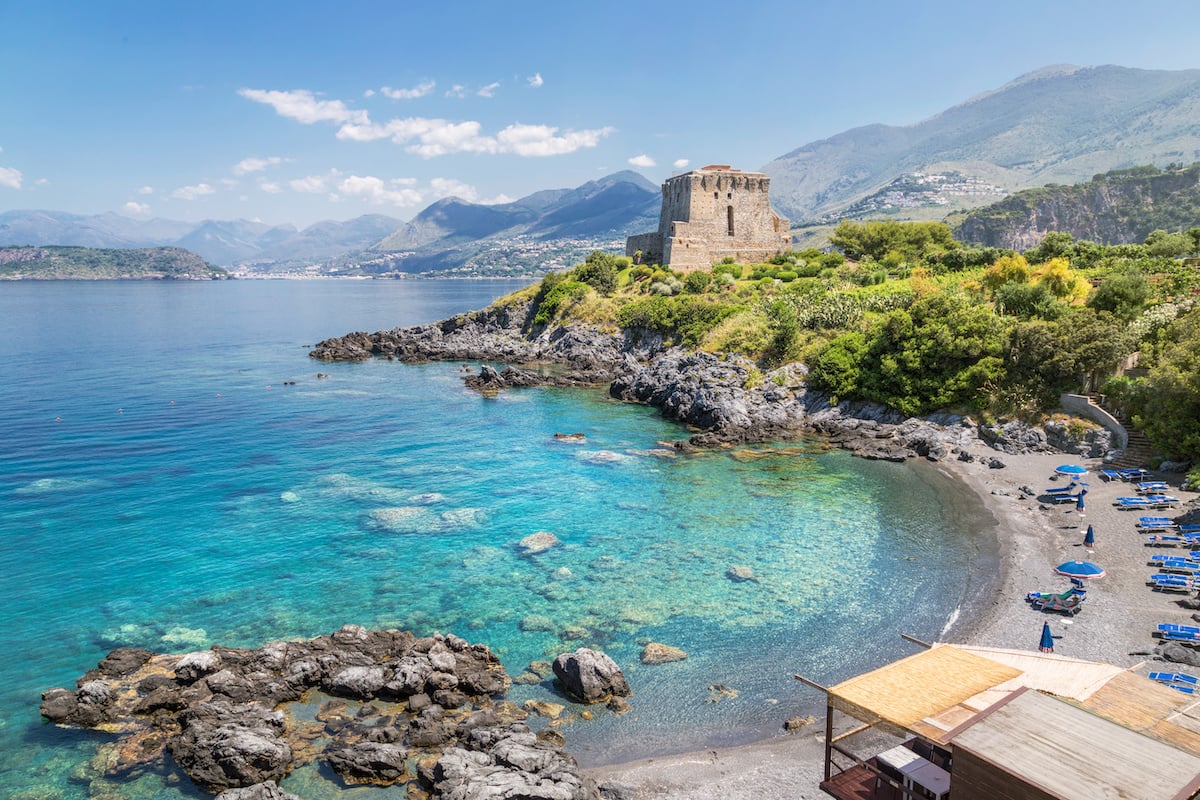 The soul of Maratea amid crystal clear sea, monuments and breathtaking views
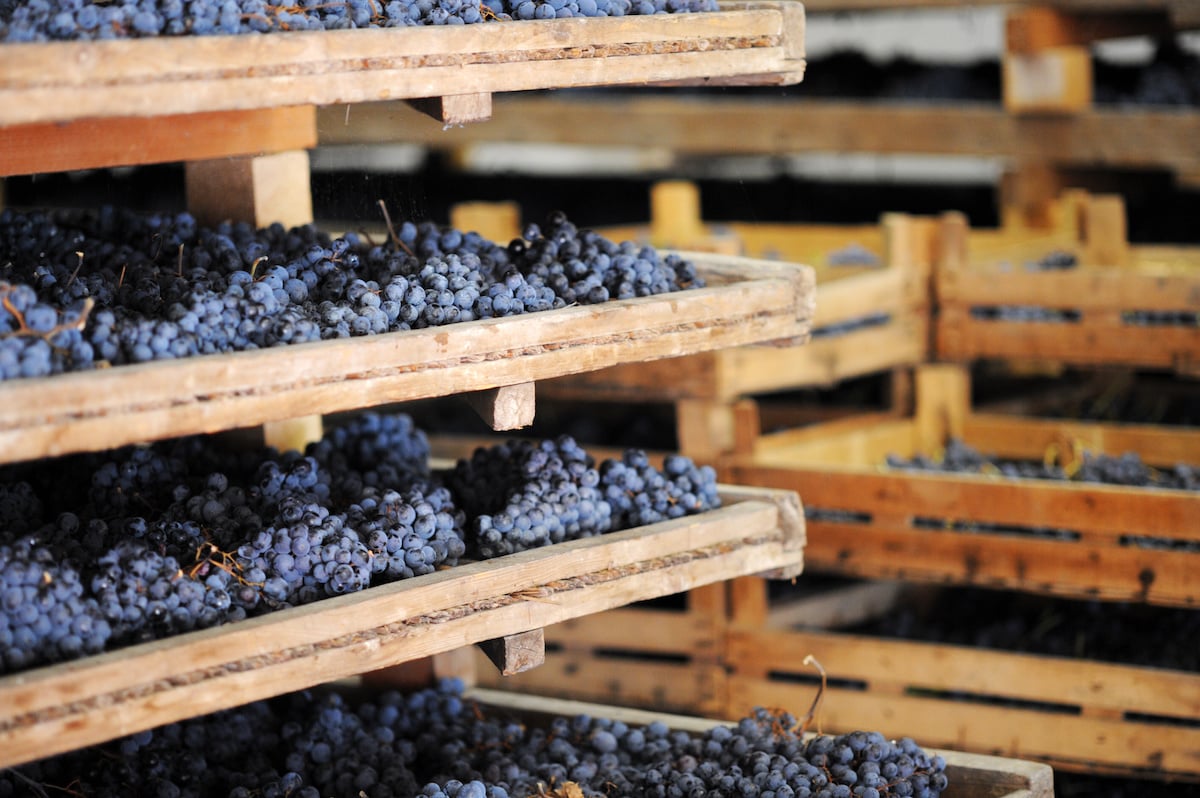 How Amarone changes its skin
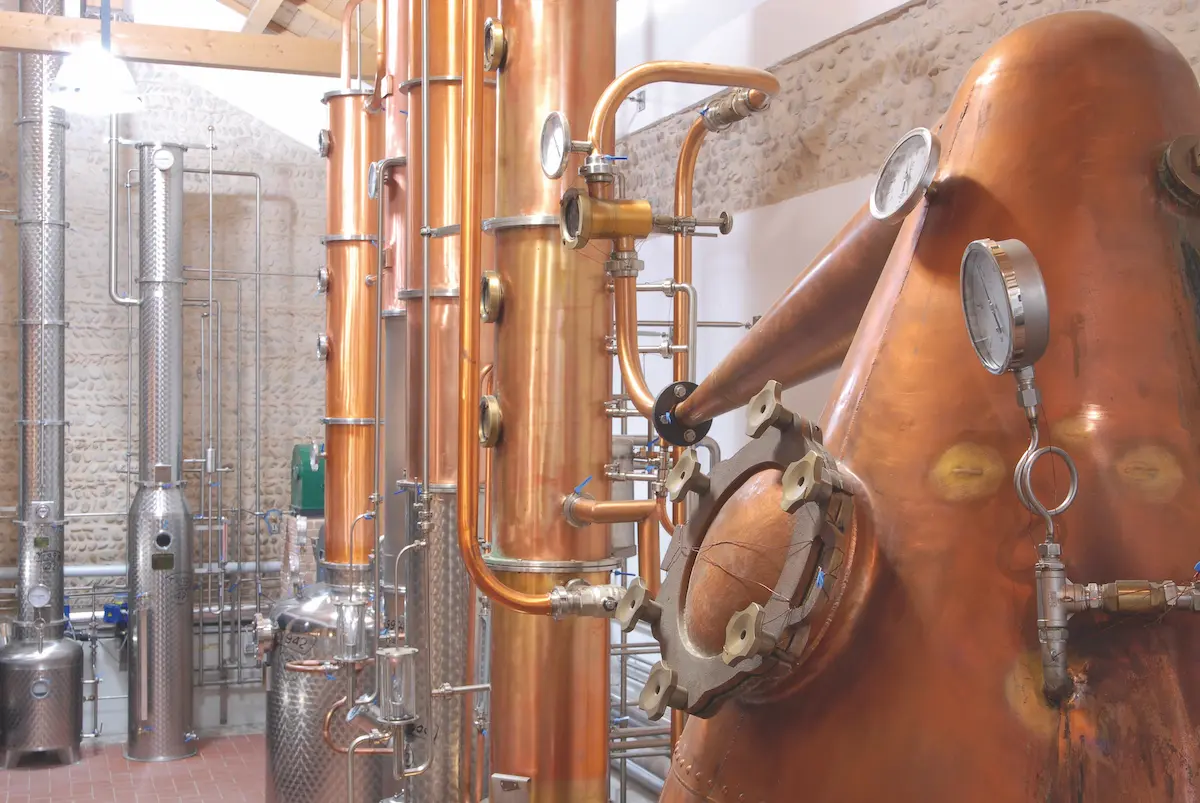 From the distillery to the global market: the numbers and identity of an Italian brand