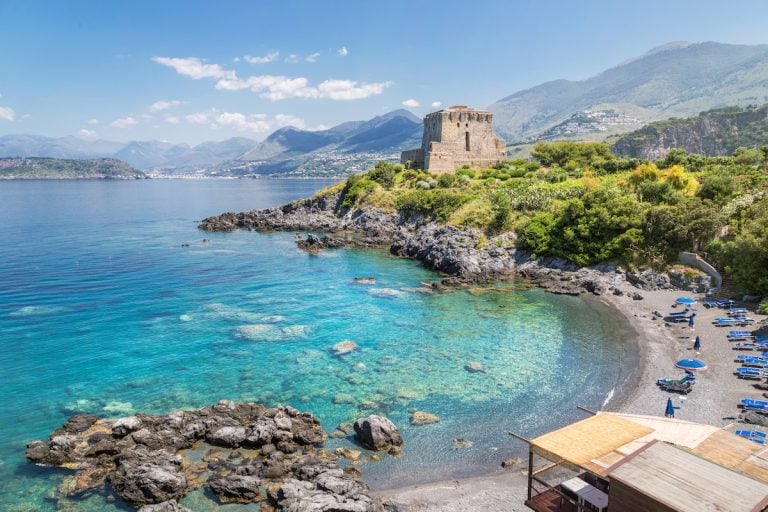
Overlooking the Tyrrhenian Sea, Maratea boasts a natural and cultural heritage of churches, folk traditions and rituals that define its identity. From legends about the origin of its name to the views of Monte San Biagio, from its wild coastline to the ancient craft of libbani, the story paints a picture of an authentic destination to be experienced at a leisurely pace, far from overtourism, where the community and the land still exist in harmony.
Overlooking the Gulf of Policastro, this town of just over four thousand inhabitants is known as "the city of 44 churches" due to its extraordinary concentration of religious buildings and their artistic value. The narrow streets, natural terraces suspended above the sea and unexpected views reveal a beauty that goes beyond the simple image of a seaside resort. Behind it, the green and lush hinterland reveals resources and traditions that are intertwined with the territory, where sea and land coexist in harmony.
Land of wild fennel
The Gulf of Policastro welcomes Maratea like a luminous embrace: wind-sculpted rocks, hidden beaches and secret coves overlook clear, turquoise waters. It is in this setting that the town of Lucania reveals itself to be a rare gem of Basilicata, capable of combining unspoilt nature, historical heritage and popular traditions. There are several hypotheses about the etymology of its name, all of them evocative. Some link it to Thea Maris, the goddess of the sea, and others to Mar-ar-Ethea, the “City of the Great Etei”, an ancient people from the Black Sea. However, the most widely accepted interpretation is that proposed by the Lucanian historian Giacomo Racioppi and confirmed by the German linguist Gerhard Rohlfs: Marath-ia, “the fennel field”, a land of wild fennel, reflecting the lush spread of this plant throughout the territory.
What to see
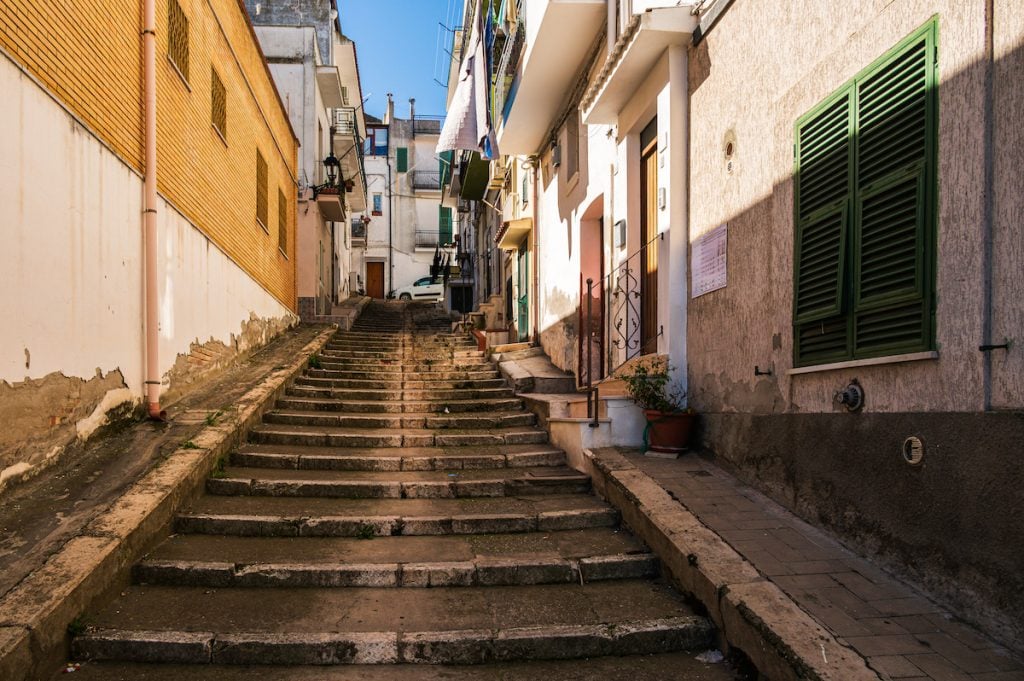
Maratea lies at the foot of Monte San Biagio, the symbolic and historical heart of the town, dominated by the monumental statue of Christ the Redeemer, 21 metres high (second only to the Christ the Redeemer statue in Rio de Janeiro), donated to the town in 1965 by Count Stefano Rivetti di Val Cervo. From here, the view encompasses the entire town and the coast below, offering one of the most evocative panoramas in southern Italy. A little further down are the remains of the ancient castle, while opposite is the Basilica of San Biagio, dating back to the 6th-7th century AD, which houses precious bas-reliefs and the sacred relics of the patron saint, protector of the throat. His most famous miracle was to save a young boy who was choking on a fish bone stuck in his windpipe, an episode that consecrated him as the patron saint against throat ailments. One of the most heartfelt festivals is dedicated to him, enlivening the city between the first Saturday and the second Sunday in May. Not far away is the small church of Madonna degli Ulivi, with frescoes from the 14th and 15th centuries, but there are 44 churches scattered throughout the historic centre: from San Vito to Santa Maria Maggiore, to the Church of the Immaculate Conception with its 14th-century fresco depicting the apostles.
Between mountains and sea, Maratea is Lucania's window onto the Tyrrhenian Sea.
From Monte Coccovello, which reaches 1,505 metres, to Monte San Biagio, the valleys and woods of holm oaks, oaks and chestnut trees open up into a rapid descent towards the coast. Here, for over 30 kilometres, sheer cliffs alternate with caves and coves that can only be reached by sea, a sea rich in life, a paradise for those who love diving and snorkelling. One of the most fascinating experiences is a visit to the Grotta delle Meraviglie (Cave of Wonders), which can be reached by land. This small karst cave contains stalactites and stalagmites shaped by time. It is a short (about 30 minutes) but intense journey, where silence amplifies the wonder. We are sure that you will also be amazed by the Skywalk, a suspended steel and glass walkway that allows you to walk in the void with crystal clear water beneath your feet and a view that stretches to the horizon, offering a fascinating view of the Tyrrhenian Sea from Basilicata, a sea that also marks some of Maratea's traditions, such as the celebration of the Madonna di Porto Salvo at the end of June, during which small boats follow the statue along the coast to the island of Santo Janni, or the production of “libbani”, ropes woven with wild herbs, once indispensable for fishing.
The Libbani, symbol of women's economic emancipation
The processing of libbani, a tradition that has been deeply rooted in women for decades, deserves special attention. Until the end of the 1970s, it was women who gathered the strands of grass (called “tagliamani” because of the extreme sharpness of the leaves) that grew along the slopes, worked them with patient and precise gestures and wove them into strong ropes, destined to travel far beyond local borders: these ropes, initially used for fishing and agriculture, became essential for mussel farming, a practice widespread along many Italian coasts, from Naples to Gaeta, from the Mar Piccolo of Taranto to the Venetian Lagoon, to La Spezia, Olbia and the Trieste coast. The libbani produced in Maratea thus reached numerous areas of Italy, contributing silently but decisively to the development of an entire industry linked to the sea. Unfortunately, the introduction of cheaper synthetic materials in the 1960s marked the end of this tradition, but it did not erase its cultural value. In recent years, thanks to restoration projects such as the Nuova Libbaneria Mediterranea, this feminine knowledge has been revived, becoming a virtuous example of how an ancient local practice can tell a broader story.
This is also how Maratea tells its story, without fanfare, with its churches, paths, traditions linked to the sea and women's craftsmanship, restoring the image of a place that has managed to preserve its identity by adapting to the times. A territory to be explored slowly, where there is no room for overtourism, where landscape and memory continue to dialogue, defining the authentic and profound character of this Lucanian view of the Tyrrhenian Sea.
On the opposite page, two dishes from I Sapori di Marianna: Risotto with wild asparagus, Pollino Podolico caciocavallo cheese fondue and Lucanian black truffle, and Midnight spaghetti with fermented black garlic, extra virgin olive oil and crusco peppers; a non-spicy, modern take on the classic garlic, oil and chilli pepper dish
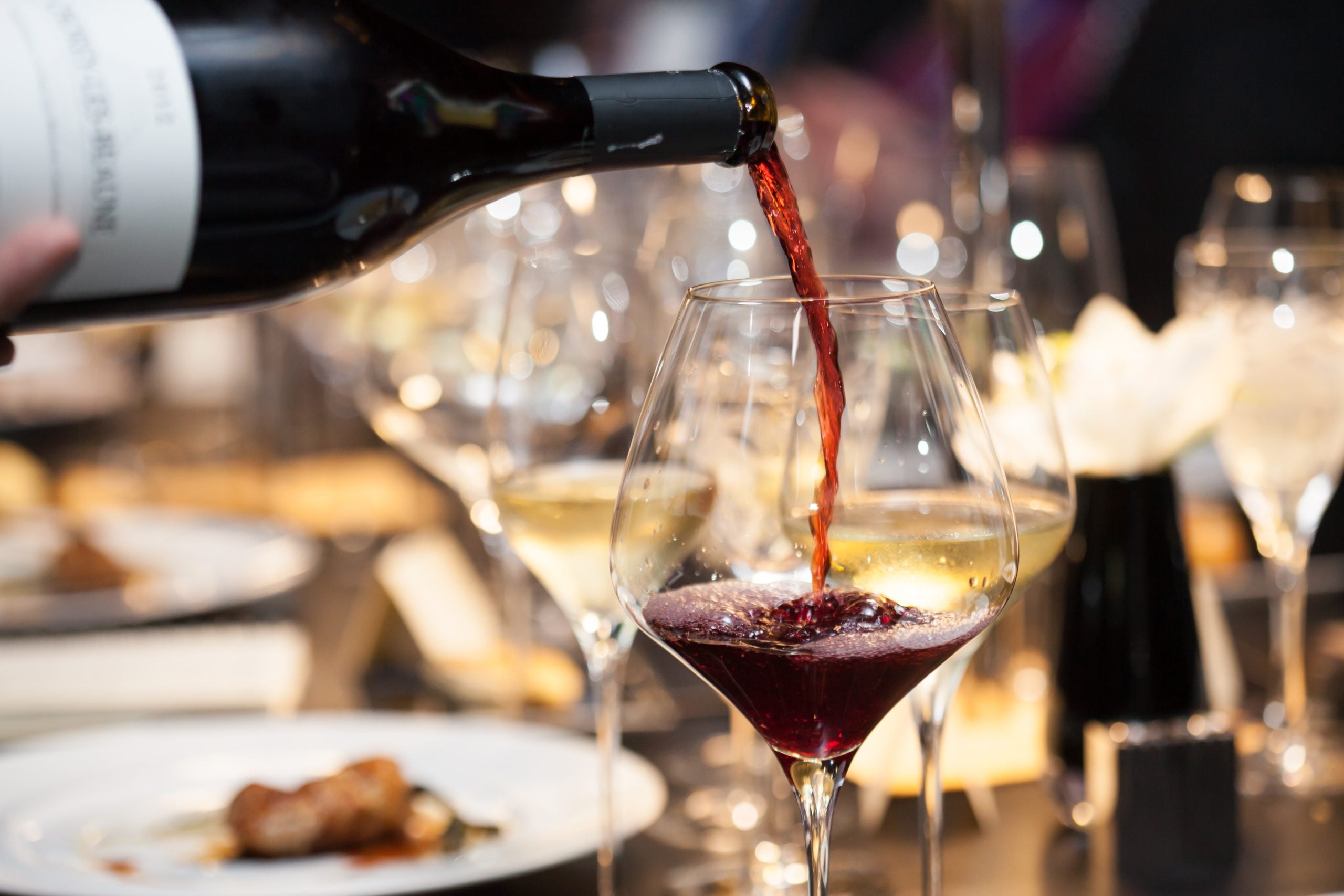 Wine is changing its place at the table
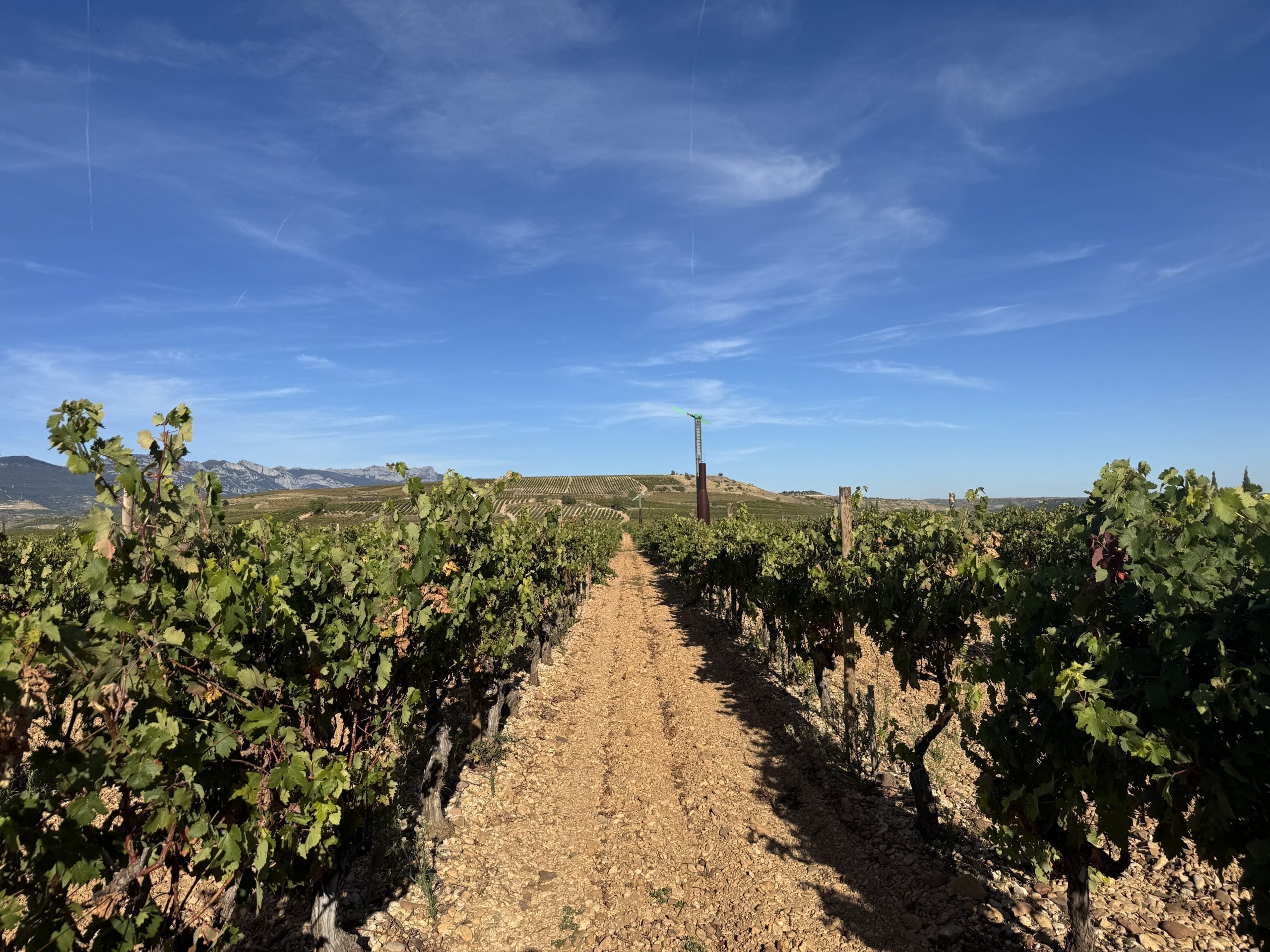 The Rioja you don’t expect: whites that keep pace with the reds
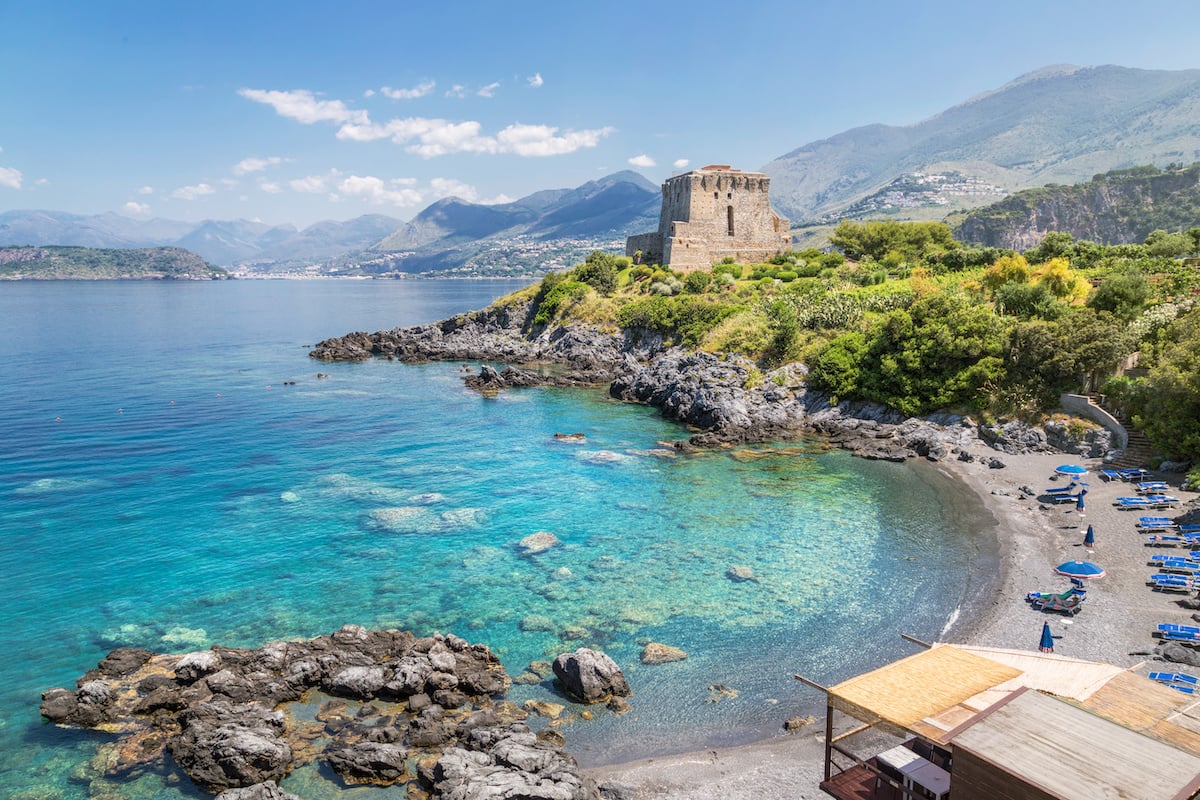 The soul of Maratea amid crystal clear sea, monuments and breathtaking views
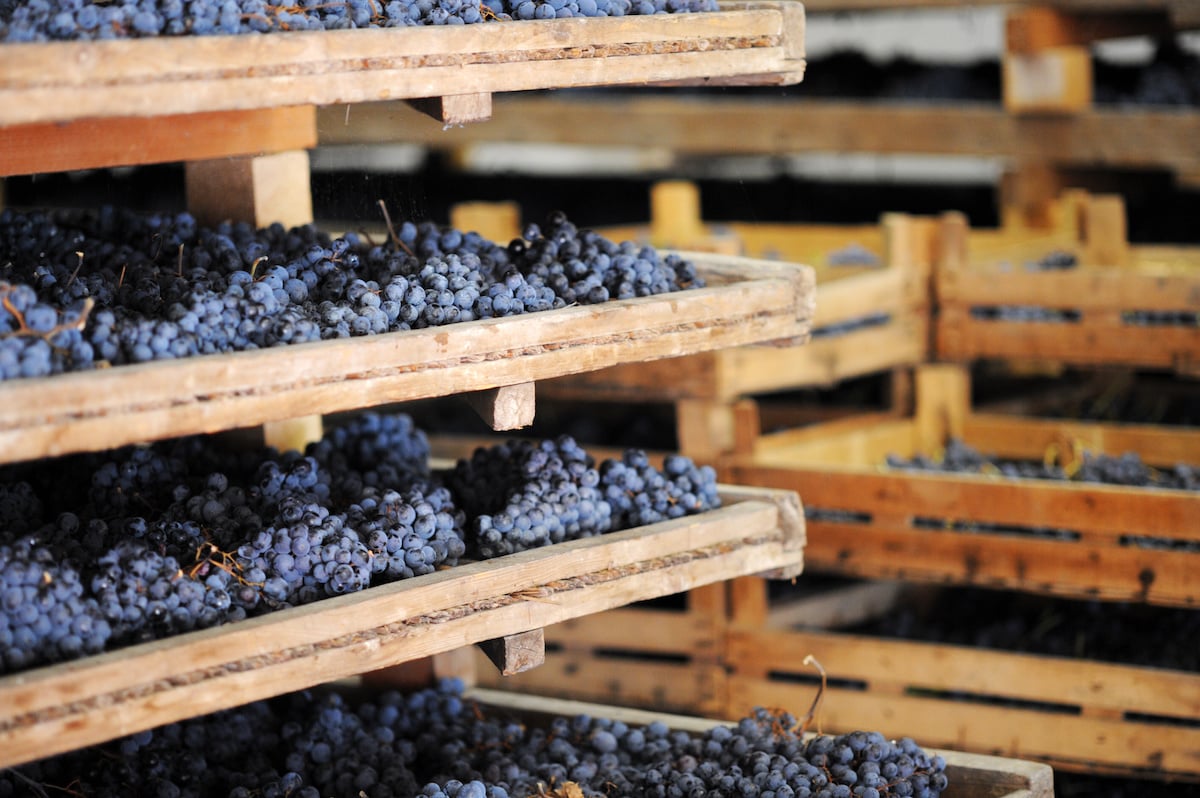 How Amarone changes its skin
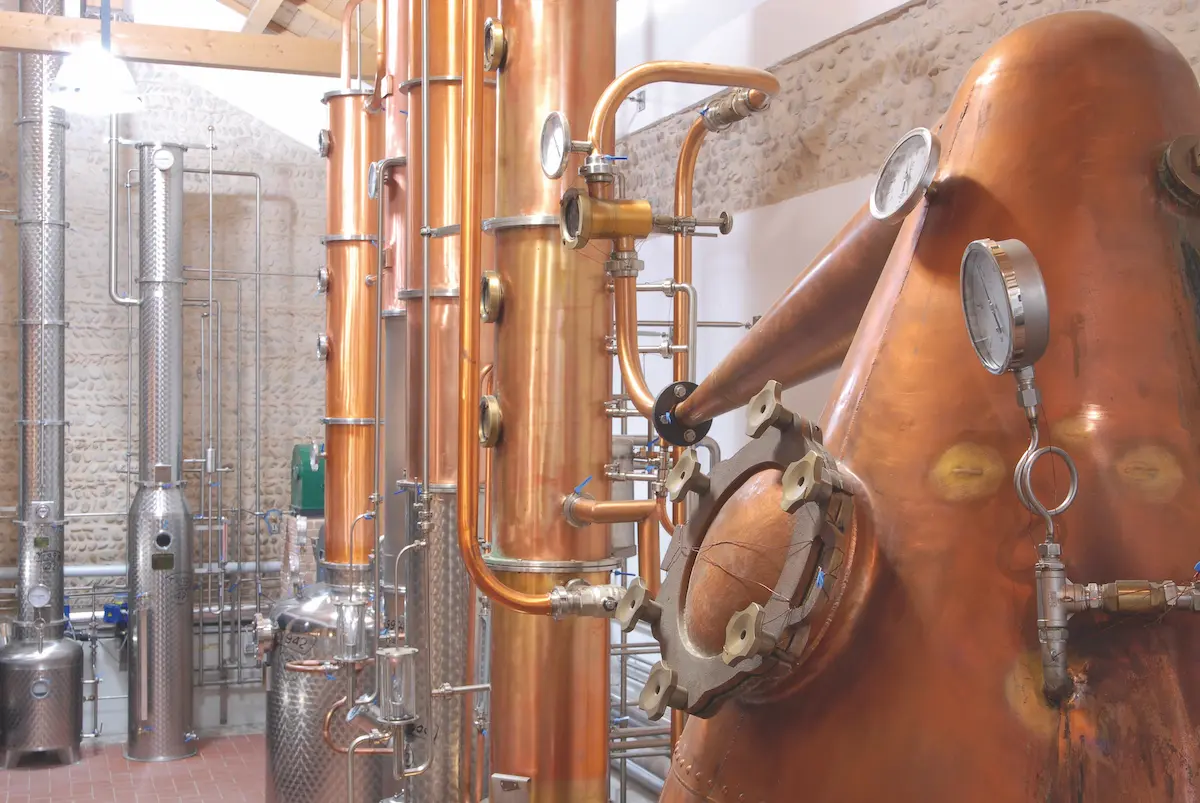 From the distillery to the global market: the numbers and identity of an Italian brand