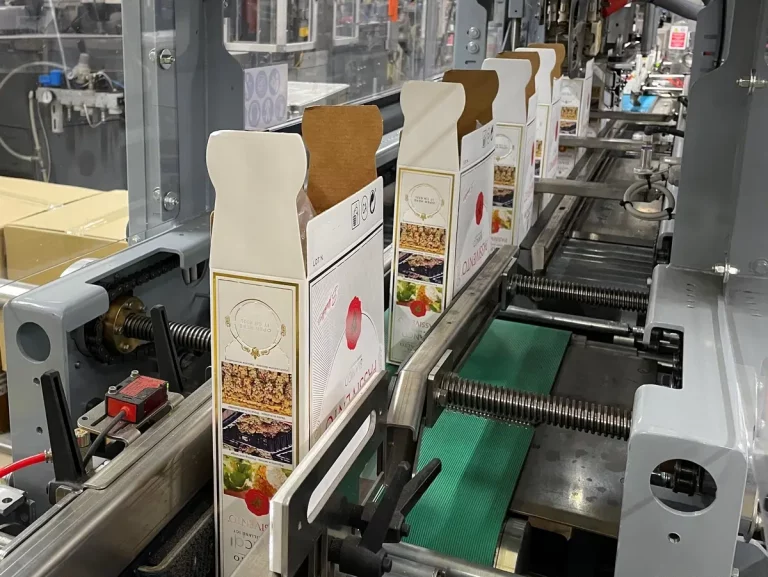
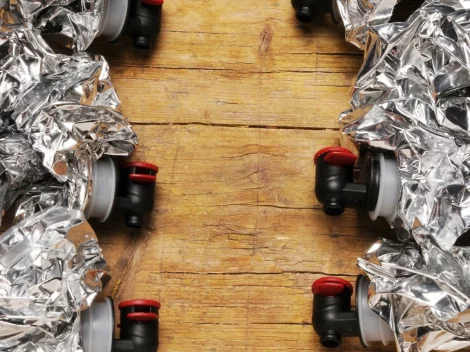
The need to gain more space in foreign markets is driving change even in the most traditionalist parts of Piedmont, a region historically tied to classic bottle formats. The Consorzio Barolo Barbaresco Alba Langhe e Dogliani has decided to allow wines under the Langhe Nebbiolo DOC to be packaged also in bag-in-box format, up to five litres. Yes, Nebbiolo itself — the grape variety behind wines of unquestioned prestige such as Barolo and Barbaresco.
Thanks to approval passed by a majority vote at the members’ assembly in recent months, the process to amend the production regulations has begun. If everything proceeds smoothly through the various institutional steps (the Region, the Ministry of Agriculture and Food Sovereignty, and the European Union), Piedmontese wineries could be allowed to label and market these new formats within two years.
Internal debate
Langhe is a denomination established in 1994 as a territorial DOC that includes all 96 municipalities in the area. It is what is known as a “fallback” denomination. In practice, as the consorzio chaired by Sergio Germano explains, vineyards planted with Nebbiolo grapes suitable for producing Barolo, Barbaresco, Roero and Nebbiolo d’Alba have always been harvested by separating the grapes destined for those wines from those used to vinify Langhe Nebbiolo DOC.
This decision, backed by the majority of producers, was not an easy one. It followed a heated internal debate between those in favour and those who argued — and continue to argue — that such a move could damage the image of the territory. The supply chain is no stranger to discussion, as seen a year ago when the relocation of vineyards to the northern slopes was debated. In the end, however, economic considerations prevailed.
New opportunities and environmental sustainability
The reasons behind this change — which offers wineries an additional packaging option — are entirely linked to market opportunities, as President Germano himself underlined in an interview with La Repubblica.
The Consortium aims to tap into foreign markets, starting with the Scandinavian countries and Northern Europe more broadly, where the bag-in-box format is widely used and in demand. Another key factor is environmental sustainability, an issue close to consumers’ hearts: the cardboard used for bag-in-box packaging is much lighter than glass bottles and, with an average weight of around 400 grams, can hold five litres of wine. This also brings advantages in transport and related costs — a factor not to be underestimated at a time of market crisis, particularly for red varieties, including those from Piedmont.
The topic is sure to be revisited at Grandi Langhe 2026, the event dedicated to the denominations protected by the Consortium, scheduled to take place in Turin on 26 and 27 January.
 Wine is changing its place at the table
 The Rioja you don’t expect: whites that keep pace with the reds
 The soul of Maratea amid crystal clear sea, monuments and breathtaking views
 How Amarone changes its skin
 From the distillery to the global market: the numbers and identity of an Italian brand