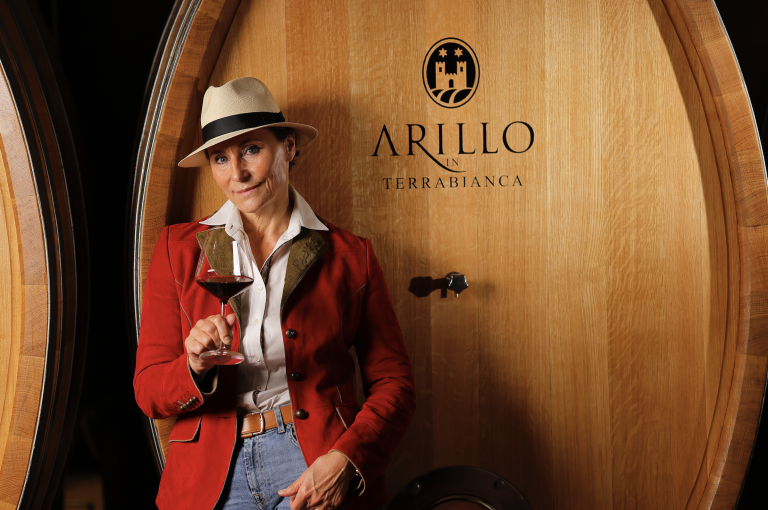
"We believe that if we give respect, we receive excellence," says estate co-owner Adriana Burkard.
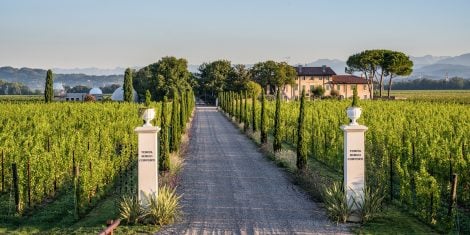
Acquired by the Italo-Swiss Burkard family in 2019, Arillo in Terrabianca has three estates: Terrabianca in Radda, Chianti Classico, Tesoro in Upper Maremma, and Colle Brezza, which sits in Val d'Orcia, close to Pienza.
“When we entered into ownership of the winery, it was conventionally farmed, we shifted it to organic," Burkard shares. "We have been using a visionary pioneer of agronomy, Ruggero Mazzilli, who has helped us to implement a smart organic agriculture – we still cooperate with him, and the results are here. This also helps us to express the identity of our terroir.”
Organic mindset
Arillo in Terrabianca is certainly not lacking certifications to show its hard work in the last few years, with the company now holding Equalitas stamp of approval, Bioagricert and, away from the vineyard, 127 hectares of forest are FSC (Forest Stewardship Council) certified.
“When you switch from regular farming to organic farming, you start to think in a different way. It’s not about working to a calendar, but rather about using your eyes in the vineyard to make decisions based on what you see. It’s an investment into the quality of your wine that starts with your soil, the soil is the pillar of everything. It’s not something that happens overnight, it takes years," remarks the winery's CEO, Alberto Fusi.
“You cannot do organic farming everywhere, it’s only possible for a niche," he continues. "It can only be done where the land allows you to do it – we are lucky to work in three areas suited to it.”
These three territories triangulate to form what Brukard refers to as the "Tuscan Theorem" – the natural particularities of each zone leave an impression on each estate's wines. One such wine which gained the prestigious recognition of being worthy of Tre Bicchieri from Gambero Rosso's latest Vini d'Italia guide was its 2022 Sacello Chianti Classico DOCG.
"Organic viticulture requires much more intensive management, we have to be much more careful and respectful, especially during the harvest, than you can be doing conventional agriculture," adds Burkard.
Harvest 2025
Regarding the harvest just gone, Arillo in Terrabianca's production was, overall, positive in terms of quantity and quality.
“We have three completely different growing environments, even if they are only an hour or two away from one another," Fusi shares. "Starting from Radda, we had a very beautiful harvest – we had to push the grapes for a long time and, despite the rain, we had good quantity and quality. In Pienza, I would say it was similar – a later harvest, at the beginning of October, but the ripeness was very good. In Maremma it was a little bit difficult, as we start earlier because we make whites and rosés – we were harvesting at the end of August, and then we had some rain, which is always difficult during the harvest."
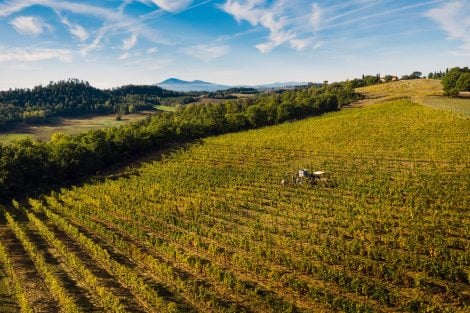
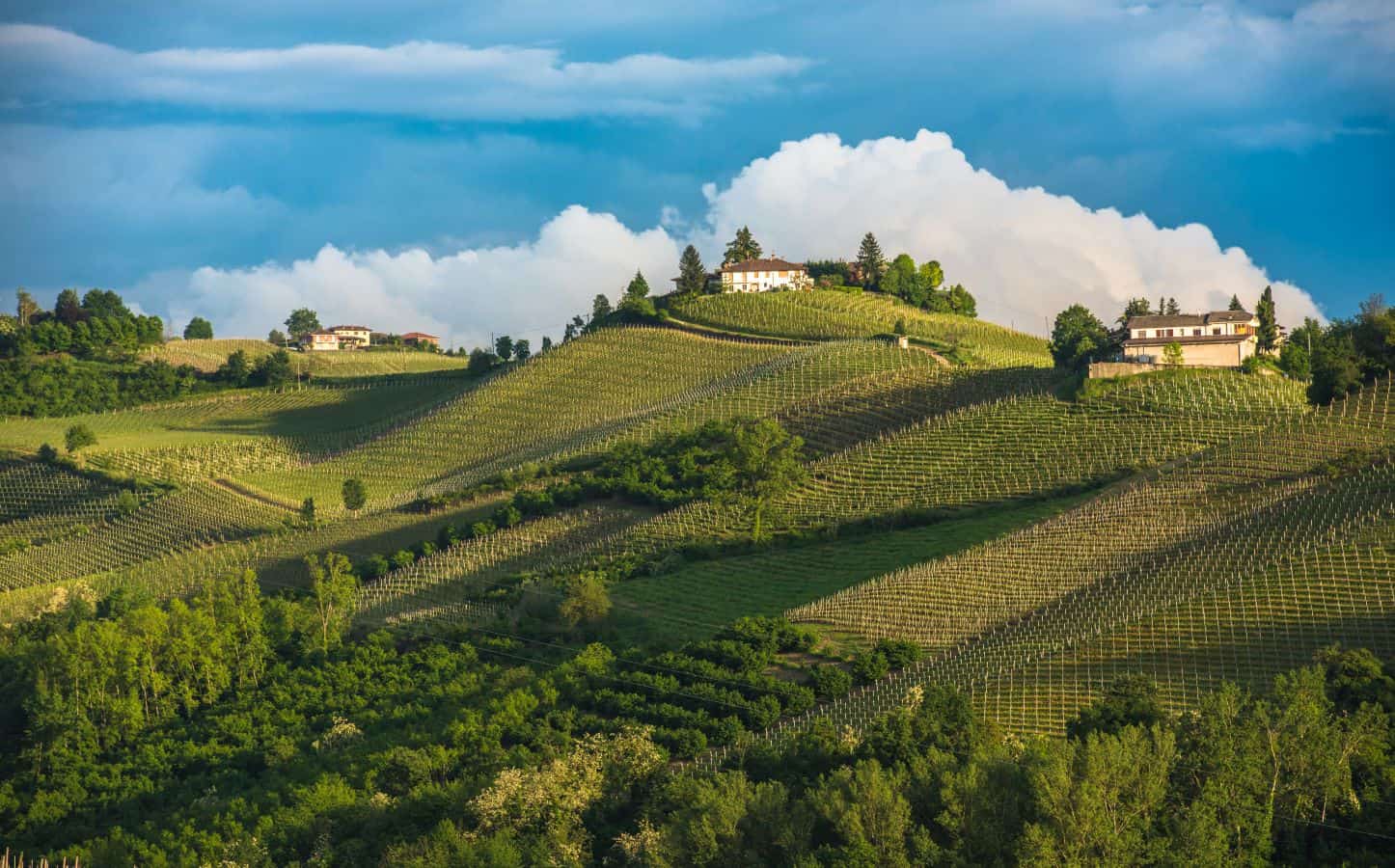
The Colle Brezza vineyard
Although Arillo in Terrabianca cultivates varieties ranging from Viognier to Petit Verdot in some plots, the star is Sangiovese, and Fusi argues that this most famous of Tuscan grapes is reaping the benefits of the company's respectful approach to vineyard management.
"With Chardonnay, Merlot and Cabernet Sauvignon, those are international varieties that tend to have a certain profile, regardless of where they’re coming from. With Sangiovese, it’s a very plastic grape that can bend according to what you want to do – more extraction for deeper and bolder wine, less for a more vertical one," he says.
Sangiovese's great asset is its ability to mirror where it is cultivated.
"For us," continues Fusi, "we want the wines to express the terroir as strongly as possible. We want people to be able to feel the land where it comes from: elegance and verticality from Radda, saltiness and minerality in Maremma, and a ‘Brunello style’ in Pienza. You have to follow the path of the grape without changing it."
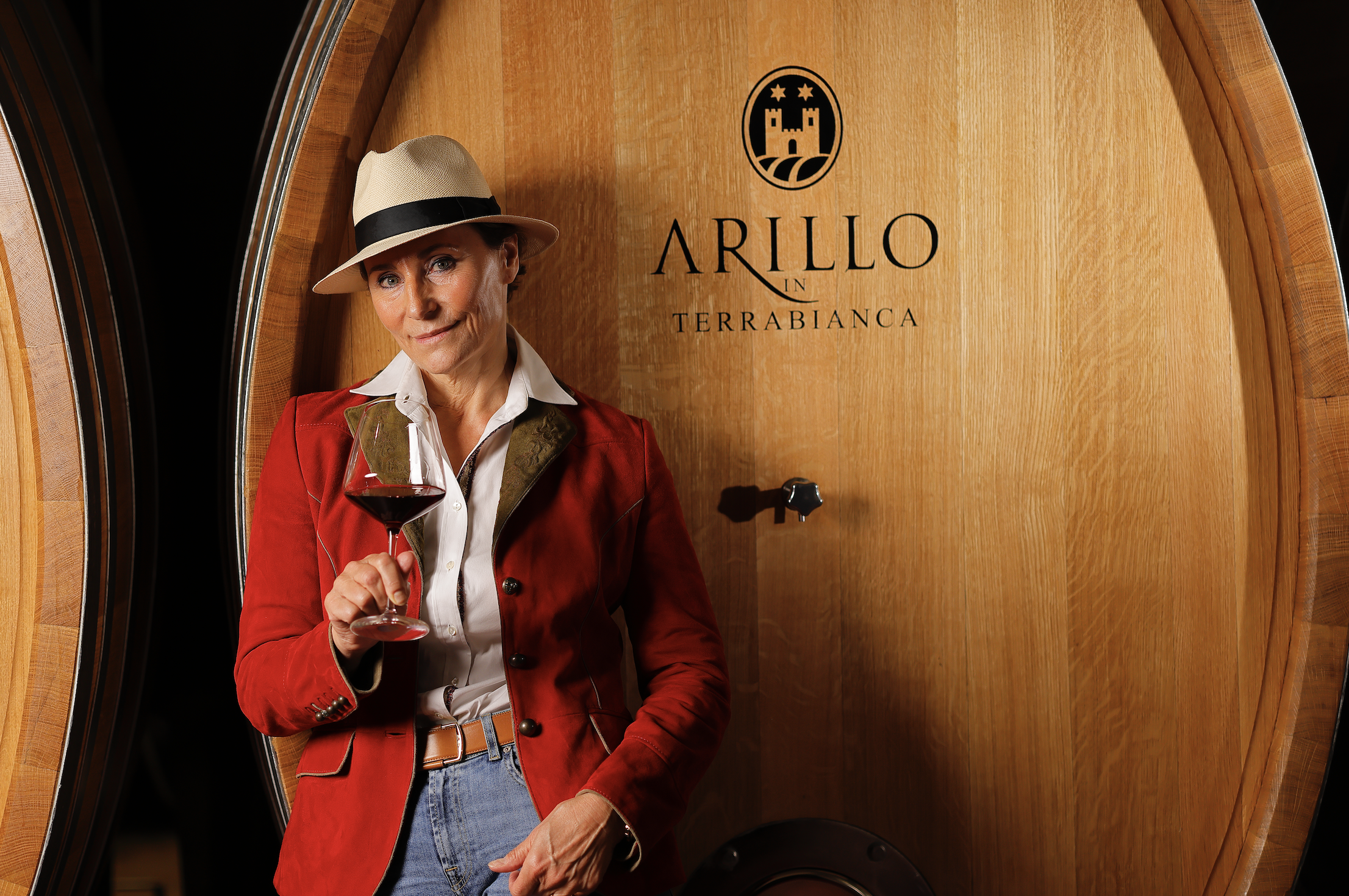 Why Arillo in Terrabianca's organic approach is paying off
 What do sommeliers drink at Christmas?
 The alpine hotel where you can enjoy outstanding mountain cuisine
 Io Saturnalia! How to celebrate the festive season like an Ancient Roman
 The UNESCO effect: tourism is growing, but there is a risk of losing identity