
"It started off as an interest in the Mediterranean lifestyle. I’ve always had a personal enjoyment of olives and olive oil."
The Fens are a far cry from Puglia or Greece, but with climate change this flat, marshy region, about a three hour drive north of London, is host to a fascinating experiment with Mediterranean agriculture.
"I was looking for crops to grow on the farm that would be more tolerant of the drier and warmer conditions we are getting," explains Hoyles, whose family have been farming in South Lincolnshire since the mid-18th century. "We could manage the dryness thanks to investment over the last eight years in three reservoirs to collect excess winter rainfall, so we can mitigate that risk, but higher temperatures were still affecting the crops. Vineyards were doing very well in the UK, but our soil type wasn’t suited to those. By chance, when I was on a farming trip to Italy I saw some intensive olive production on some soil very similar to our own and I thought that olives might be the thing."
Getting started
The Hoyles family's agricultural experience is extensive – growing winter wheat for seed production and animal feed, cultivating vegetables for the supermarkets, producing sugar beet that is processed into sugar, and supplying mustard seeds for Colman's of Norwich (something it has done for more than a century) – but the olive adventure is something truly novel.
"It was going to be a bit of a folly – relatively low scale with just a few hundred trees close to my house – but after Brexit the import costs and various licenses became pretty steep, so it was easier to go to scale, but that size of investment meant that I had to be more professional about it," explains Hoyles.
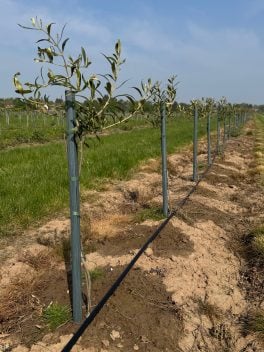
In 2022, he began researching which olive varieties to plant and met with growers in Italy and Spain to seek advice. Although he cannot disclose which varieties he settled on, Hoyles shares the key consideration when choosing what to plant: "Regardless of how high-yielding they [the olives] are, the important thing is that they can survive the UK climate".
"In 2023, I put the order for 18,000 trees in with the plant breeder and imported an olive tree-planting machine from Italy and set up precision irrigation. In May 2024 we planted the trees and progressed from there," he says.
Counting costs
Of course, none of this is cheap.
"I don’t know what the true cost of production is yet. For the first three years it works out at more than £1,000 per bottle, but we don’t know if we’re going to get a harvest every year, how big it will be etc. There are so many unknowns. We’re very fortunate that the biggest part of the olive grove investment, the 10 hectares of land, we already had in hand," explains Hoyles.
"If you were an investor, you wouldn’t invest in English olive oil production because there’s too much risk that you won’t see a return on that investment," he argues. "I’m doing it because I’m fortunate enough to live on a family farm, I want to mitigate the effects of climate change, I want to have my own brand to fix my own retail point, and I want to give family members succession opportunities."
Image credit: Studio Optic
"The other crops are still the main part of our business and have made the investment in the olives possible," he adds.
Hoyles envisages the customer base for The English Olive Company's products as being the "foodie market", with the relatively high price of £20 for a 250 millilitre bottle reflecting the product's rarity.
"If production and volume allows, we will then push that out to like-minded people in businesses like restaurants and farm shops. My day job is producing crops for supermarkets, but this project is to have our own brand and fix our own price point – it is going to be niche."
Climatic challenges
Being the most-northerly commercial olive oil producer in the world, The English Olive Company does have to contend with the cold, even though the climate is generally getting warmer.
"In February 2025 we got down to -6°C, then we had a fantastic spring and summer. This year has been colder, down to -8°C, but most the trees are another year older – we did replant around 400 which had died either through frost or being eaten by deer and brown hair. The younger trees which were only planted last spring weren’t looking too happy in the frost, but the bigger, older trees fared better – some of the leaves will probably shrivel up and die, creating a bit more branching, but we can prune our way out of that."
"It’s far too early to say what will happen," he adds, "but the bigger influence will be from April-May onwards, when the plant enters its reproductive stage and begins to flower. We need to give the plant the best chance for fruit set. We had an awful lot of flowers last year, but the fruit levels were down, though after talking to colleagues in the industry, it seems that's relatively normal. If we get nice bright days with not too much wind during flowering, then they’ll have a better chance of producing more fruit."
But, as cold as recent weeks have been, it was late last year that disaster struck due to an unfortunate coincidence of missing equipment and poor conditions.
"The delivery of the olive oil press we had ordered was delayed, and then we had some bad weather in November, frost and storms, and we lost more than half of the olives off the tree while we were waiting for the machine to arrive, but that won’t happen again because we now have the machine in situ," shares Hoyles.
"If people can tell me what the weather’s going to do in the next 10 years that would be brilliant," he jokes.
What the future holds
Hoyles is one of a handful of farmers attempting to grow olives for olive oil in the UK, although the others are working in the south of England in places such as Essex and Cornwall, whereas The English Olive Company is pushing the latitudinal limit in Lincolnshire.
Asked about the reaction from the Italian olive farmers he has consulted for advice on this remarkable project, he says: "They were very intrigued, but they saw how serious I was. A few of the people I met have been so generous with their time, sharing their knowledge and enthusiasm. They became more intrigued and when they realised the level I wanted to go at, then they were quite excited – initially they thought I was 'a crazy Englishman giving it a go’, but when they visited our farm and saw our attention to detail, they realised that English olive oil can be a reality."

Image credit: Studio Optic
However, don't expect to see huge olive groves being planted from Land's End to the Norfolk Broads anytime soon – the industry is still germinating.
Perhaps a parallel could be made with the steady emergence of English wine which was then followed by a viticultural boom: “We’ve got to remember that there were pioneers in English wine who planted their vineyards in the 1980s, and their businesses have slowly grown. I think there will be a similar road for English olive oil, though at a smaller scale because the risks are higher."
For Hoyles, making English olive oil production commercially viable is a work in progress: "We’ve made an awful lot of mistakes and we’ve had quite a lot of success as well, we just need to keep on learning. Time will tell."
 'You have to let British people fall in love with Italy'
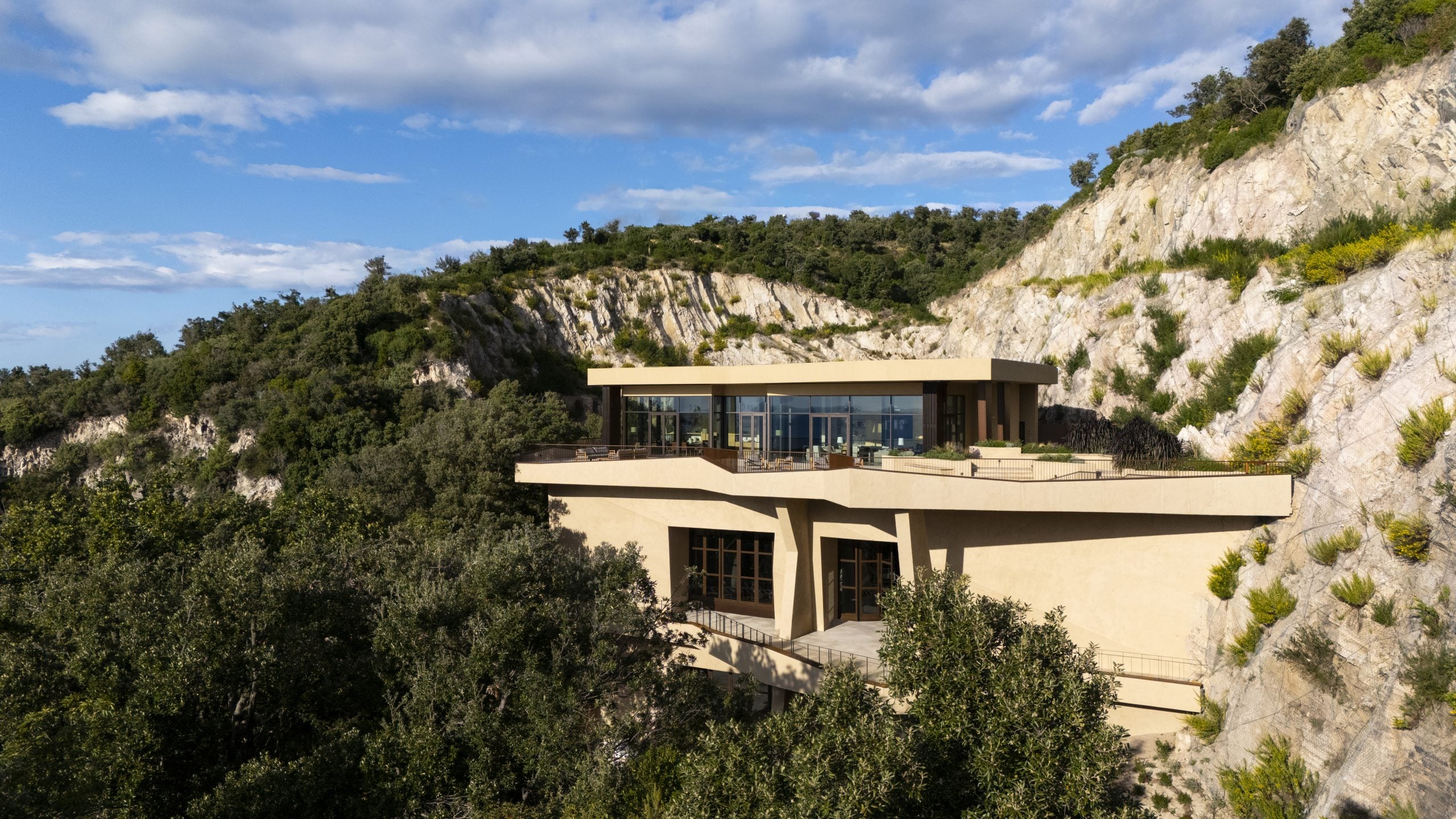 Why ABFV Italy chose a quarry for its new Bolgheri winery
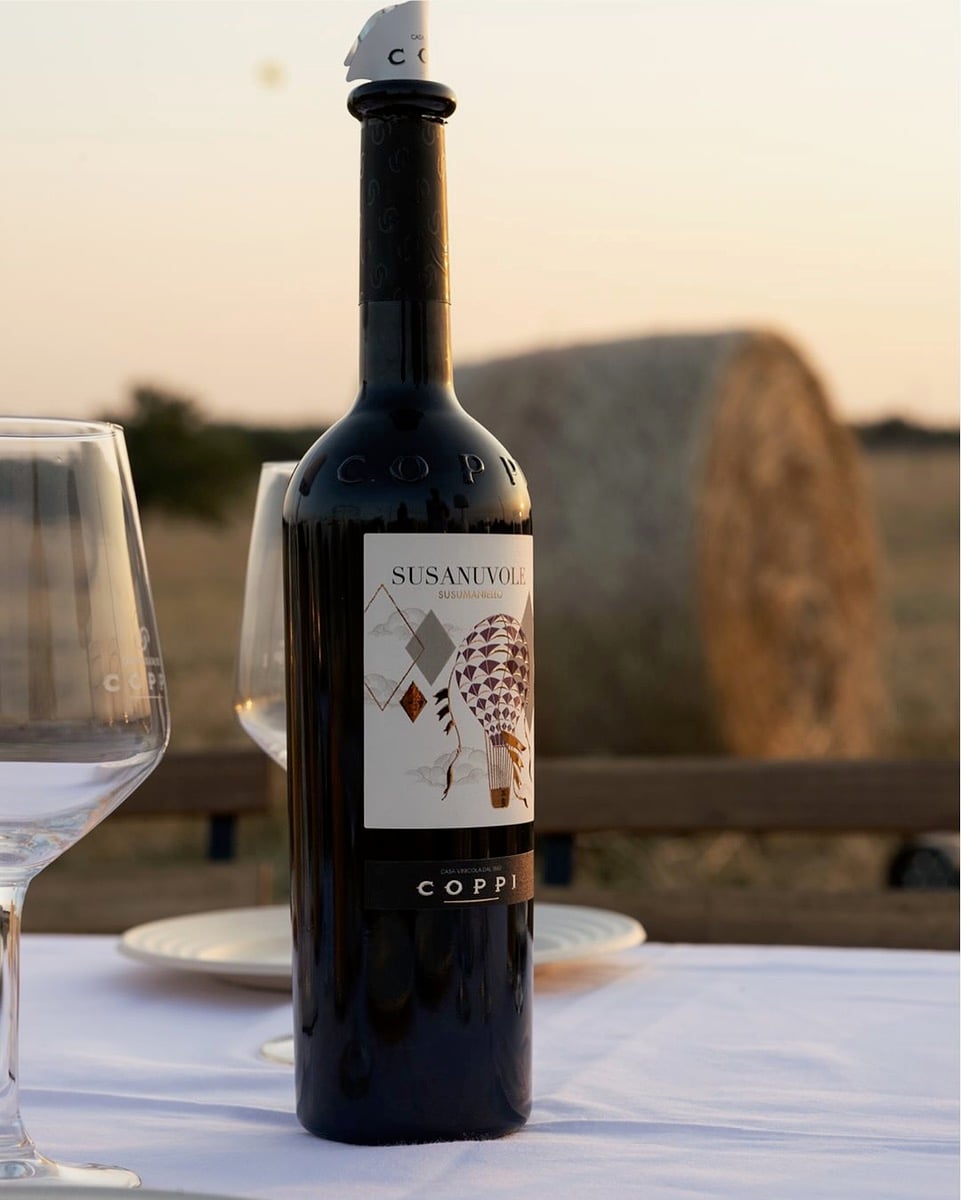 Casa Vinicola Coppi pays tribute to its founder with forgotten grape variety
 How ultraviolet rays can improve wine
 What is Ormeasco?