You were recently in The Times discussing how the cost of a bottle of wine in a UK restaurant has shot up by 40% in recent years in the UK. As a sommelier, is it possible to navigate this landscape of soaring costs and high duties on alcohol?
It certainly feels 40% more stressful to execute a wine programme than it did five years ago. The costs are especially unavoidable with climate change. Chablis is having a terrible time, for example. When three out of five vintages are duds, of course you have to put prices up. But there are also the deliberate choices in the UK: the alcohol duty rises, the VAT rises, the paperwork associated with Brexit. Some importers now have to hire entire teams to go through that paperwork. It is true that sommeliers have to find better value, but many of the wines you are able to list in that £30-40 bracket are either bad wines or they’re all under screwcaps, which don’t look or feel suitably ceremonious!
Wine drinkers, especially those who have been to bars and restaurants in Italy, France and Spain, often complain about the price of going out in London...
Some people have said that restaurateurs choose to price their wines with high margins and that we could choose not to, as happens in Paris. But the business models for a lot of restaurants in mainland Europe are completely different: they are closed for much of the week, which proves that their rents and operational costs are lower. Sune is open for six days a week but really it should be seven – but we need a day every week to prepare in the kitchen. It’s not restaurateurs wanting to make more money, it’s the reality of the business.
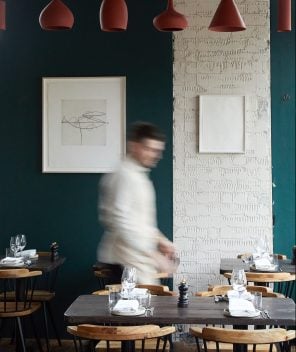
With today's trend of drinking in moderation coupled with reduced consumer spending power, how does Sune's wine offering address this?
We introduced half-litre carafes, which is always a bit risky as you would hope that diners wouldn’t downgrade from a bottle to a carafe, but it would be an upgrade from two glasses. It’s our way of offering cheaper wine. Certainly at lunch it’s more about moderation, but it’s also a cultural trend too – we probably sell most of our carafes outside during the summer, because it feels very European, even though you're next to Regent's Canal. Of course, price is still a factor.
But there are glimmers of positivity. A recent report from Liberty Wines argued that wine sales could grow in the premium on-trade – in fact, Italian still wine's share of the premium on-trade grew by 2% between 2019 and 2024, compared to the 2% decline in French still wine's share...
I wonder if premium wines are generally doing better because of some of the strategies we’ve adapted at places like Sune. With the wines at the higher end of the list, I’m not even trying to make a percentage margin on those, just a fixed cash margin that descends from the £95 mark. It means that people can enjoy great wines if they’re willing to spend that amount. It’s a bit of a negotiation.
Is it hard to sell high-end wines to diners in East London?
It’s more of a challenge to sell classic wine here with a higher price point. Of course, you get people drifting through who want a Chablis or Barolo, but it’s much easier for us to sell high-end natural wines. East London is more experimental when it comes to natural wines, skin contact and wines from emerging regions, such as Savoie and the Auvergne. Because we’ve only got 100 wines – we’re capped by storage space – it challenges us. We actually sell across the list in a very balanced way, I’ve never worked anywhere where that’s the case more than it is here, which says a lot about the team’s investment in the list as a whole, not just specific entries.
East London is a natural wine hotspot, but it's certainly a divisive category. How do you find natural wines which are simultaneously characterful but don't alienate more 'traditional' wine drinkers?
I’m always very protective of the guest experience. Early in my wine career, which were the early days of natural wine in London, there were some really bad ones on the market, even though the category was only very niche. There was a defensive attitude of ‘you should like it because it’s natural’, and that’s put a lot of people off – the boomers have never forgiven us! Ultimately, when you work in hospitality it’s not about pushing your own agenda and your own taste, it’s about making sure that your guest leaves the world at the door and when they walk out they feel better than when they came in, and that involves finding them a glass of wine that they will love. Maybe there’s a little education involved, maybe they want to try something a little different, but it’s not about arguing with them.
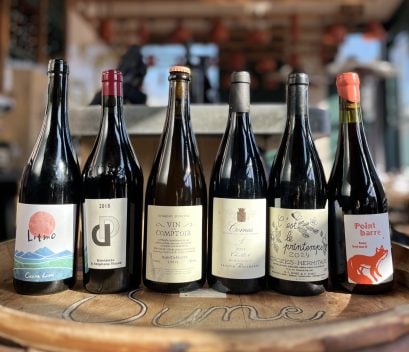
Some of Sune's wine selection.
Although the list at Sune is very much about organic and biodynamic producers, and I have a preference for wines fermented with their natural yeasts, half of the list is very straight while the other half is more experimental. Our team knows how to read each guest and intuitively recommend the right style of wine.
What about the no- and low-alcohol category? Does that have a place in top London restaurants?
Absolutely. Our go-to is Muri, a Copenhagen-based project. They’re super geeky. They aimed to produce non-alcoholic whites, reds, rosé and skin contact, but they don’t taste anything like wine, but what they ended up creating tastes much more interesting. That project is fascinating, but there is still a way to go. There’s also the kombucha industry too. You have to cherry pick the best from the non-alcoholic category. Some winemakers have realised that there’s gaps in the market for this. It’s a good reaction to how the market is changing. I’d also be interested to see winemakers look into the CBD beverage category.
Plenty of people think that with the current shift in consumer habits, wine is at risk of losing its place on the dining table...
What we are seeing is the slow erosion of centuries of wine culture and ritual. We need to pass on that enjoyment. Wine is not just any other beverage. There is nothing quite like opening a bottle of wine, enjoying it with a meal in a moment of togetherness.
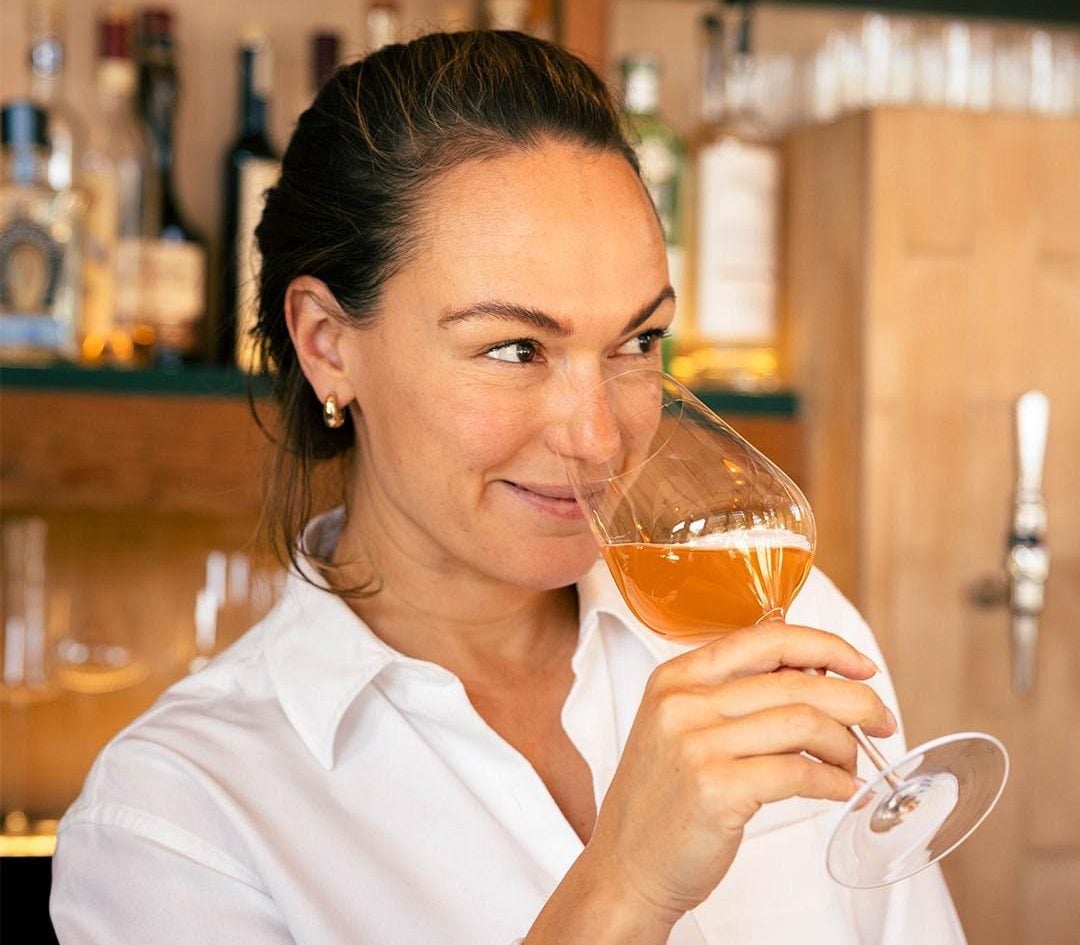 'It’s not about pushing your own agenda and your own taste'
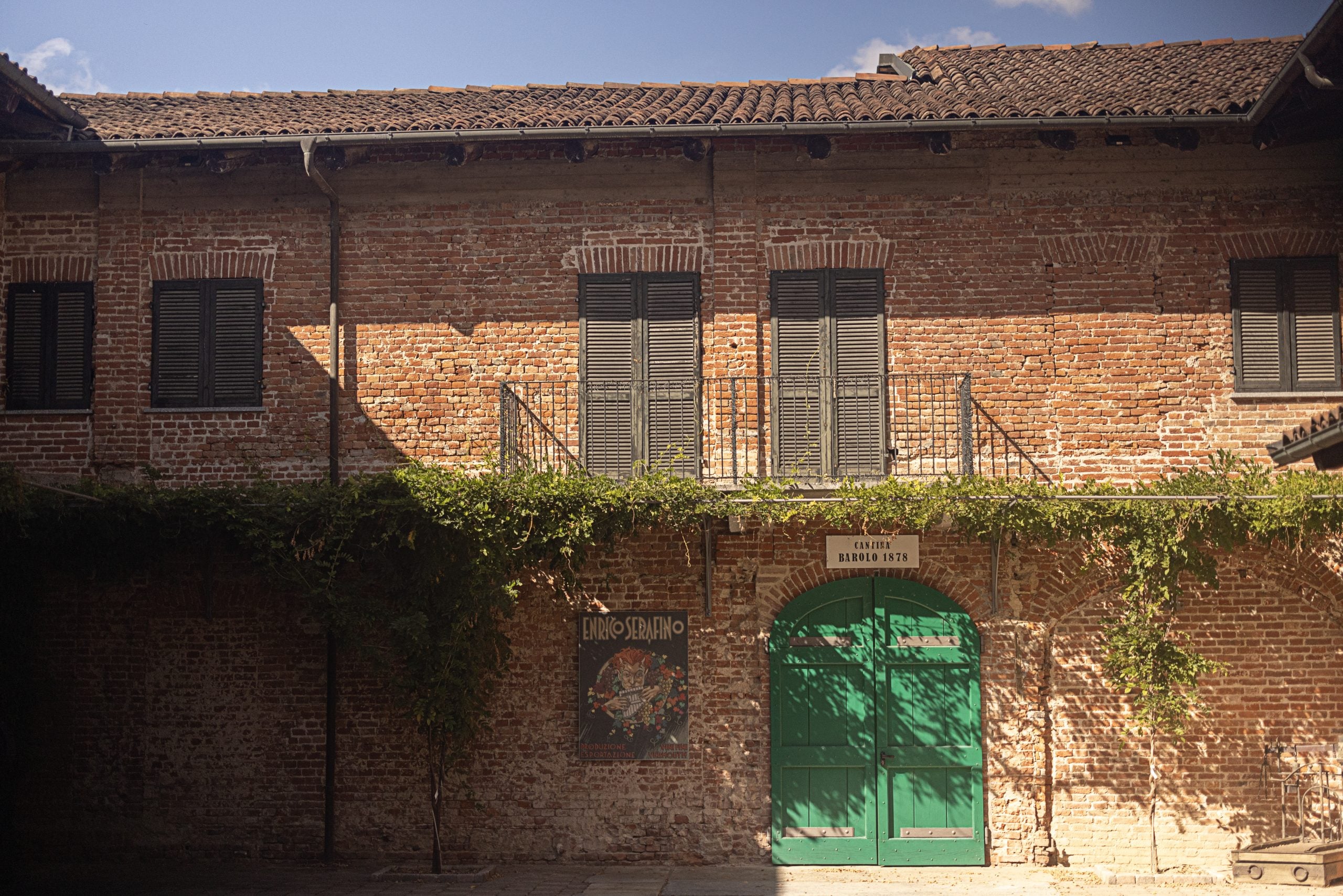 Certification, sustainability and sparkling wine: Enrico Serafino's story
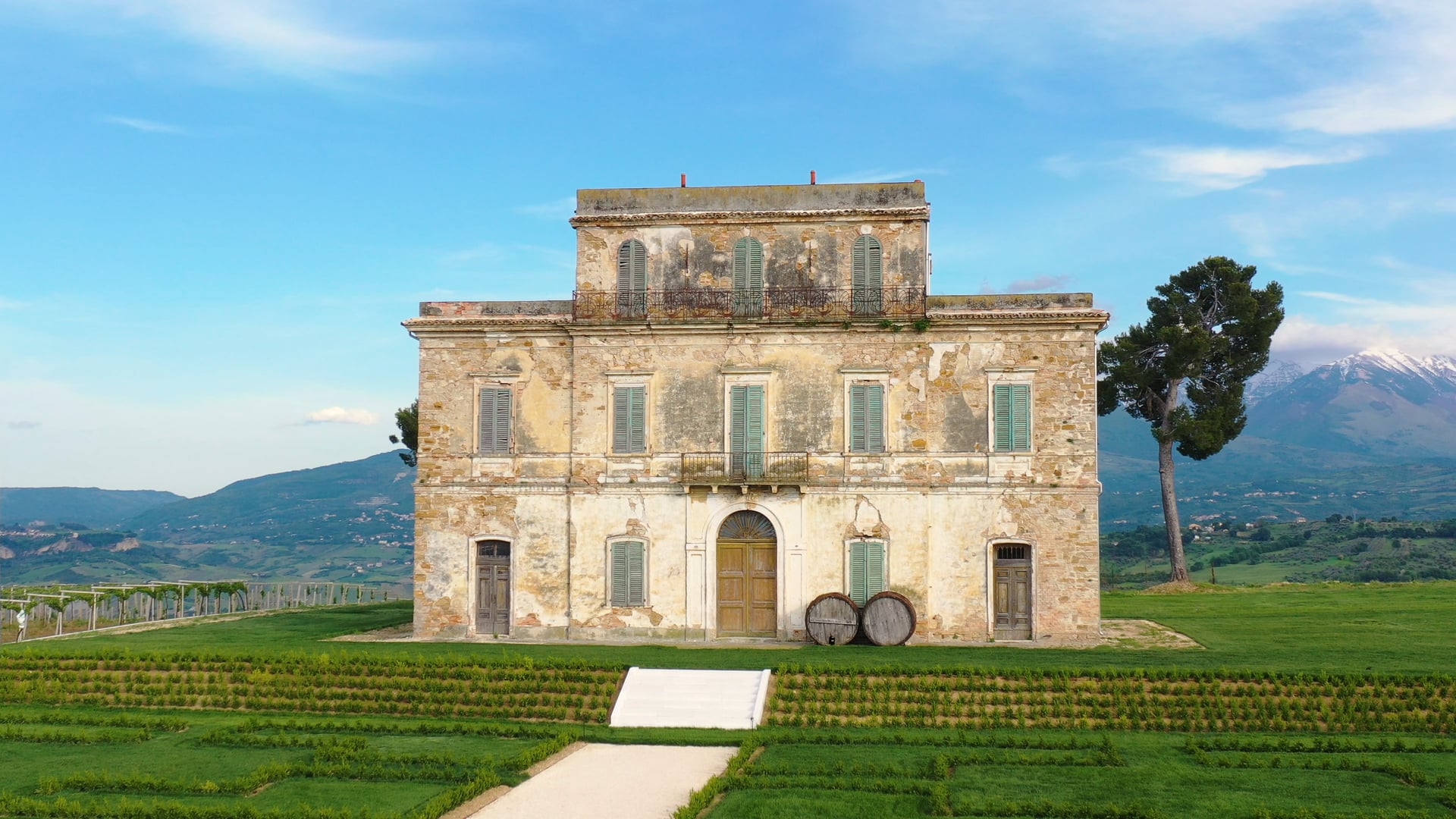 'Old vines are a fundamental part of the identity of this wine'
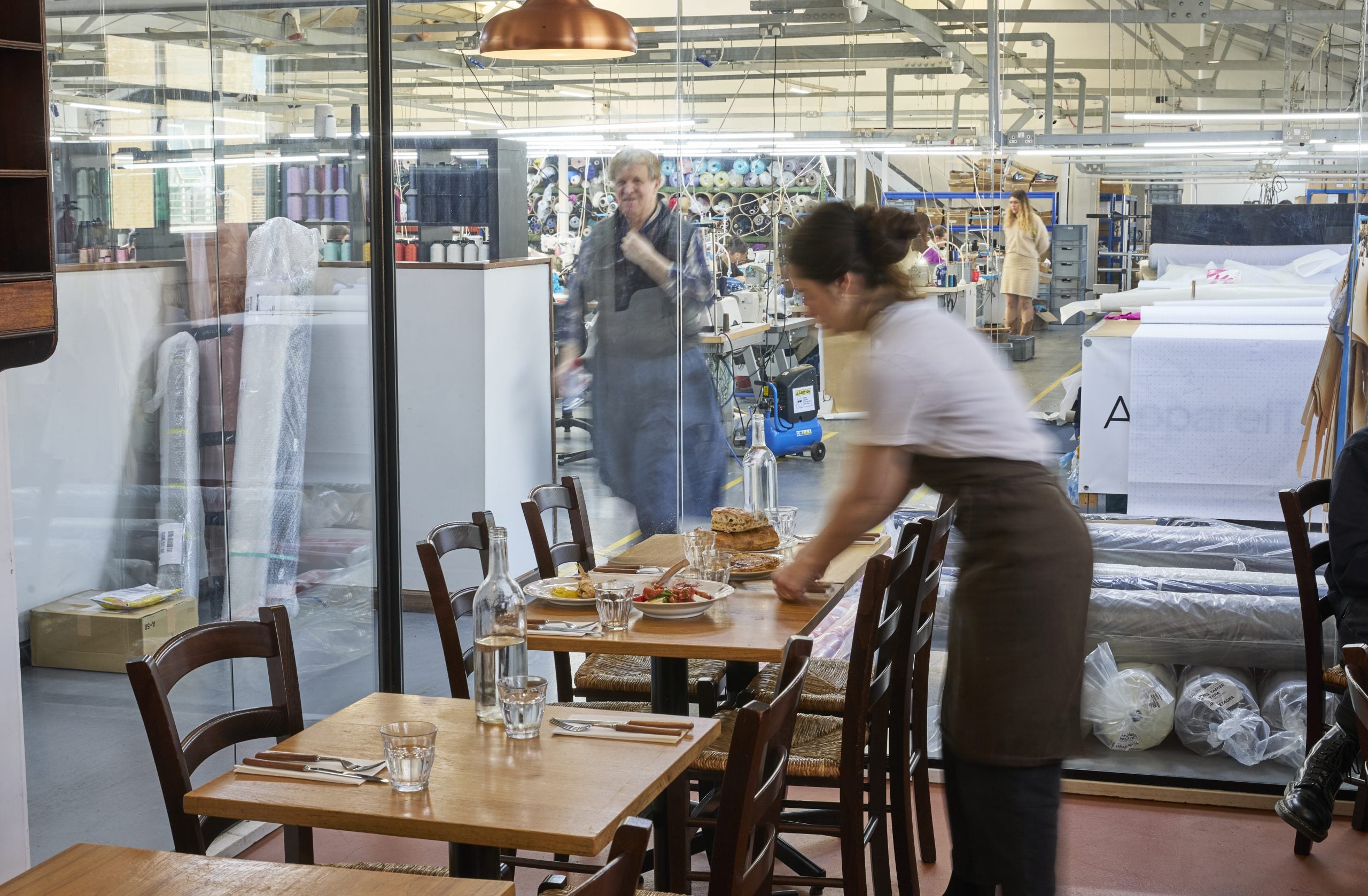 The Italian restaurant inside a clothing factory in London
 Equalitas, exports and breaking the rules – why Casale del Giglio works