"In Agro Pontino, we didn't have a legacy to follow, which turned out to be our greatest strength. It allowed us to be pioneers, establishing our own path without being tied down by 'how things have always been done'. Of course, creating a new tradition takes time and patience," says Linda Siddera of the Casale del Giglio export office. "We owe much of our success to our winemaker, Paolo Tiefenthaler; he joined us 40 years ago and immediately fell in love with the vision. He has a unique ability to read this complex terroir, transforming its inherent difficulties into the very characteristics that make our wines stand out today."
Situated in Lazio, Casale del Giglio was founded in 1967 by Dr Berardino Santarelli, who hailed from Amatrice. Today, Santarelli's son, Antonio, is at the helm, working closely with Tiefenthaler.
While strict production regulations are present in some of Italy's most-revered wine regions, Langhe and Chianti Classico, for example, the lack of a winemaking tradition in Agro Pontino has given Santarelli and Tiefenthaler a great deal of liberty.
"This freedom allowed us to approach winemaking with a pioneering spirit, especially during the 1980s when many international varieties were still virtually unknown in Italy," notes Siddera. "Without the constraints of rigid traditional regulations, we were able to conduct extensive research and experiment with unconventional blends. This creative latitude led to the birth of wines like Satrico (a unique combination of Chardonnay, Sauvignon, and Trebbiano) and our flagship Mater Matuta (Syrah and Petit Verdot). These labels, which have now become icons for Casale del Giglio, are the direct result of having the flexibility to let the land – rather than a strict rulebook – dictate what grows best."
Sustainability
One area where Casale del Giglio is ahead of the curve is sustainability. In 2024, the winery obtained Equalitas certification.
"We pursued the Equalitas certification because we believe in sustainability as a 360-degree commitment – environmental, social, and economic. In fact, we had been implementing sustainable agronomic practices long before seeking official recognition," Siddera explains.
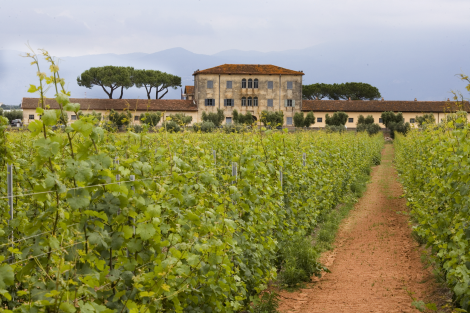
Among the myriad of sustainable vineyard practices adopted by Casale del Giglio was using pheromones to cause mating disruption/sexual confusion among insect pests, reducing the need for artificial pesticides. In the winery there is an emphasis on reusing or recycling what might otherwise become waste, with the pomace from winemaking going towards grappa production. Employees' families are also given support, and the local community gets involved with the winery through public tastings and other initiatives.
"For us, Equalitas isn't just a logo for the label; it’s our way of life," says Siddera. "Consequently, achieving it was a natural transition – we simply had to formalise and organise the sustainable framework we already had in place."
Exports
Lazio is also beginning to the receive the attention it deserves as a wine region, with producers like Casale del Giglio at the forefront.
"Historically, Lazio lagged behind other Italian regions because the focus was often on mass production and bulk wine rather than high-quality bottling. However, the tide has turned. Today, producers from the north to the south of the region are reclaiming native varieties like Bellone and Cesanese, crafting wines with incredible expressive power. At Casale del Giglio, we actively promote this new era by engaging with international critics and participating in global tours, such as those organised by Gambero Rosso," says Siddera.
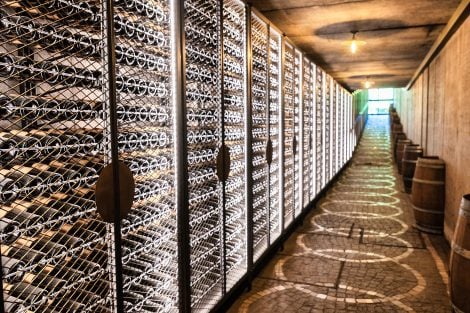
The winery exports to a number of major markets, including the US, Canada, Japan, China and, of course, across Europe. Elise Rialland, also of the export office, explains: "The global difficulties known to our sector (economic crisis, tariffs, wars and changes of consumers’ habits) have forced us to adapt, to renew and to think differently. Casale del Giglio is present in 38 countries worldwide and the first objective is for sure to maintain and consolidate the results achieved with our existing partners. The second objective is obviously to develop some more challenging markets for Casale del Giglio: countries in which we are already present but where the potential of the market doesn’t always correspond to our actual position and where we know that there’s an important growth potential for our wines."
"Finally," she adds, "we need to enlarge the borders and penetrate emerging countries where the interest for Italian wines is growing and where we need to become an active partner of the wine offer that is being made to those new consumers."
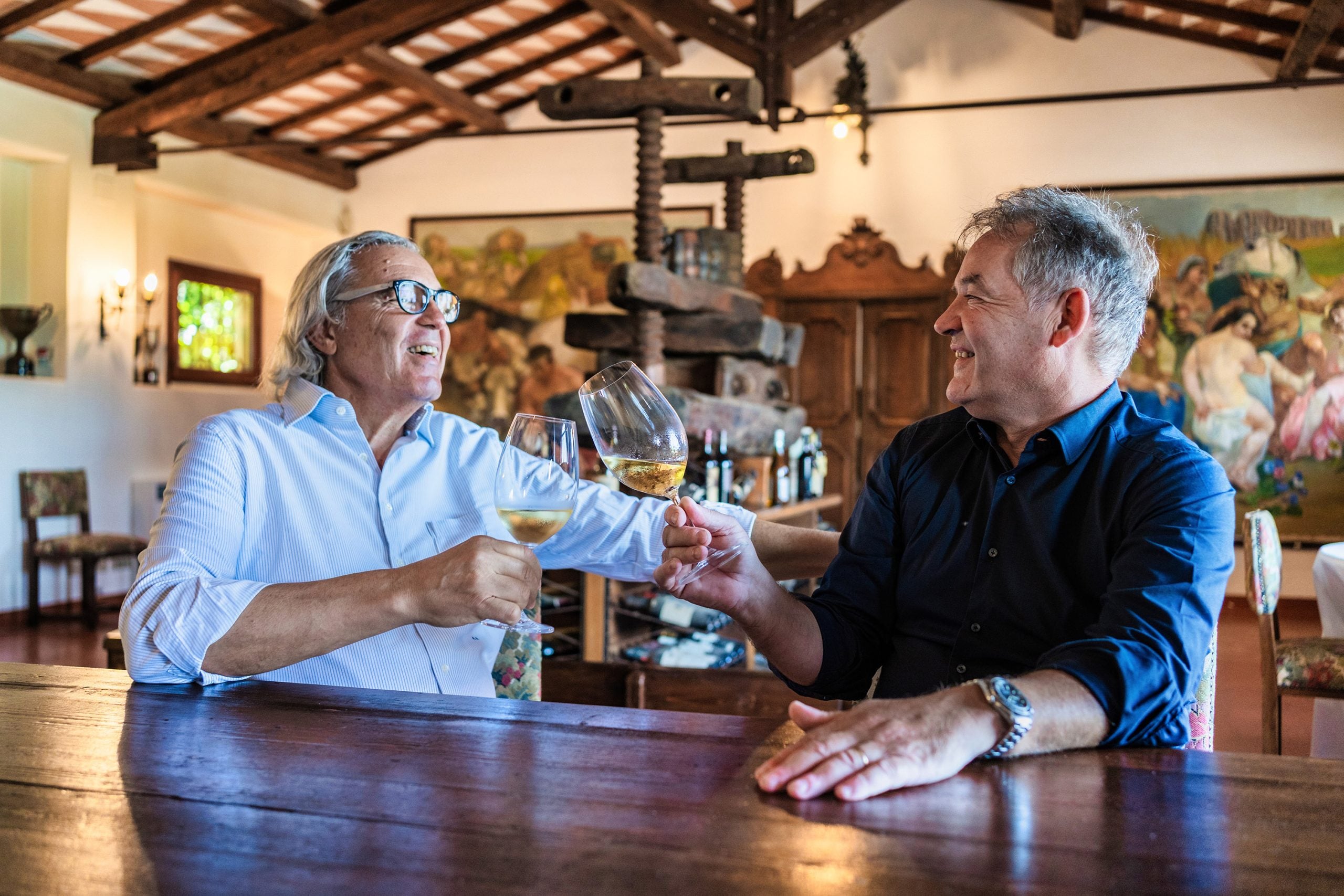 Equalitas, exports and breaking the rules – why Casale del Giglio works
 'You have to let British people fall in love with Italy'
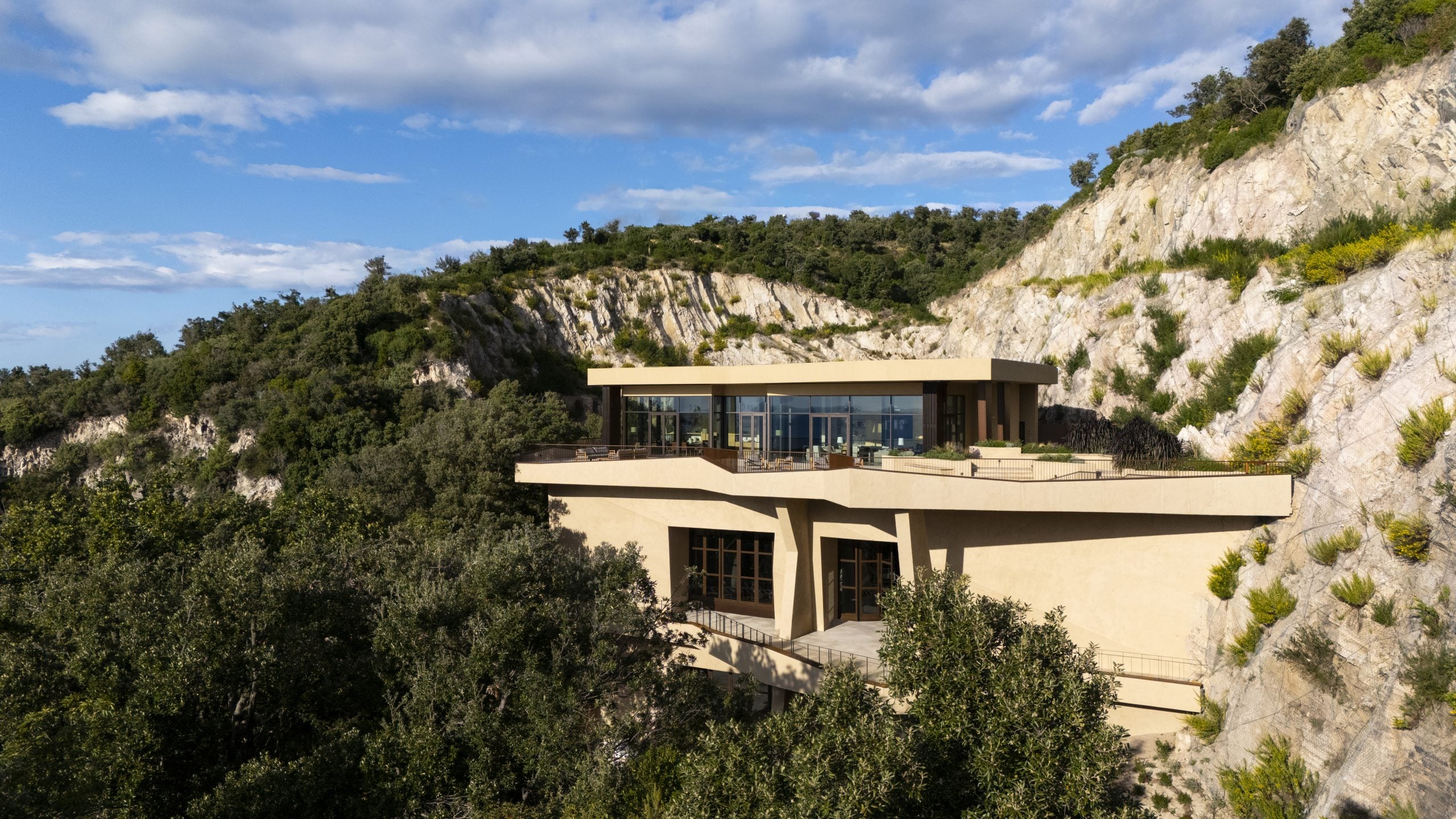 Why ABFV Italy chose a quarry for its new Bolgheri winery
 Casa Vinicola Coppi pays tribute to its founder with forgotten grape variety
 How ultraviolet rays can improve wine