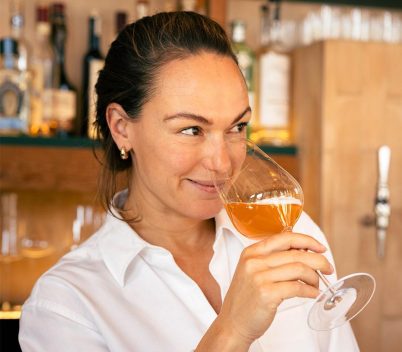
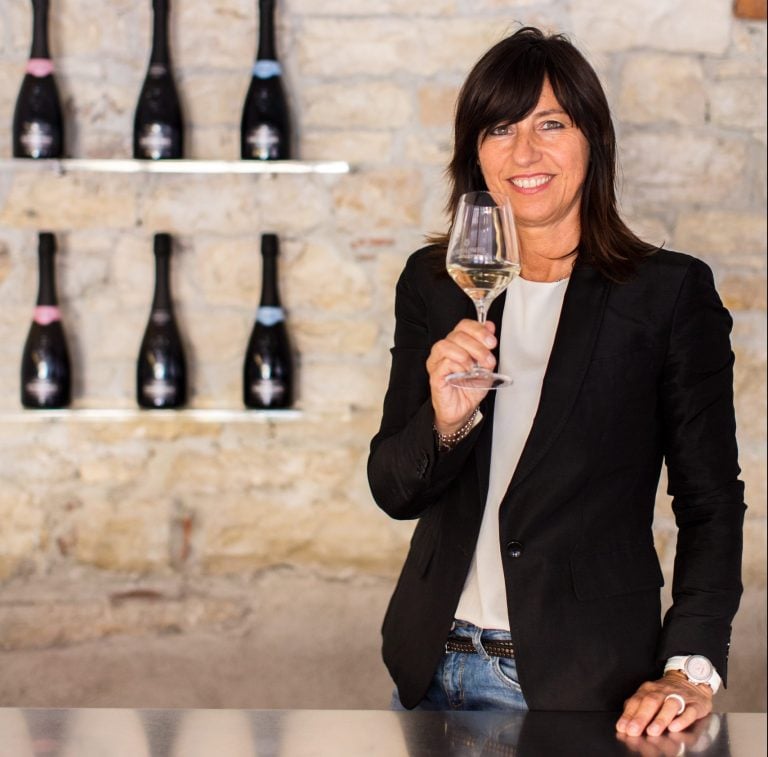
"Having an all-female leadership definitely gives us a different perspective on a lot of things – companies with women on the board tend to perform better, and in Bortolomiol's case, we’ve also achieved more market stability and greater recognition of the brand," says Elvira Bortolomiol, vice-president and CEO of the estate she runs alongside her sisters Maria Elena, Luisa and Giuliana.
Valdobbiadene, where the Bortolomiol family has cultivated grapes since the 18th century, is a region of Italy that is experiencing severe challenges each growing season.
"Climate change is an undeniable reality, and vineyard cultivation is a sector that has faced significant climate-related challenges in recent years," says Bortolomiol. "The situation has become extremely difficult due to the intensification of extreme weather events. From droughts to torrential rains, often accompanied by destructive hail, winegrowers have to deal with a series of threats that jeopardise potential harvests."
This may be a global phenomenon, but Bortolomiol is playing its part in trying to cut emissions.
"Studying our carbon footprint helped us understand how much CO2 we emit to produce a bottle of Ius Naturae Biologico and Grande Cuvée del Fondatore. The analysis, which looked at the entire production cycle, showed a significant CO2 saving of about 30% compared to the European average. Because of this, we decided to further offset these emissions with 3 hectares of forest owned by the family on Monte Cesen, just behind Valdobbiadene."
Bortolomiol argues that these supply chain decisions are indicative of the company "taking a more global view" of things.
Social responsibility
As attentive as it is to these environmental challenges of the 21st century, for Bortolomiol, the human side of sustainability is equally critical, both within its home territory of Valdobbiadene, and far beyond it.
According to Elvira, this is a case of carrying the torch passed to her and her sisters by their father, who founded the company in 1949: "Giuliano Bortolomiol himself had devoted all his energy not only to growing his company, but also to developing the entire territory, not only by promoting the most important associations such as the Consorzio and the Brotherhood, but also by making his technology available to all the producers of Valdobbiadene and, above all, by raising the quality profile of the wine, being the first to produce the brut style of Prosecco."
"We daughters carry on this DNA through collaboration with our winemakers and through the Parco della Filandetta, a centre of culture, art, and training, that is available to the entire community," she adds.
The Bortolomiol family renovated a historic silk mill within the Parco della Filandetta, converting it into the Art & Wine Farm.
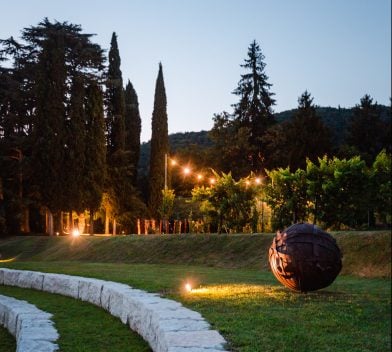
Parco della Filandetta
"It is a source of inspiration and an invaluable contribution to the local community, offering a place of inspiration where history, art, and nature merge. Inside the Parco della Filandetta, there are initiatives that not only promote wine culture, opening the cellar doors to visitors, but also involve the entire local community in enhancing our heritage, strengthening the connection with the traditions and history of the area," says Bortolomiol.
Approximately 90% of the company's employees are locals – a figure which Bortolomiol argues "represents tangible evidence of its commitment to keeping its excellence in the region and to enhancing the skills of highly qualified staff, capable of sharing Bortolomiol's values".
"Employees have an average age between 30 and 50, and 50% of the workforce consists of female collaborators. Bortolomiol is committed to providing all employees and its partners with a healthy and stimulating work environment, free from any discrimination," she further explains.
At an international level, the company is involved in a number of philanthropic projects, especially in Africa, including Wine for Life, which is an initiative from the Comunitá di Sant'Egidio where participating wineries sell special bottles to raise funds to support the treatment and prevention of HIV/AIDS.
"Meanwhile, in Benin, we were involved in a project with 60 women aimed at activating small local economies that could become the first source of independence for these families through supply chain control, somewhat like what happens today in our area, making them self-sufficient within their community," Bortolomiol explains.
All of these initiatives are part of the company's broader philosophy, one based on improving things to ensure future prosperity for the business, for those who depend upon it for their livelihoods, for the local area and even those who are not local at all.
"For us, the word 'sustainability' is not an abstract term; sustainability means greater control and protection of the land. These values were already upheld by the winemakers of the past, who were committed to preserving the natural state of our hills by practicing environmentally-conscious viticulture, which has allowed us to achieve the UNESCO recognition today. Sustainability for us means three fundamental things: protection, balance, and social responsibility," she concludes.
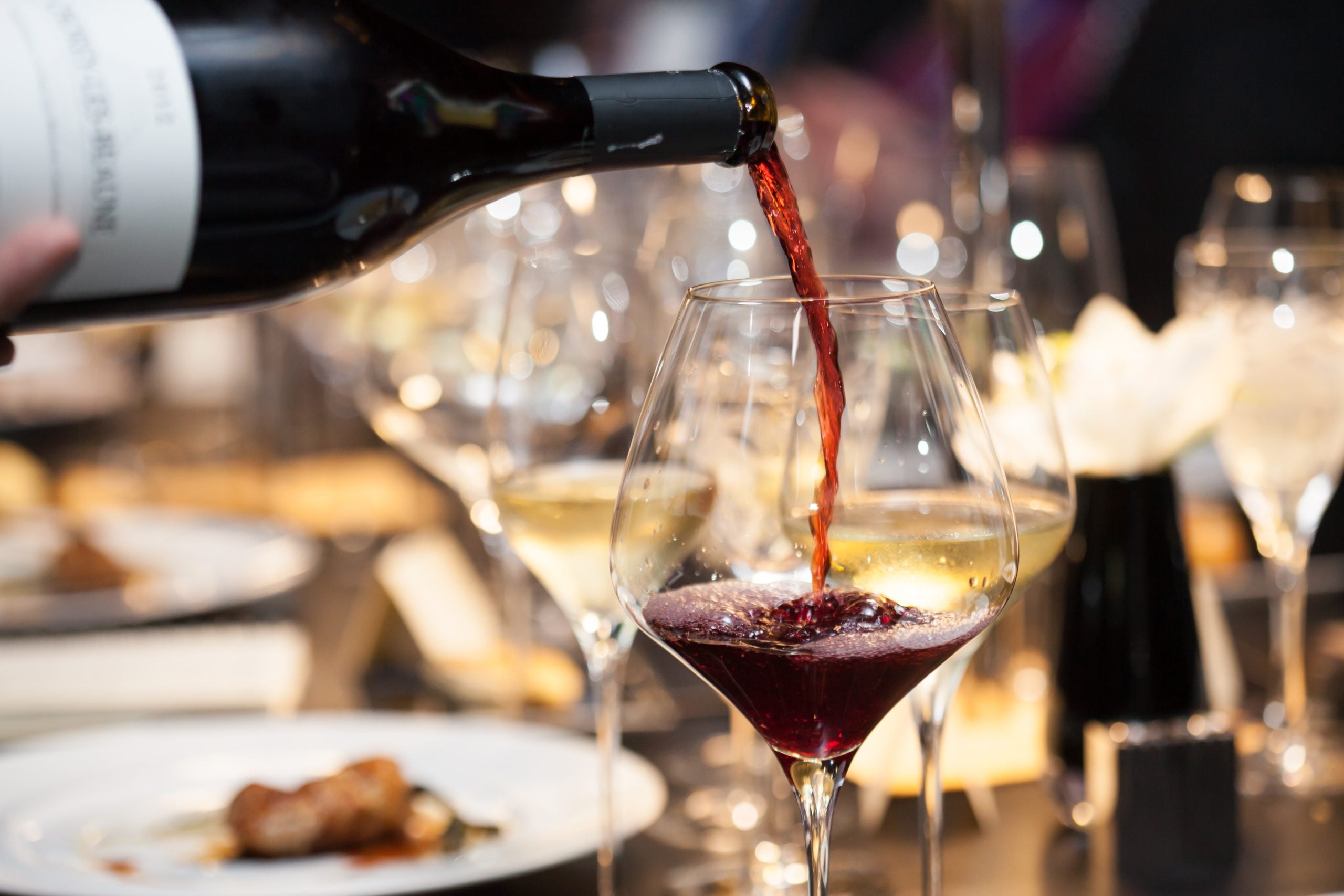 Wine is changing its place at the table
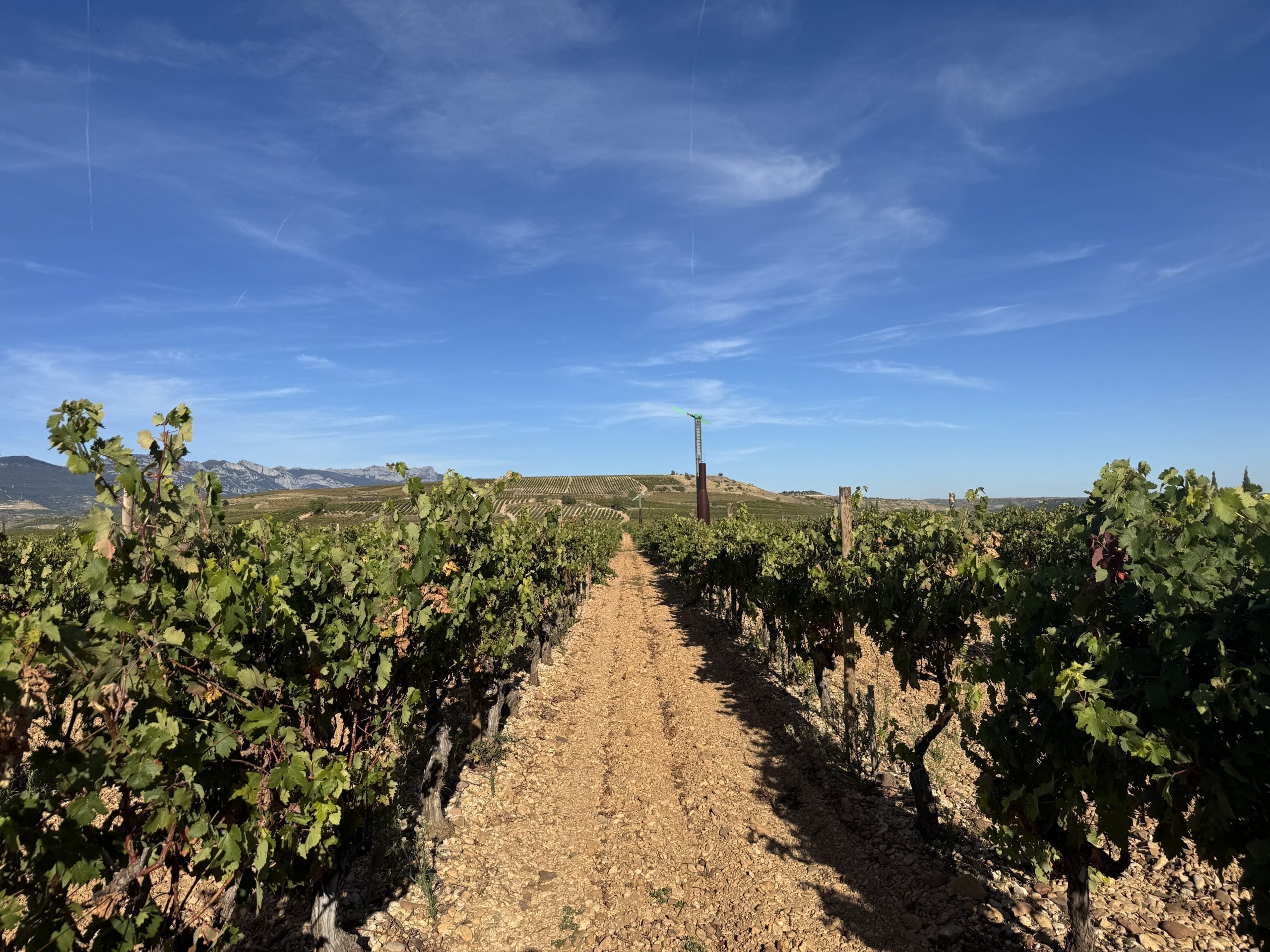 The Rioja you don’t expect: whites that keep pace with the reds
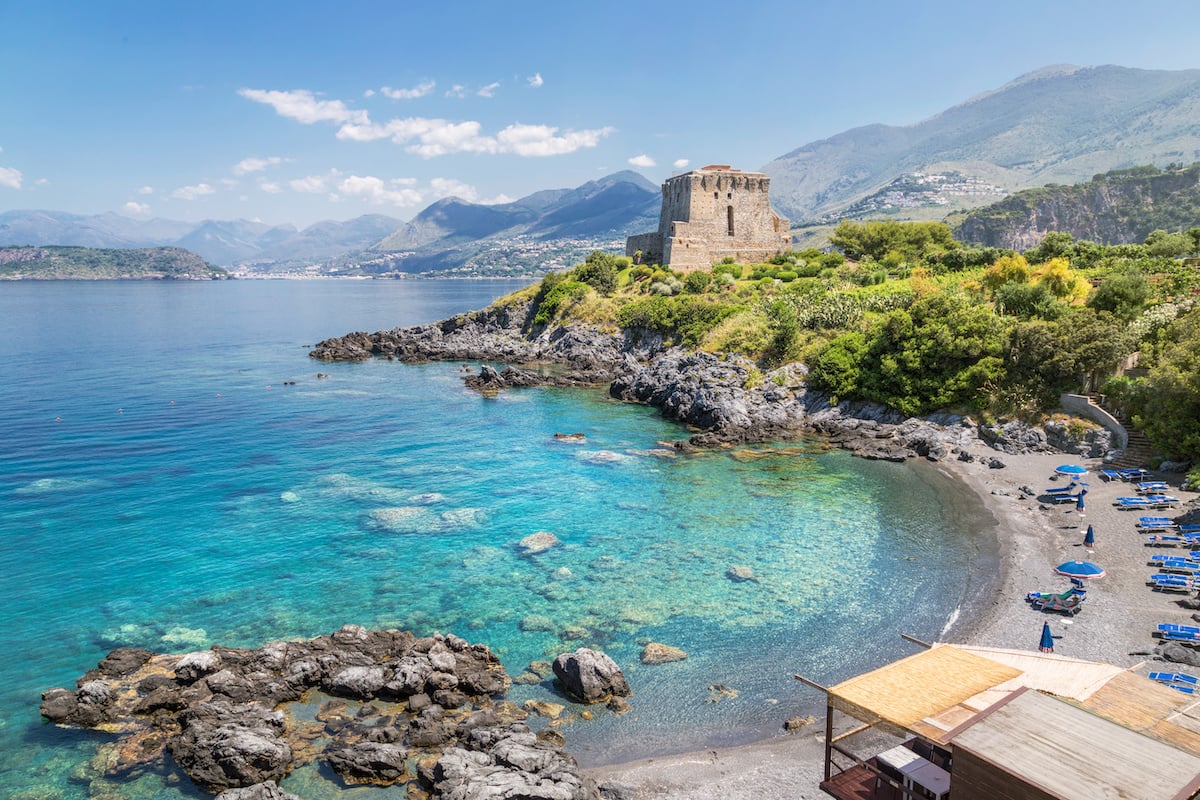 The soul of Maratea amid crystal clear sea, monuments and breathtaking views
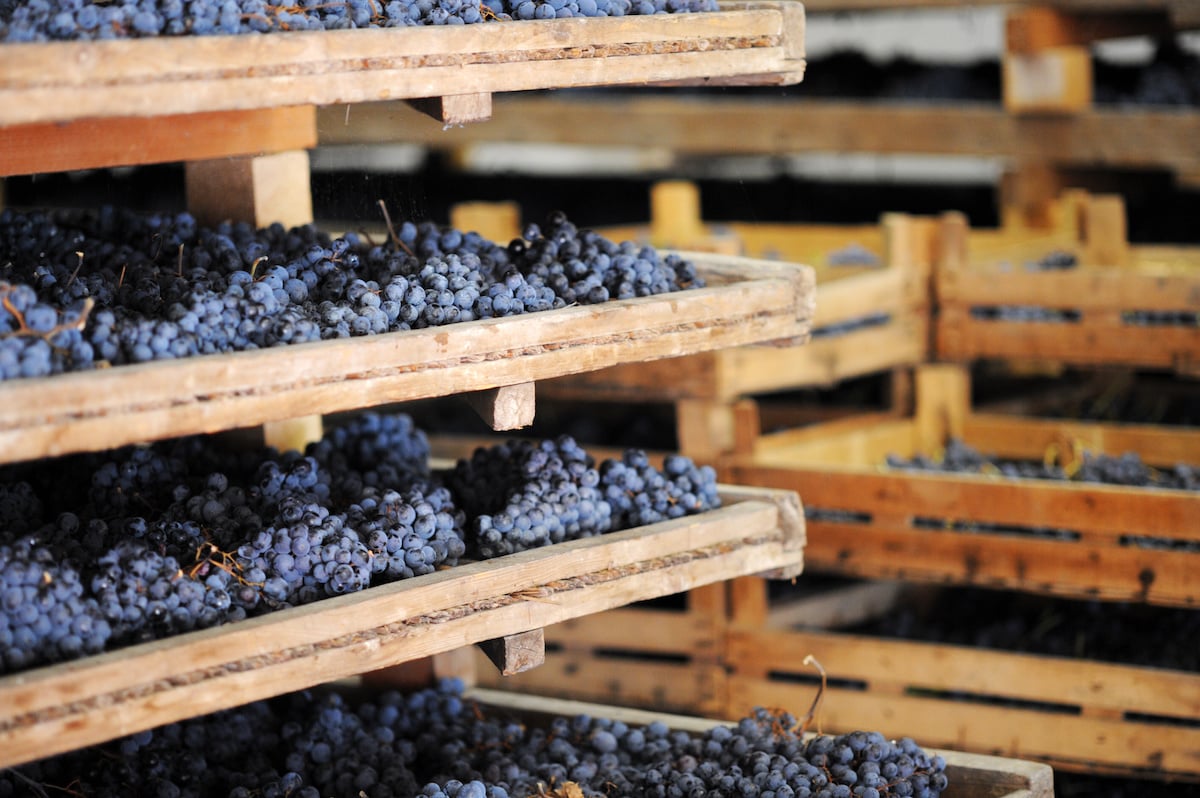 How Amarone changes its skin
 From the distillery to the global market: the numbers and identity of an Italian brand