"We're very new – we were only founded in 2015," shares Luca Vitiello, Bertinga's marketing and sales director.
This relative youth in a wine region dominated by ancient names has not held Bertinga back. Indeed, the producer is among those to feature in Gambero Rosso's Top Italian Wines Roadshow which tours the globe every year, a mark of what it has achieved in a matter of years.
"Our approach from the beginning in 2015 was organic and in 2018 we started the paperwork to officially be recognised as organic. In Italy you need to have three years of organic viticulture before you can obtain the certification, which we have for both the vineyards and the cellar – you need to start in the vineyard and then obtain the certification for the winery," remarks production director Elisa Ascani. "It's a long process!"
The Bertinga approach
Bertinga's philosophy is to treat each tile in its mosaic of vineyards in a particular manner.
"For us, the most important thing was to use different methods for each plot," says Ascani. "For example, if one needs us to work the soil, we work the soil. If another doesn't, we don't. Our approach differs from parcel to parcel, so there is not a single method within the organic approach."
"We have 24 hectares of vineyard now, but each parcel has a different story, and we adjust our methods every season, based on the reply we get from each plot," she continues. "It is a daily dialogue with the soil and with the plants in each parcel, across every parcel."
That 'dialogue' is vitally important because in a changing climate, conditions can vary dramatically from day-to-day.
"It's not easy to practice organic viticulture in Chianti because there can be very sudden changes in the weather, from high temperatures to rainfall. Our goal is to try and understand the plants and what they need. We have to always be on our phones to check the weather forecast! You adjust how you operate," says Ascani.
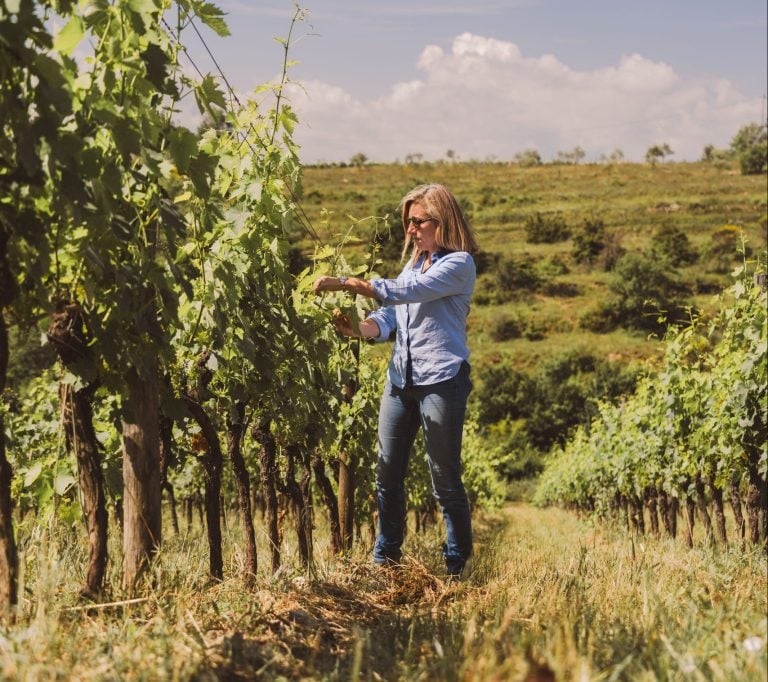
"If you are in a period of drought, you try not to work the soil or prune the leaves to leave the grapes shaded," she explains. "It's a daily observation, it's really important to walk in the vineyard everyday and see with your eyes what is happening. If you want to be organic, you need to go into the vineyard and decide step-by-step. Every season is more complicated because the climate is so unpredictable, it needs daily checks."
Bertinga has three vineyards: the eponymous Bertinga, Vertine and Adine.
Despite the challenges that recent growing seasons have thrown at the Bertinga team, harvest 2025 was a rewarding one.
"Bud break was quite early, in mid-April rather than late-April early-May. Then we had months of rain, and then the rain stopped and by the end of June it reached 40 degrees," Ascani shares. "July was fresh with a good temperature, so our expectations for the grapes finally changed!"
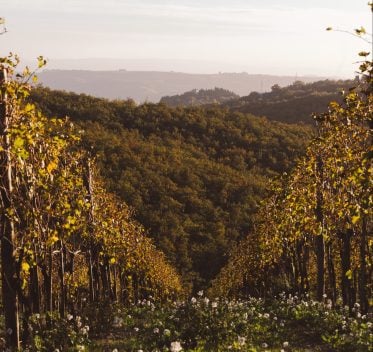
"We had a very good week before the harvest, low temperatures in the night and good temperatures in the day, which was perfect ripening and gave us very good grapes. We finished the harvest on 10 October – our goal for Sangiovese with good maturity is to start at the end of September and finish in mid-October," she adds.
As well as Sangiovese, a variety synonymous with this part of the world, Bertinga also cultivates Merlot.
What it means for business
Organic viticulture is certainly not easy, and from a purely financial perspective, it can seem like a great cost. However, Vitiello argues that it requires rethinking approaches to the business of wine.
"Being organic means that you embrace a very respectful attitude towards viticulture and accepting the eventual losses, because there is a significant difference in yields from one year to another, so you have to accept that someone wines might not be made at all in certain vintages," he says. "That brings an extra challenge and an extra cost for the winery business. It's a big price to pay, but we believe that it's totally worth it in order to preserve the environment and to be able to pass it on to the next generations because we respected it now. Selfishly, it's also actually good for the business as you will be able to make great wines in the future!"
 Wine is changing its place at the table
 The Rioja you don’t expect: whites that keep pace with the reds
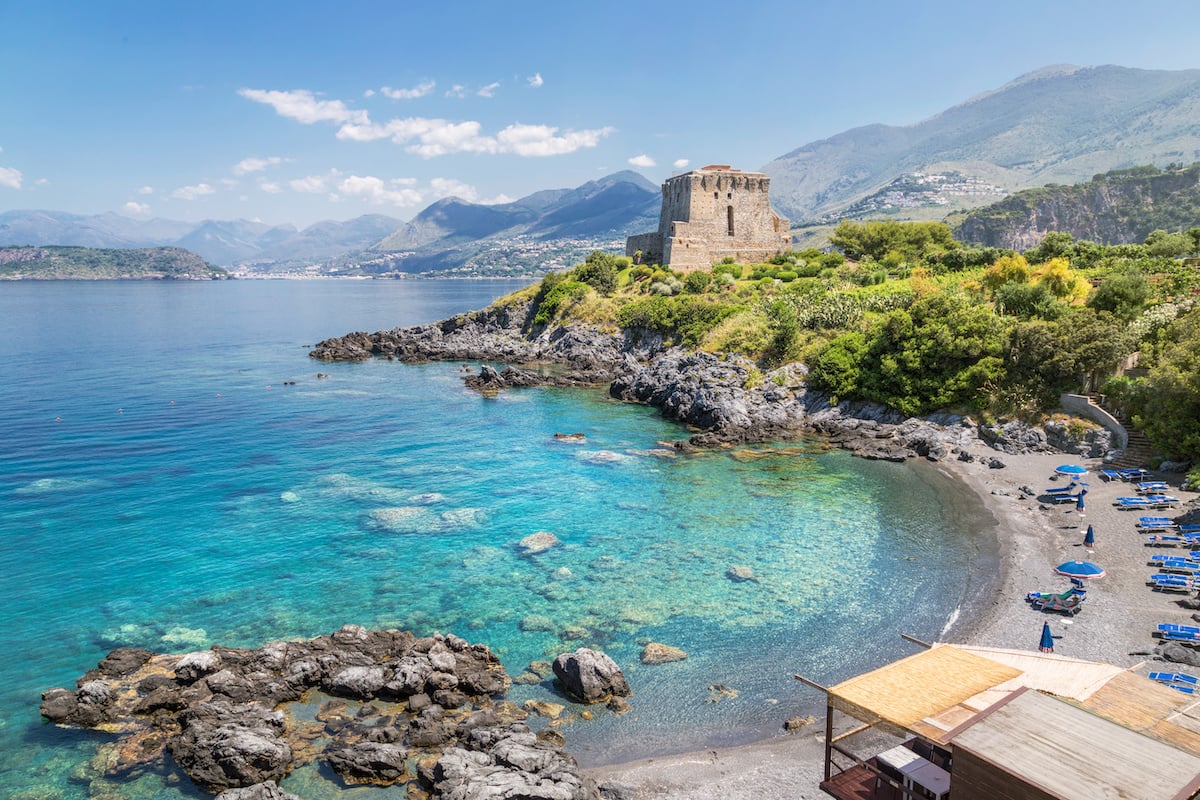 The soul of Maratea amid crystal clear sea, monuments and breathtaking views
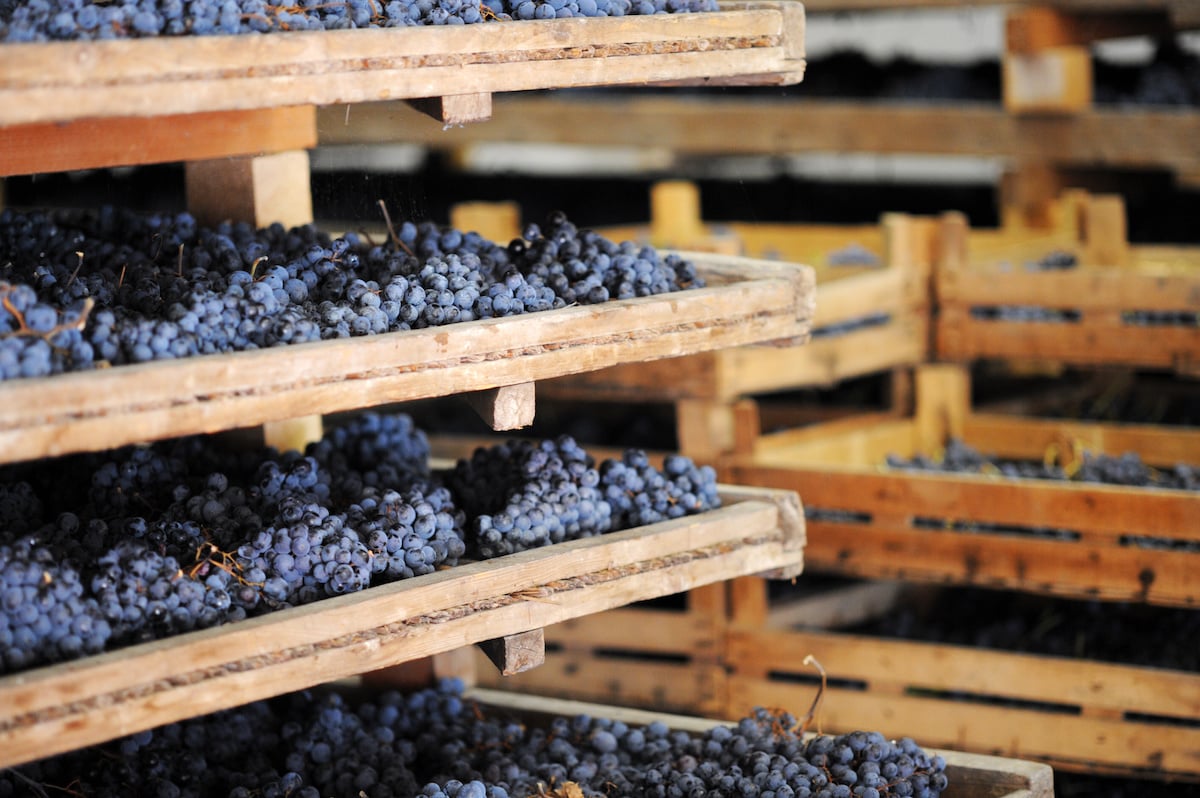 How Amarone changes its skin
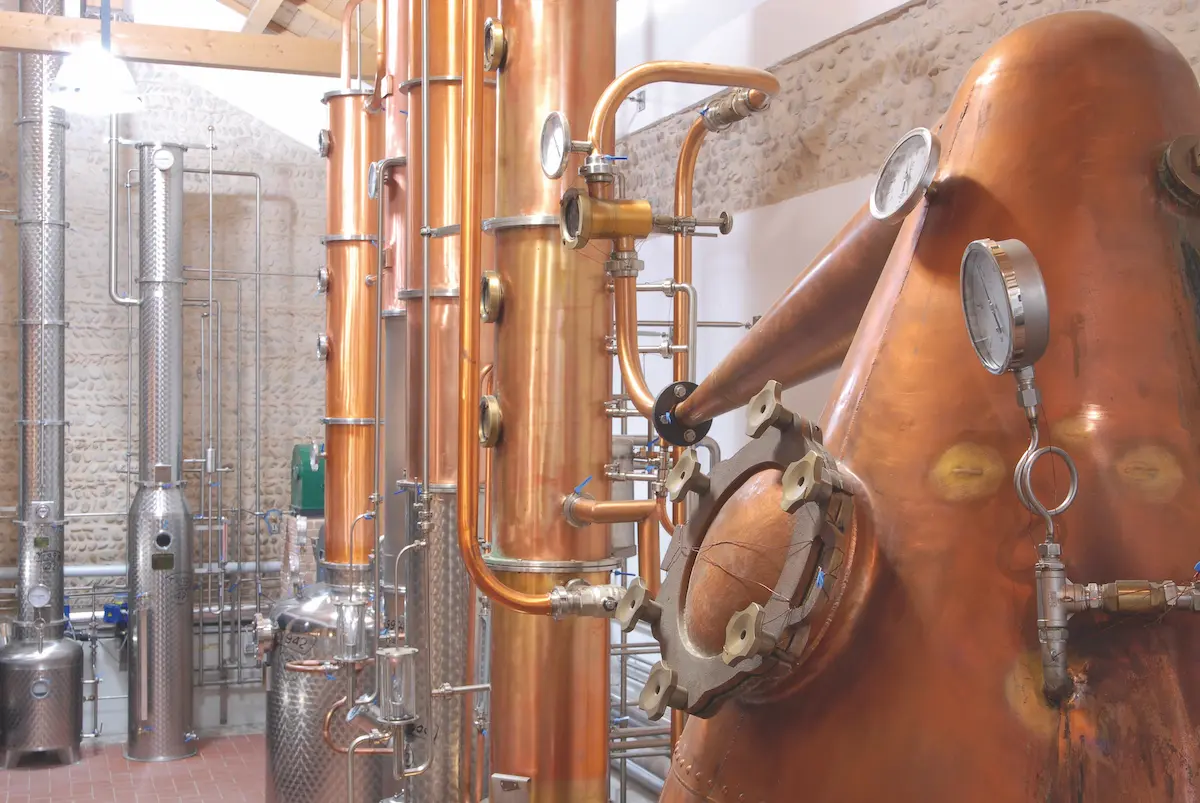 From the distillery to the global market: the numbers and identity of an Italian brand